
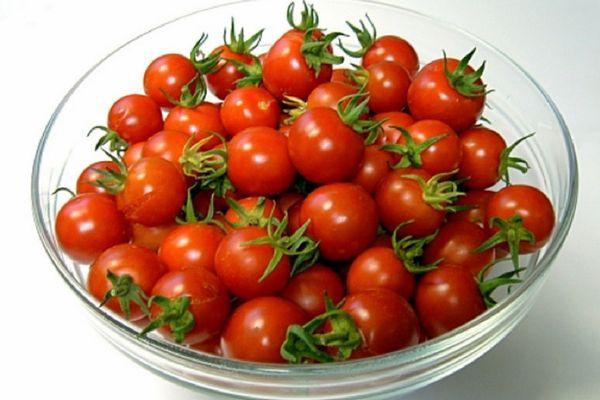
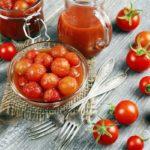
The Red Cherry cluster tomato is distinguished by its long fruiting period and decorative bush appearance. Ripe tomatoes are eaten fresh. Despite their high sugar content, tomatoes are included in the diet when following a diet.
Benefits of Tomatoes
The Red Cherry tomato is suitable for both indoor and outdoor cultivation. The variety description indicates the plant's requirements for warmth and light. Fruit ripened in open ground with full sun exposure are healthier and have a richer flavor.
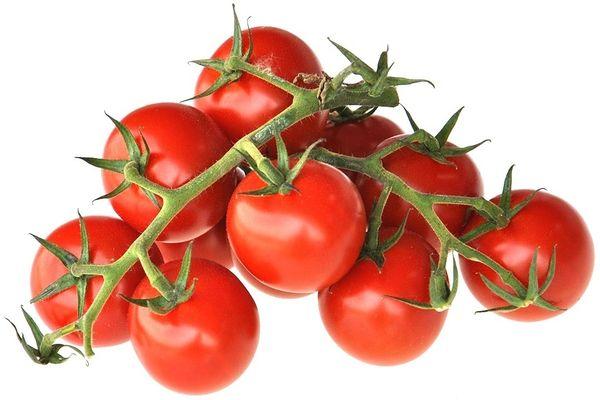
This early-ripening variety has a growing season from germination to ripening of 105-115 days. The indeterminate bush produces clusters of juicy, sweet, round tomatoes.
A branched vine produces 30-40 fruits. They turn red when ripe. The tomatoes are 2-3 cm in diameter and weigh 10-40 g. They have juicy, sweet flesh with a distinct aroma.
The fruits are used fresh, for canning, and as a garnish for various dishes. Red cherry tomatoes are resistant to late blight. To increase yield, it is recommended to train the tomatoes into a single trunk, removing excess shoots.
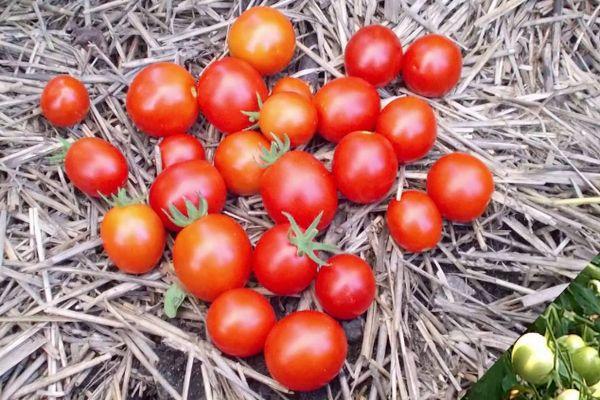
When planting outdoors, consider the Red Cherry variety's long fruiting period. The tomato continues to bear fruit until temperatures drop to 8–10°C.
Growing cherry tomatoes
Tomatoes are grown using seedlings or directly sown into the ground in a permanent location. Using seedlings has several advantages, including accelerating the early harvest.
This method of tomato cultivation allows for reduced seed consumption and efficient use of both open and closed ground. Seeds for seedlings are sown 50-60 days before planting the plants in their permanent location.
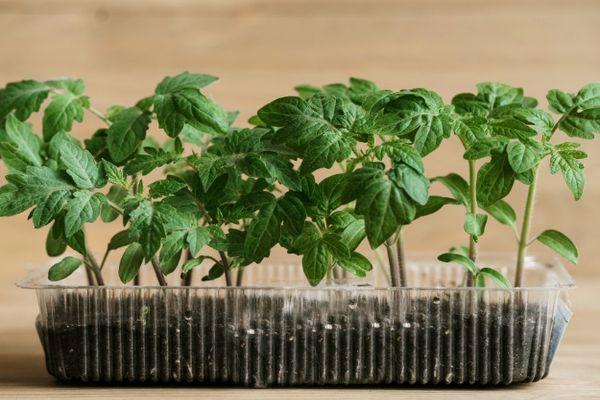
To do this, a drainage layer of charcoal or expanded clay is poured into special containers. For growing seedlings, it is recommended to use a prepared soil mixture or substrate.

After moistening the soil with warm, settled water, plant the seeds at a depth of 1 cm. Space the seeds 3-4 cm apart. Cover the container with glass.
To ensure uniform germination and healthy seedling development, it's important to maintain a consistent temperature and lighting regime between 22 and 25°C. After two true leaves have formed, transplant the plants into individual containers.
Cherry tomato varieties are planted in the ground when the first flower cluster appears. Plants are spaced 60-70 cm apart, taking into account the plant's characteristics. When the fifth cluster appears, begin removing the lower leaves, 2-3 per week.
After 8-10 fruit clusters have formed, the growing point of the plant is stopped, leaving two leaves above the last cluster. Tomato bushes require tying to a support or trellis. Staking the branches prevents damage to the bush and helps keep the fruit from touching the ground.
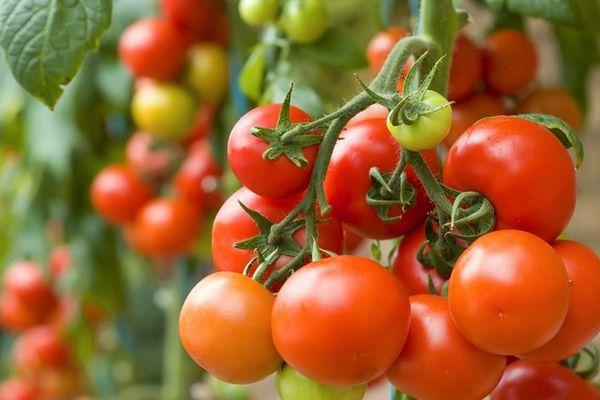
Tomatoes should be picked from the bush only when fully ripe. Half-ripe fruits lost their flavor when left off the bush. Watering is required daily. Adequate moisture promotes healthy skin.
Tomatoes can be susceptible to biological pests, which can be controlled using traditional methods and specialized products. Preventative and treatment measures include treating the beds before planting.
Growing tomatoes indoors
Growing cherry tomatoes in protected soil allows for early harvests, even during the winter. To achieve this, the greenhouse must be heated, humidity levels must be maintained, and sufficient lighting must be provided.
The seedlings are transferred to an unheated greenhouse in early March, taking into account the region's climate. The greenhouse must be well ventilated to prevent the crop from being affected by various diseases.
Plants are watered as the soil dries. To maintain soil moisture, mulch with straw, leaves, and sawdust. Drip irrigation is recommended for polycarbonate buildings.

Growing cherry tomatoes in heated greenhouses In winter time it can become a good business. Cluster tomatoes Small sizes are always in demand among gourmets.
Related posts:
 Growing cherry tomatoes in a greenhouse and open ground, when to plant seedlings
 Description of the best, sweetest, and most productive varieties of cherry tomatoes
 How to plant and grow cherry tomatoes from seeds on a windowsill at home in a pot
 8 recipes for quick-pickled cherry tomatoes with garlic and hot pepper, and storage instructions
 Delicious recipes for pickled cherry tomatoes for the winter, finger-licking good, with and without sterilization
 How to cook sun-dried sweet cherry tomatoes in the oven, microwave, and slow cooker
 Description of the exotic Black Cherry tomato variety and cultivation techniques
 How to prepare cherry tomatoes in their own juice for the winter using finger-licking recipes