
The Vernost F1 tomato is an early-ripening hybrid, featuring low-growing plants (determinate type) that stop growing. Many gardeners enjoy growing tomatoes and, naturally, have favorite varieties. Each variety has its own unique appearance, planting, watering, and harvesting requirements. Below is a description of the Vernost F1 tomato.
Description of Vernost F1 tomatoes
Characteristics of the variety:
- Tomato Vernost is distinguished by its excellent taste and high yield.
- On average, it takes 100-105 calendar days (approximately 3.5 months) from sowing to the first harvest.
- The bush grows up to 1.3 m in height, has powerful stems and a rhizome.
- The leaves are dark green, smooth on both sides. The flowers are white.
- The inflorescences can intertwine with each other, causing the fruits to grow in clusters, like grapes.
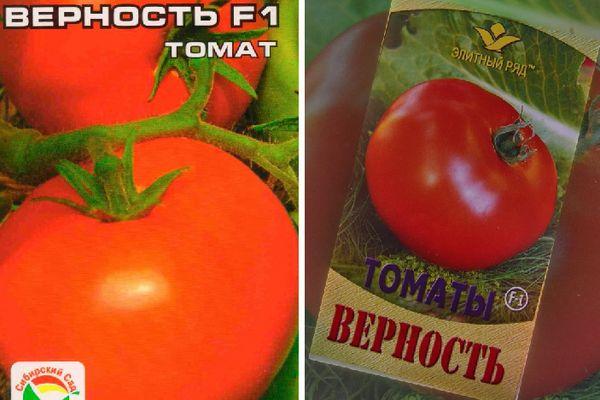
- The tomatoes are large, weighing about 200 g. The shape is round, with flattened “poles”.
- The tomato skin is dense and does not crack.
- The stalk lacks a green spot.
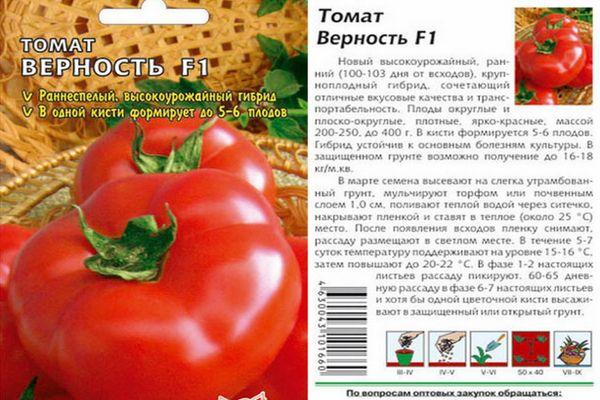
Tasters noted the fruit's slightly sweet flavor. The tomatoes have a fleshy texture, multiple chambers, and dense, juicy flesh. They are ideal for canning, tomato juice, and various salads and stews.
These tomatoes are also suitable for pickling, but due to their large size, they will have to be cut into slices.

The fruits rarely suffer from diseases such as fusarium and alternaria.
The seeds of the fruits are large and can be easily processed and used for further sowing.
How to grow Vernost tomatoes?
The Vernost tomato is intended for growing in the ground, but can also thrive in soil not recommended for gardening. This means it's not picky when it comes to soil selection.
Seedlings should be planted in March-April.
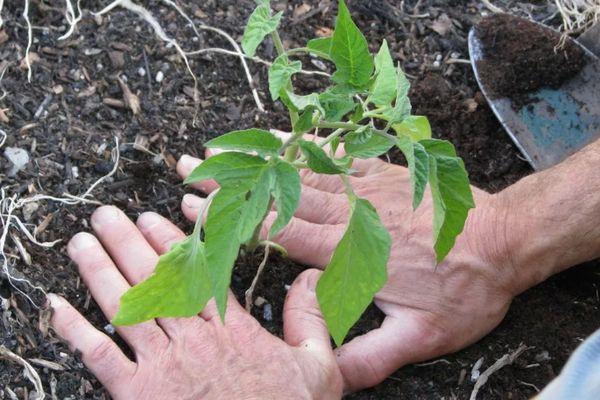
The bushes should be pruned after 1-2 true leaves appear. The yield of the variety described above is 17-19 kg per 1 m². This refers to harvesting tomatoes from the beginning to the end of the plant's growth period.
A week before planting, harden off the seedlings by moving them outdoors and leaving the room open. Planting should be done in the absence of any frost, as the plants are heat-loving. The soil should be slightly acidic or neutral.
It is better to plant according to a 40x70 cm pattern, with a distance of 40 cm between plants and 70 cm between rows of the bed.
After planting and until the first harvest, tomatoes should be fed with fertilizers containing nitrogen, phosphorus, and potassium. Fertilizing with sulfur-containing compounds, such as manure or compost, is also a good idea. It's best to add these to the hole immediately when planting the seedlings.
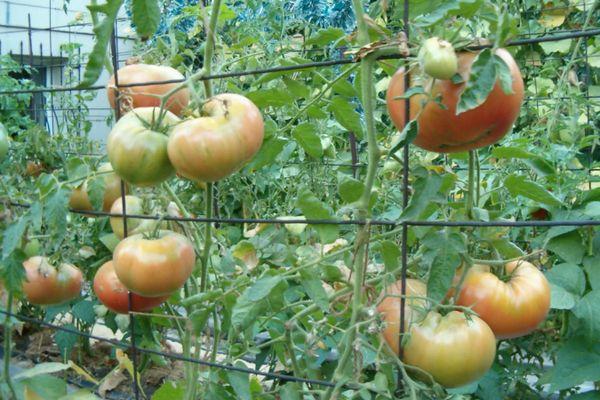
Before the fruit appears, weed the soil until it's loose. When the bushes reach a height of 30-50 cm, they need to be hilled to retain heat and increase the flow of nutrients to the roots.
Pull out weeds and water with warm water at room temperature.
In the future, each bush should be tied up, creating a support from a bar or stick.
Colorado potato beetles, especially their larvae, are a favorite snack on tomato leaves. These insects are typically poisoned. If an infestation occurs during the ripening season, spray the plants with caution, taking care not to let the poison come into contact with the tomatoes. The poison is harmful to the fruit and can also have a detrimental effect on human health.
Roots are susceptible to May bugs and various worms. Lizards are also considered pests. They are fond of eating the ripest tomatoes. Bitten tomatoes rot faster and spread the process to other tomatoes.
Photos and descriptions of this tomato variety can be found on gardening forums. Positive reviews typically praise the quantity and taste of the tomatoes. Negative reviews suggest that this variety is not ideal for pickling, as the fruits are rather large. However, these tomatoes make delicious juices, stews, salads, and lecho. Some gardeners still preserve Vernost tomatoes. It's worth noting that this plant is not particularly fussy about soil, but it is quite sensitive to outdoor conditions.

Related posts:
 Description of the best varieties of black tomatoes for open ground and greenhouses
 TOP 17 recipes for pickled sweet tomatoes for the winter
 Delicious recipes for canned tomatoes with honey for the winter, preparation steps
 15 simple recipes for pickling tomatoes in jars for the winter
 Recipes for amazing tomatoes in jelly for the winter, with and without sterilization, you'll lick your fingers
 How to grow cherry tomatoes on a balcony: suitable varieties and planting and care guidelines
 Step-by-step technology for growing tomatoes on the balcony, the best varieties with descriptions
 The best and most productive tomato varieties for greenhouse cultivation in the Urals, with descriptions