
- The history of Karaka Black breeding
- Advantages and disadvantages of the variety
- Description and characteristics
- Bush size
- Flowering and fruiting
- Scope of application of berries
- Immunity to diseases and pests
- Drought resistance and winter hardiness
- Specifics of planting crops
- Optimal timing
- Selecting a suitable site
- Preparing the planting hole and seedling
- Landing technology and scheme
- How to care for blackberries
- Regularity of watering
- Pruning and crown shaping
- Top dressing
- Irrigation, soil loosening
- Tying to supports
- Preparing a hybrid for winter
- Diseases and pests: treatment and protection
- Reproduction technique
- Reviews of the variety
One of the most promising varieties for growing at home is the Karaka Black blackberry, known for its high yield and early ripening. Blackberries are typically picked in the forest, but they can also be grown in your own garden. Their fruits are not only delicious but also known for their rich nutritional content.
The history of Karaka Black breeding
The variety in question is a complex hybrid. It was created in New Zealand in 1982 by a team of specialists led by Harvey Hall. To create this variety, the Aurora blackberry was crossed with the Kansas variety Comanche. This resulted in several hybrids.
The breeders selected the variety with the largest berries and the firmest flesh. They then continued testing their offspring. Ultimately, they developed a variety with berries that were easy to transport and produced fruit over a long period of time. This variety was named Karaka Black.
Advantages and disadvantages of the variety
The variety has certain advantages:
- Early ripening.
- Large size of berries.
- Excellent taste.
- Good transportability.
- Convenience in preparing for winter.
- Stable high yield.
It has some disadvantages:
- Presence of thorns.
- Poor ability to withstand cold.
- Low heat resistance.
- Vulnerability to pests and diseases.
Description and characteristics
This variety has important features, which are described below.
Bush size
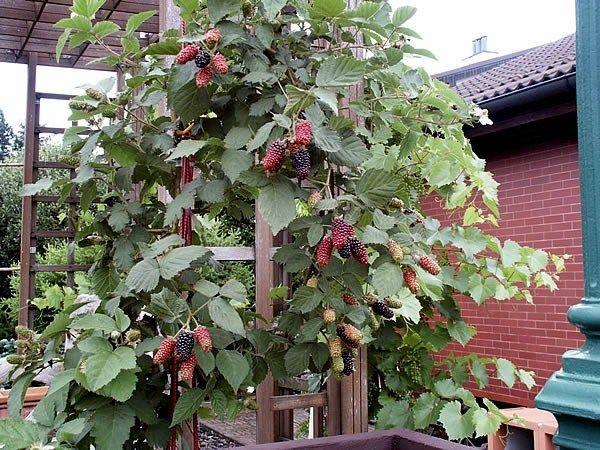
It produces numerous short fruit-bearing branches. The shoots can reach up to 5 meters in length. The shrub grows at a medium rate. The Karaka Black blackberry has thorny shoots. The thorns are not large, but there are many of them on the bush. When handling the bush, thick gloves are required to protect against the thorns.
Flowering and fruiting
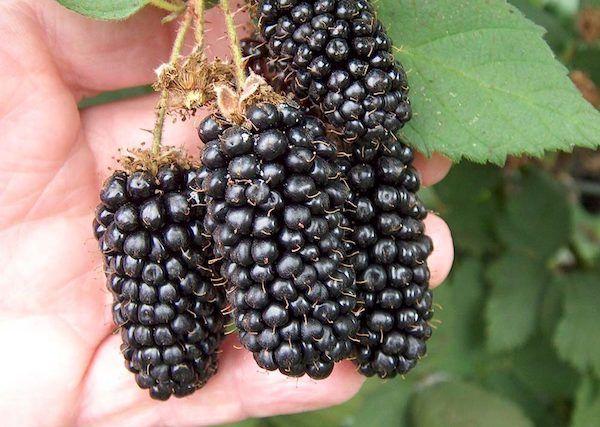
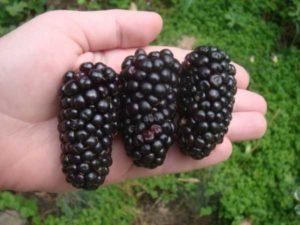
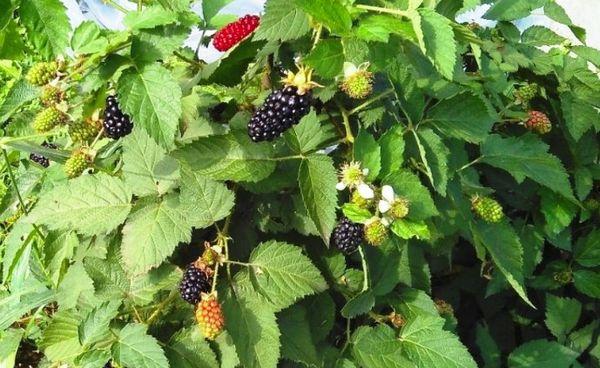
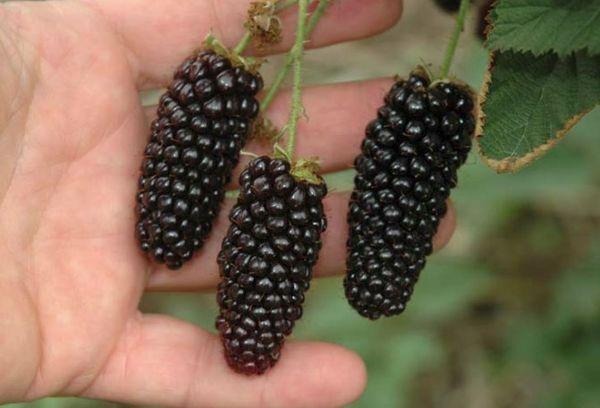
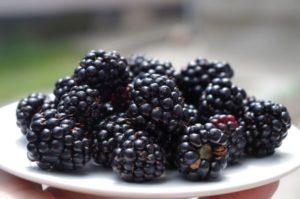
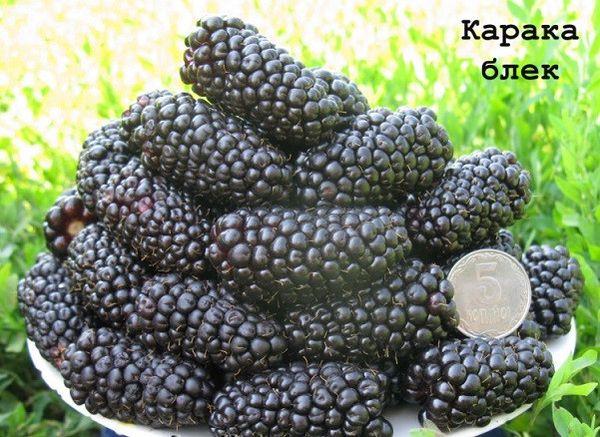
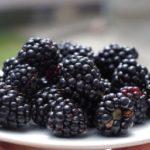
The fruits of this variety are sweet and large. They are black and glossy. They resemble mulberries in appearance: black and elongated. Each berry weighs 8-14 grams. They typically reach 4 centimeters in length.
When overripe, the fruits become very sweet. In areas with harsh weather conditions, Karak Black blackberries can have a sour taste.
With good care, fruiting begins in the third or fourth year of life.
Over the course of a season, a single bush can produce up to 12 kilograms of berries. However, this result shouldn't be expected during the first year. This can be disappointing for farmers. During the second year of cultivation, the situation will improve significantly. During this season, a farmer can harvest 15 tons of Karaka Black blackberries per hectare. In the third year, the yield will be even higher.
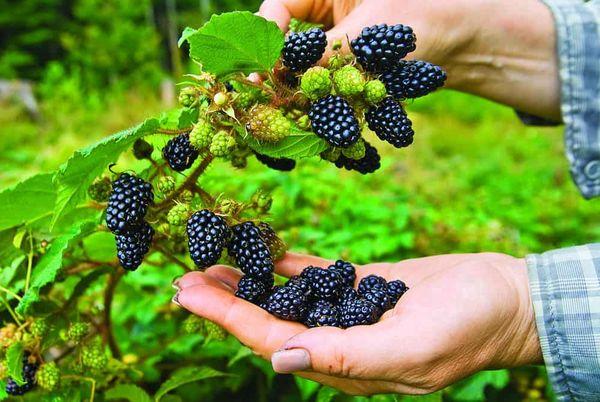
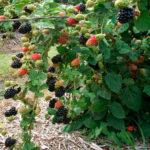
This variety experiences wave-like ripening. The upper portion of the bush ripens earlier than the lower portion. It's possible for the fruit on the upper branches to be harvested while those on the lower branches are just beginning to ripen.
You can determine how ripe a berry is by how hard it is to pull it off. A fully ripe berry will pull off without effort. Unripe berries have a slight purple tint.
When blackberries are overripe, they become very soft and sweet.
Fruiting occurs over the course of two months, starting in the first ten days of June.
Scope of application of berries
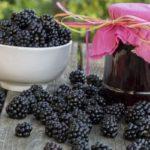
Sweet blackberries have a pleasant taste. These berries have a characteristic aftertaste. They are often eaten fresh. Karaka Black blackberries are a good choice for making jam or preserves.
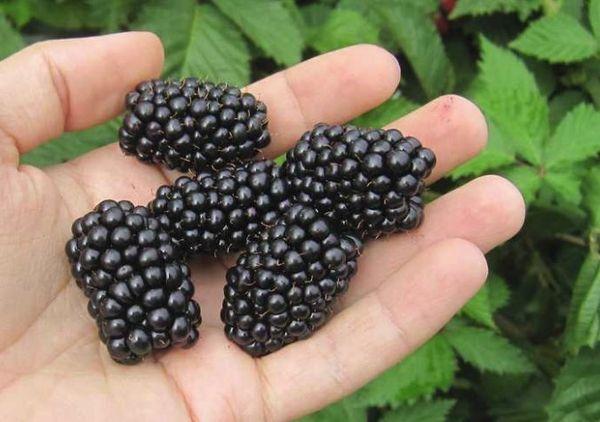
These fruits have excellent transport qualities. They retain their flavor and nutritional value for up to five days during transit.
Freezing blackberries preserves their flavor and nutritional value, so they'll keep well in the refrigerator.
This berry has a beneficial effect on the heart and blood vessels, strengthens the immune system, and helps the body eliminate toxins. Karaka Black blackberry helps improve energy and enhance performance.
Eating berries is beneficial for women during pregnancy and breastfeeding.
Immunity to diseases and pests
This variety is characterized by moderate resistance to diseases and insect pests. Particular attention should be paid to protecting the shrub from aphids.
Drought resistance and winter hardiness
This plant has poor winter hardiness. To ensure the bushes survive the winter, they need to be covered. Blackberries are known for their high drought tolerance. Their extensive root system can fully supply the plant with water.
Specifics of planting crops
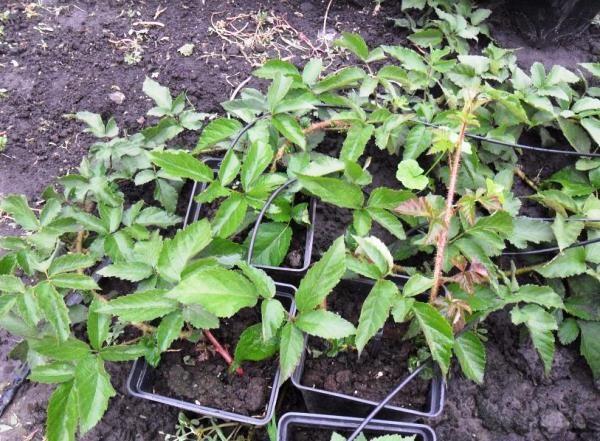
When purchasing Karaka Black blackberry seedlings, it's not recommended to buy from random sellers. Instead, choose reputable sellers. Seedlings sold in pots will thrive better.
Optimal timing
The best time to plant seedlings is spring. However, if using containers, any time during spring, summer, or fall is suitable. When planted in soil, roots and soil included, the Karaka Black blackberry will take root easily.
However, in areas where the climate is moderate, the best time to plant seedlings is early spring.
In southern regions, where it is warm until November, you can plant even in late autumn, but you cannot do this immediately before the onset of winter cold.
Selecting a suitable site
Blackberries thrive in fertile soil that has been properly fertilized. Loamy soil with a neutral or slightly acidic pH is ideal.
Blackberries aren't picky about light conditions. They'll grow well in both bright light and shade. However, the berries will have a more tart flavor in the latter case.
It's not recommended to plant blackberries in low-lying areas where moisture accumulates. In such conditions, blackberries are at increased risk of fungal diseases.
Preparing the planting hole and seedling
When purchasing potted seedlings, remove the roots along with the soil ball and examine them carefully. The soil should be a solid lump, entangled with the plant's roots. It's important that the pulp under the bark is green. If it turns brown, it means the seedling is drying out. If you purchased it in late fall, you should bury it until spring.
When planting in spring, preparation should begin the previous fall. For fall planting, this should be done two weeks earlier.
The area must first be cleared of debris and weeds, and the soil must be dug up.
Plants need to be fertilized during planting. For each bush, use:
- 2 kg of humus.
- 100 g superphosphate.
- 40 g of potassium fertilizers or ash.
Before planting, it's recommended to soak seedlings in a solution containing Kornevin or Heteroauxin for several hours. This will improve rooting.
Landing technology and scheme
To plant seedlings, make holes measuring 45x45 centimeters.
A planting scheme that places 1.0-1.5 meters between seedlings can be used. It is recommended to prune the bushes so that they do not interfere with each other's growth.
If blackberries are being planted for commercial use, the plan is as follows: Dig trenches measuring 45 x 50 centimeters. Plant at a distance of 1.5 meters. The distance between rows should be 2.5-3.0 meters.
How to care for blackberries
Blackberry Karaka Black does not require any special additional care when growing. However, it's important to provide these bushes with everything they need for full growth and development. It's important to remember that the better the care, the greater the yield and the better the taste of the fruit.
Regularity of watering
When growing blackberries, don't allow the soil to dry out. Water frequently enough to ensure the plant always receives moisture. It's generally recommended that each bush requires 6 liters of water weekly.
Pruning and crown shaping
Sanitary and formative pruning should be performed in the fall. This will help increase the Karaka Black blackberry's yield next year.
Fruit-bearing shoots are pruned in the fall. Blackberry bushes are left with 8-10 of the strongest shoots.
Top dressing
During the year, the following fertilizers are applied:
- In spring, feed with urea and saltpeter.
- When fruiting begins, you need to give the plant nitrophoska (70 g per 10 l of water) and 200 g of ash.
- Once the berries have been picked, the blackberries need to be fed with superphosphate (100 g) and 30 g of potassium salt per square meter.
Irrigation, soil loosening
For successful cultivation, mulching is essential. This will help retain moisture in the soil and protect it from overheating. Hay, straw, and compost are used for this purpose.
After watering, it is important to loosen the top layer of soil.
Tying to supports
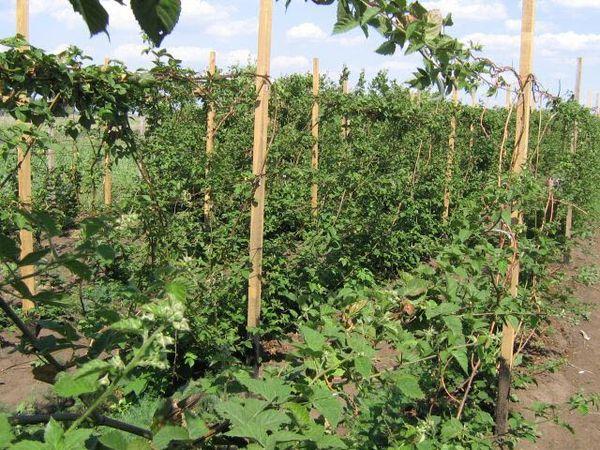
In early spring, the bush is tied to a trellis. This ensures good ventilation and sun exposure. Typically, a trellis with the bottom wire spaced 60 cm apart and the top wire spaced 120 cm apart is used.
Preparing a hybrid for winter
The Karaka Black blackberry has relatively low winter hardiness. It barely tolerates temperatures below -17°C (63°F). To ensure the bush survives the winter without damage, it needs to be covered. This should be especially careful during the first year of seedling growth.
In the fall, the blackberries are removed from their supports, laid on the ground, and covered with agrofibre. In addition, during severe frosts, a layer of spruce branches is added on top.
Diseases and pests: treatment and protection
The shrub's disease resistance is average, so the Karaka Black blackberry requires regular preventative treatments with specialized insect and disease control products. Particular attention should be paid to aphid control.
Reproduction technique
The most effective method of propagation is to use the tips of the bush shoots.
Having selected a suitable one, a portion of the branch is buried shallowly in the ground and watered. Once the seedling sprouts, it is separated from the parent branch.
It's important to remember that rooting the tips of the shoots doesn't require any effort. The shrub often does this on its own. This means it will grow rapidly if left unchecked.
Reviews of the variety
Nikolay, 49 years old, Moscow region
I prefer not to grow thorny varieties, but my neighbor insisted on keeping the Karaka Black because of its berries. I wasn't happy with the low yield, but she was pleased with the flavor of the berries.
Sergey Ivanovich, 50 years old, Barnaul
I planted 17 bushes. I didn't cover them in winter, but none of them froze.
Tatyana, 37 years old, Samara
The first berries were picked on June 10th. There are many of them, all large. They have a pleasant, sweet flavor, with a harmonious hint of tartness.
Related posts:
 Description of the Black Satin blackberry variety, cultivation and care features
 Description and characteristics of the Natchez blackberry variety, planting and care
 Description of thornless blackberry varieties and their cultivation, planting and care
 When and how to prune blackberries: timing and instructions for beginners
 Description and characteristics of the 40 best blackberry varieties, yield indicators
 Characteristics and description of the Thornfree blackberry variety, cultivation and care
 How to care for blackberries in open ground, growing and planting
 A simple recipe for making blackberry jam for the winter