
- The History of the Black Satin Blackberry
- Description and characteristics of berry crops
- Bush and shoots
- Flowering and pollination of the Black Satin variety
- Yield indicators, fruiting periods
- Tasting evaluation and use of Black Satin fruits
- Immunity to diseases and pests
- Frost resistance
- Pros and cons: is it worth planting?
- Black Satin Blackberry Planting Algorithm
- We are deciding on the deadlines
- Choosing the optimal location
- Preparing the soil and planting hole
- How to select Black Satin blackberry seedlings
- Planting diagram and rules
- Specifics of caring for the Black Satin variety
- Watering and fertilizing
- Trimming
- Loosening and mulching the soil
- Preparing for winter
- Diseases and pests: protection, treatment
- Methods of growing a blackberry orchard
- Reviews of the variety from experienced gardeners
The Black Satin blackberry variety is easy to care for and produces a bountiful harvest. This isn't a new variety, nor is it considered an elite one, but it is widely grown in gardens across the CIS. It's important to familiarize yourself with the planting and care guidelines beforehand.
The History of the Black Satin Blackberry
The Black Satin blackberry variety was bred in 1974 by scientists from Beltsville, USA. Copyright belongs to the breeder, D. Scott. The parent crops were the Darrow and Thornfree varieties.
Description and characteristics of berry crops
The Black Satin blackberry is a semi-creeping variety, occupying a shape intermediate between dewberries and brambles. The berries are sweet, marketable, and are typically grown for personal consumption.
Bush and shoots
The bushes grow vigorously, not prone to thickening, and do not form root suckers. The shoots grow quickly, with a rounded cross-section, thornless, and up to 5 meters long. Initially, they are upright. Once they reach 1.5 meters, they begin to spread. Young vines are emerald green, turning brown as they mature. Second-year vines are brown, stiff, and thick, up to 3 cm in diameter. The leaves are serrated, compound, and composed of 3-5 blades.

Flowering and pollination of the Black Satin variety
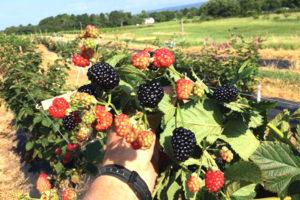
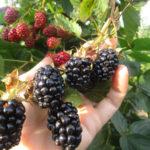
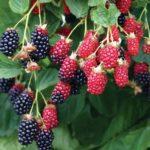
Flowering occurs in late May or early June. The period is extended, often with buds and green and ripe berries appearing on a single fruiting cluster. When they open, the inflorescences are pinkish-purple, turning whitish after 2-3 days. They are collected in clusters of 10-15. The plant is self-fertile and does not require pollinators.
Yield indicators, fruiting periods
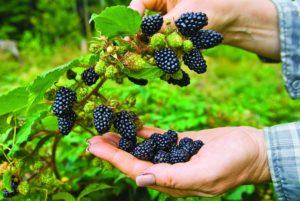
A single 4-5-year-old Black Satin blackberry bush yields 10-15 kg of berries. With proper cultivation practices, this figure can increase to 25 kg.
One hundred square meters yields 4 tons of blackberries. Fruiting begins in late June.
Tasting evaluation and use of Black Satin fruits
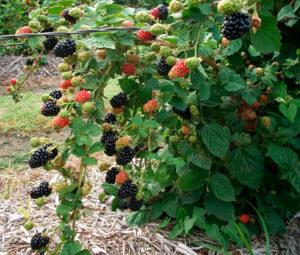
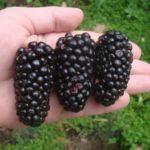
Soft fruits are difficult to transport, and unripe ones are tasteless. Therefore, Black Satin blackberries are rarely grown commercially. The fruits must be picked every three days, otherwise they are susceptible to gray mold. Each berry weighs 4 grams, with a maximum weight of 8 grams. Tasters rated the sweet-tart flavor of the fruit at 3.8 points. The harvest ripens on the previous year's growth.

Immunity to diseases and pests
Black Satin blackberries are highly resistant to diseases and harmful bugs. Without proper care, their immunity weakens.
Frost resistance
The plant can withstand temperatures down to -22 degrees Celsius. The tops and branches are susceptible to freezing. They are covered for the winter. Without insulation, the shoots are susceptible to gray mold.
Pros and cons: is it worth planting?
Black Satin blackberries offer many advantages, but they also have their drawbacks. Understanding these will help you decide whether growing them is worthwhile.
| Pros | Cons |
| The berries are large and of general purpose. | Low frost resistance |
| High yield of bushes | Extended, scattered ripening period of fruits |
| Shoots without thorns | The branches are brittle and bend. |
| Bush density is easy to control | Ripe berries do not tolerate transportation. |
| The harvest does not store well and requires quick processing. |
Black Satin Blackberry Planting Algorithm
To ensure blackberry seedlings take root, they need to be planted at the right time and in the right location. It's best to purchase seedlings from reputable sellers. Poor-quality specimens are unlikely to thrive.
We are deciding on the deadlines
In most regions of Russia, it's best to plant Black Satin blackberries in late March or early April. This will give the bushes time to establish themselves and grow stronger before frost sets in. In the south, they can be planted in September, as spring plantings can cause heat damage.

Choosing the optimal location
Blackberries prefer sunny sites protected from northern winds. The Black Satin variety tolerates some shade, but only in southern regions. In the north, a lack of sunlight can result in poor berry production and poor winter survival. The groundwater table should be at least 1 meter below the surface. Avoid planting blackberries near raspberries, other berry bushes, strawberries, or members of the Solanaceae family. These can introduce diseases.
If these plants are already growing in the garden, blackberries should be planted at a distance of 50 meters from them.
Preparing the soil and planting hole
Two weeks before planting, till the soil to a depth of a spade. This helps remove weeds and improves soil aeration. You can add compost, peat, and wood ash to the soil. The hole for blackberry seedlings should be a standard size, 50 x 50 x 50 cm. Fill the holes with 0.5 buckets of water.

How to select Black Satin blackberry seedlings
The seedlings should be intact, not crooked, and free from damage, beetle attacks, or disease. They are immersed in a root growth stimulant such as Epin or Matador for two hours. To disinfect, the seedlings are dipped in a weak potassium permanganate solution for 30 minutes.
Planting diagram and rules
Maintain a distance of 3 meters between Black Satin blackberry bushes, with a distance of 1 meter being critical. Tamp the prepared planting hole by hand, create a mound in the center, and spread the rhizomes around it.
Fill the hole with a nutrient mixture of peat, humus and wood ash, deepen the root collar by 2 cm.
Firm the soil again and water the blackberries, applying 10 liters of water per bush. Mulch the area with straw, sawdust, and pine needles. After planting, trim the seedlings back to 15 cm with disinfected pruning shears.
Specifics of caring for the Black Satin variety
Caring for blackberries in open ground is easy; the main thing is to water, prune, fertilize, and treat for pests and diseases on time. It's important to tie up the bushes, as they can grow up to 5 meters in length, making winter protection difficult. It's best to establish horizontal growth patterns from the start.
This will be more difficult in the future due to poor flexibility and excessive bushiness. The shoots can break with the slightest mechanical stress. Branches 35-40 cm long are bent to the ground with a fork, and subsequent growth occurs horizontally. When they reach 1.2 meters, the clamp is removed. The following season, the vine is raised onto a trellis and tied in an arched formation.

Watering and fertilizing
Black Satin blackberries prefer moist soil; each plant should be watered with two buckets of settled water. Overwatering is undesirable, as it can lead to root rot or death, resulting in slow growth.
Black Satin also needs to be fertilized starting in its second year. If you feed it immediately after planting, it will grow vigorously and may produce its first fruits, but it will also weaken and die in winter.
Experienced gardeners recommend applying nitrogen fertilizers, such as ammonium nitrate or urea.
Trimming
Black Satin blackberries should be pruned periodically, leaving 5-6 developed, strong shoots from the previous year. Lateral shoots are shortened to 40 cm, and damaged, weak specimens are removed. Shoots that have finished fruiting are pruned before winter shelter. In spring, 5-6 of the best branches are left, and weak, frost-damaged, or broken tips are trimmed. Leaves should also be trimmed. During the ripening period, fruit clusters are picked.
In the first year after planting, it is advisable to pick off all the inflorescences on the blackberry so that it does not waste energy.

Loosening and mulching the soil
Loosen the soil around the blackberries after each watering to prevent crusting. Weed carefully, avoiding damage to the plant. This procedure improves soil aeration and removes weeds. Mulch the blackberries with spruce branches, sawdust, and straw. This prevents pest attacks and helps retain moisture.
Preparing for winter
The Black Satin blackberry's root system is cold-resistant, but it's advisable to cover it for the winter. To prevent frost damage, press the bushes firmly into the soil in October and cover them with agronomic fiber, roofing felt, synthetic padding, fallen leaves, or plastic film.
The berries should not rot, rot, or freeze if the temperature drops sharply. In the South, it's not a good idea to cover the plantings with film or synthetic padding for this reason.
The root zone is pre-mulched with compost, dried branches, peat, oak bark, or humus. Later, the first snowfall is added. When spring arrives, the air temperature will be stable at 10°C (50°F), and the cover can be removed.

Diseases and pests: protection, treatment
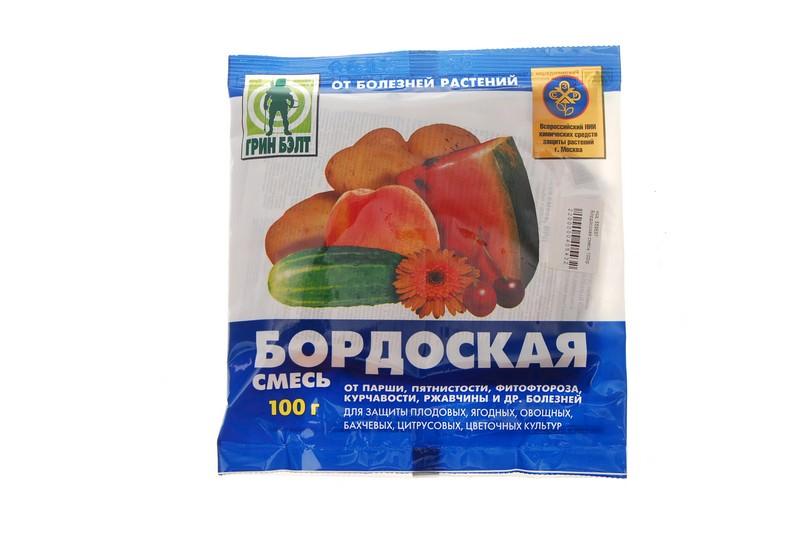
In rare cases, Black Satin blackberries are susceptible to gray mold, which is caused by Botrytis spp., a mold commonly used in winemaking. The disease attacks bushes during the flowering stage. In rainy, cold weather, entire buds can be damaged. In later stages, the disease damages the fruit buds. Blackberries affected by gray mold appear rotted and covered with a gray fluff. The disease is treated with fungicides and spraying with Bordeaux mixture. Gray mold can be prevented by following the steps below.
- Lower shoots should not lie on the ground. Botrytis spores can survive in damp soil.
- Avoid overcrowding. All vegetative parts of the plant should be well-ventilated.
- Pick ripe fruit promptly, removing any rotten ones. If you discover a diseased shoot, remove it and burn it.
- In spring, before flowering begins, spray the bushes with 3% Bordeaux mixture.
Black Satin blackberry mites are a pest. This small insect can destroy the entire harvest. The mite doesn't overwinter in the ground or under the bark, but instead settles in the buds and migrates to the berry clusters in the spring. Affected fruits don't ripen fully and remain reddish. To eliminate the pest, spray the bushes with Thiovit Jet before the buds open.
Methods of growing a blackberry orchard
The Black Satin blackberry variety does not produce root suckers, but its shoots are long, reaching up to 7 meters. Large numbers of young plants can be obtained from apical shoots, or layering. The branches are thick and do not bend easily; the selected shoot is bent toward the ground as it grows. Blackberries can also be propagated by root or green petioles. Division of the bush is also possible.
Reviews of the variety from experienced gardeners
Gardeners have responded positively to the Black Satin blackberry; many have taken a liking to the variety.
Valentin Agafiev, 58 years old, Kyiv
Hello! Black Satin blackberries are my favorite berries. I adore this variety and have been growing it at my dacha for about five years. The bush grows large, but I trim the vines periodically with pruning shears. I get a plentiful harvest, and the fruit is sweet with a slight tartness.
Valery Romanov, 65 years old, Sumy
Hello everyone! I've loved blackberries since childhood, and I grow them at my dacha. I love this variety for its large, tart fruits. Sometimes I make pies with them.
Lyubov Lavrentyeva, 50 years old, Lugansk
Hello everyone! I'm growing Black Satin blackberries in my garden for personal consumption, and I'm completely happy with them. I prune the bushes regularly and treat them with Bordeaux mixture as a preventative measure.
Related posts:
 Description and characteristics of the Karaka Black blackberry variety, planting and care
 Description of thornless blackberry varieties and their cultivation, planting and care
 Description and characteristics of the Natchez blackberry variety, planting and care
 Description and characteristics of the 40 best blackberry varieties, yield indicators
 When and how to prune blackberries: timing and instructions for beginners
 Characteristics and description of the Thornfree blackberry variety, cultivation and care
 A simple recipe for making blackberry jam for the winter
 How to care for blackberries in open ground, growing and planting