
Modern agrochemicals offer farmers a wide range of weed control products. Some are designed to kill pests in vegetable fields, while others protect grain crops. The herbicide "Octapon Extra" kills annual and some perennial broadleaf weeds, making it a popular and effective crop protection product.
Composition, dosage form and purpose
Octapone Extra is a systemic pesticide belonging to the aryloxyalkanecarboxylic acid class. It is available as a concentrated emulsion. The active ingredient of the herbicide is 2-4D (2-ethylhexyl ether) at a concentration of 500 grams per liter.
This product is designed to protect grain crops from various types of weeds (sow thistle, field bindweed, field mustard, and field thistle). It is used on wheat, rye, barley, and corn.
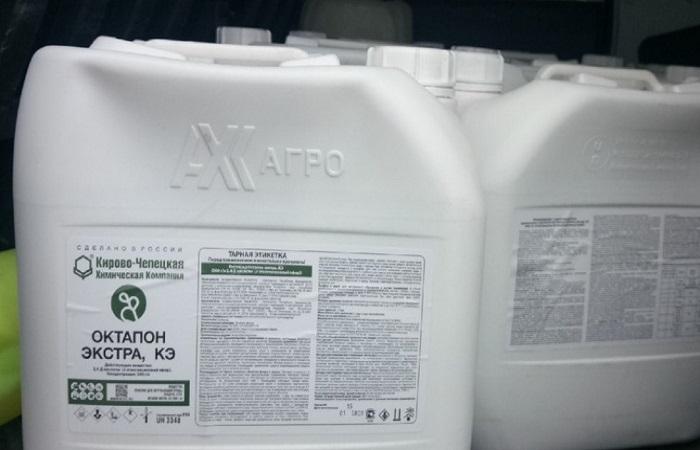
Octapone Extra is packaged in 20- and 30-liter plastic canisters, mounted on pallets for easy transportation. The herbicide containers are tightly sealed with lids, and labeled with information about the manufacturer, product name, ingredients, and intended use.
Mechanism of action
The product has both contact and systemic action. Penetrating the weed through the leaves and spreading along the stems and roots, the herbicide accumulates in the tissue and destroys cells. This stops the weed's growth, parts of the plant begin to wither, and the weed dies within two weeks.
Pros and cons
Every agrochemical has its advantages and disadvantages. The advantages of Octapon Extra include:
- economical use of the product with high efficiency;
- no impact on crop rotation;
- rapid penetration into the weed, the onset of action 1.5-2 hours after treatment;
- The product does not wash off in rain within an hour after application.

The herbicide is used in temperatures ranging from +5 to +25°C. It destroys root suckers. Its disadvantages include its high cost and the potential for weed resistance.

Calculation of consumption
Do not exceed the herbicide application rate recommended by the manufacturer.
| Cereals | Concentrate consumption, in liters/hectare | Spraying period |
| Barley, rye, winter and spring wheat | 0.6-0.8 | Winter crops are sprayed in early spring, spring crops - during the tillering period of crops |
| Corn | 0.6-0.8 | Spray when 3-5 leaves appear. |
| Forage grasses | 0.6-0.75 | When 2-3 leaves appear |
The prepared working mixture of the preparation is consumed at a rate of 50 to 150 liters per hectare.
Important: To avoid weeds becoming accustomed to the product, change herbicides every 2 years and use products from different chemical groups.
The product is effective for reclamation of areas and treatment of fallow lands.

Preparation of working solution
When preparing the mixture for spraying, add the emulsion concentrate to the water (add the amount of concentrate recommended by the manufacturer to 1/3 of the required volume of water), constantly stirring the solution, and add the remaining water.
Instructions for use
The solution is prepared in specially equipped areas. Treatment is carried out with a fresh working solution of the herbicide in dry, windless weather.
Precautionary measures
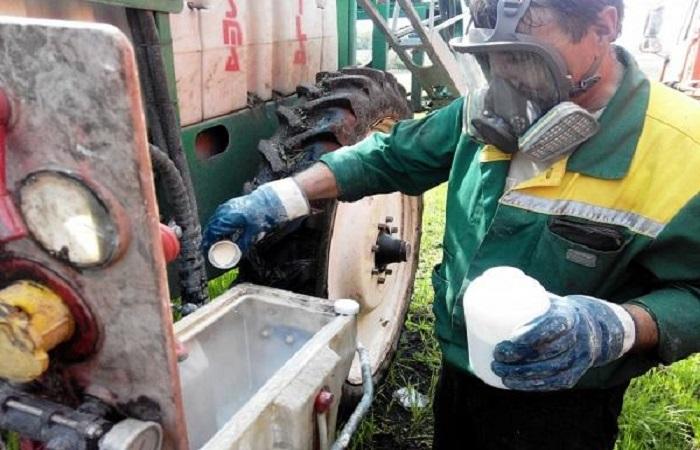
When handling the product, wear protective suits, protective rubber gloves, and a respirator. After handling, change clothes and take a shower. Smoking and eating are prohibited during solution preparation and spraying. Do not use the product near water.
How toxic is it and is there compatibility?
The drug is toxic to humans and bees. It is classified as hazard class 2 for humans (high toxicity) and hazard class 3 for bees (moderate toxicity).
Storage terms and conditions
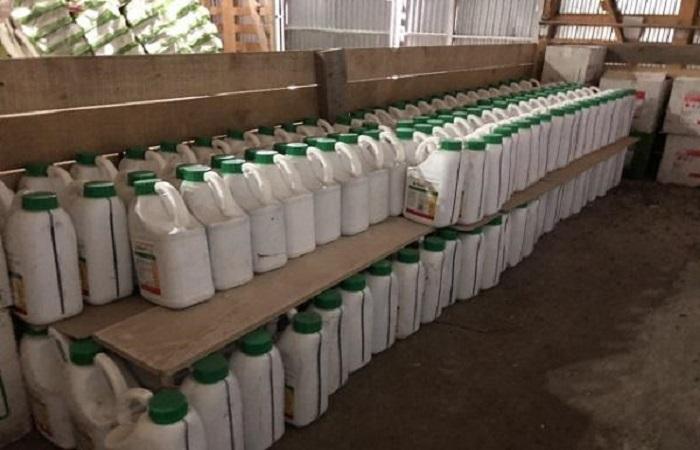
Herbicides are stored in dry, cool areas. These warehouses are equipped with ventilation and are not accessible to unauthorized persons. The products are stored in the manufacturer's packaging with a tightly sealed lid. The container must be labeled with clearly visible information about the product's name and intended use.

The shelf life of Octapon Extra is 24 months from the date of manufacture.
Analogues
A drug identical in its active ingredient is “Chance 24” EC.
Related posts:
 Instructions for use and composition of the fungicide Amistar Extra, its analogues
 Instructions for use of Ribava Extra and its composition, mechanism of action
 Instructions and application method for the herbicide Sprut Extra, consumption rate
 The best eggplant varieties for growing in a polycarbonate greenhouse: planting and care
 Description and technology of growing Super Extra grapes
 The health benefits and contraindications of black currants
 Instructions for use of Siliplant and the composition of the fertilizer, pros and cons
 Methods for planting and propagating cherries at home