
- Medicinal and beneficial properties of parsley
- Nutritional value and calorie content
- The benefits and beneficial properties of parsley for the human body
- Benefits for men
- Benefits for women
- Benefits for children
- Methods of use in folk medicine
- Use in weight loss diets
- Application in cosmetology
- How is it used in cooking?
- Are there any harms and contraindications?
Parsley is grown in many Russian gardens today. The plant is prized for its unique aroma and versatility. Today, the beneficial properties of this herb have found application in culinary arts, various areas of cosmetology, and traditional and alternative medicine. However, few people know about its medicinal properties and contraindications.
Medicinal and beneficial properties of parsley
Parsley's beneficial properties stem from the unique composition of its green leafy greens. It is the absolute champion in vitamin C content, surpassing citrus fruits in this regard. A small bunch contains more ascorbic acid than half a kilogram of oranges. This spicy plant can replenish the deficiency of many useful substances, including folic and organic acids.
The greens are used in cooking to impart a rich flavor to dishes. In the medical industry, they are used to produce medicinal decoctions and tinctures, and in cosmetics, they are used to create skincare products. In the production of pharmaceuticals, the above-ground parts, seeds, and root shoots are used as raw materials.
The healing properties of the plant have a whole spectrum of effects:
- helps to better remove phlegm due to the presence of a high content of essential oils;
- strengthens the immune system;
- has an antiseptic effect;
- alleviates the course of chronic respiratory diseases;
- promotes diuretic action;
- reduces sugar levels;
- improves the functioning of the digestive system;
- promotes the removal of stones and toxins;
- acts as a preventative measure against diseases of the reproductive system, normalizes the menstrual cycle and hormone levels;
- improves vision.

The leaves of the plant are recommended to be included in the diet of people experiencing physical and mental stress, and suffering from lack of sleep. Due to its ability to improve metabolism, parsley is often used for weight loss purposes. The antiseptic properties of greens are used in dentistry to eliminate and prevent inflammation, heal wounds, and eliminate bad breath. In cosmetology, they help treat skin conditions, restore tone, and prevent aging.
Nutritional value and calorie content
Parsley contains many beneficial nutrients, yet only 47 kcal per 100 g. Parsley leaves retain virtually all their vitamins and nutritional value when frozen or dried.

The benefits and beneficial properties of parsley for the human body
Today, many varieties of greens have been developed, the main difference between which lies in the appearance of the plant. It is prized in cooking for its unusual leaf shape. curly parsley, but the common variety has a more intense aroma. Regular consumption of this herb helps replenish nutritional deficiencies, boosts immunity, and reduces the risk of disease.
Including greens in your diet every day is a good preventative measure to replenish vitamin deficiencies and reduce the risk of disease.
Benefits for men
Fresh parsley is a natural aphrodisiac and has been shown to enhance potency. For maximum effect, it is recommended to consume the herb immediately before intimacy. This herb reduces the risk of developing reproductive system diseases. To prevent prostatitis, eating one or two bunches of parsley daily is sufficient.
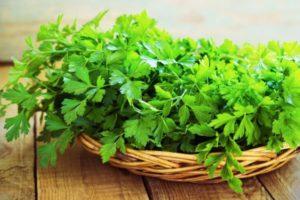

Men who drink beer excessively often have elevated levels of female hormones. This can lead to changes in body composition, such as breast enlargement and pelvic enlargement. Due to the presence of apigen, this herb helps suppress the synthesis of these hormones while simultaneously removing toxins and waste.
Benefits for women
In Ancient Rus', parsley was called "feminine" due to its positive effect on the reproductive system. This herb has the following properties:
- normalizes the menstrual cycle;
- reduces pain discomfort during painful periods;
- improves well-being during menopause;
- helps normalize the functioning of the nervous system.
Parsley is often included in diet plans. Weight loss is achieved thanks to the herb's ability to improve metabolism and prevent fat deposits. This herb has a whitening effect when used in masks and skin creams. It helps quickly reduce inflammation, making it a common ingredient in skin treatments.

Pregnant women and those trying to conceive should consume parsley with caution. The herb increases blood flow to the pelvic organs, which can cause bleeding or miscarriage. Consuming the herb in moderation is beneficial for pregnant women, as it normalizes hemoglobin levels and has a calming effect on the nervous system.
During pregnancy, most pharmaceutical drugs are prohibited, but this herb perfectly supports the immune system of the expectant mother.
Benefits for children
Children's bodies require adequate nutrition, and parsley is a rich source of minerals and vitamins. Adequate nutrition promotes a child's mental and physical development. The herb loses virtually no nutritional value when frozen or dried, making it a great alternative to fresh fruit during the winter. Parsley helps support a child's immune system, reducing the risk of illness during the off-season.

Methods of use in folk medicine
Parsley's medicinal properties are used to treat many ailments; juices, decoctions, and infusions are prepared from the herb. Some of the most popular uses for this herb include:
- Antiparasitic remedy: chop 2 tablespoons of greens, pour a glass of boiling water over them, cook for 30 minutes, strain and consume 1 tablespoon before meals 4 times a day;
- for the consequences of insect bites and bruises - parsley is chopped in a blender, the released juice is used for compresses applied to the sore spot;
- Diuretic decoction - 1 teaspoon of seeds is crushed in a mortar, poured with 1 liter of hot water, used in a course of several days, drinking ½ glass every 3 hours.
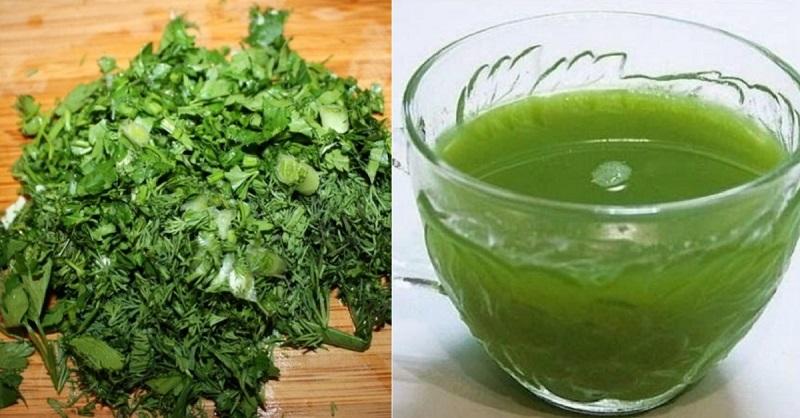
When treating with parsley, it is necessary to take into account the presence of diseases that prohibit the use of the medicinal herb.
Use in weight loss diets
The weight-loss benefits of including parsley in your diet stem from the herb's ability to boost metabolism and detoxify the body. For weight loss, you can try one of the following recipes:
- parsley decoction - 2 teaspoons of chopped herbs are poured with 1 glass of boiling water, infused for 20 minutes, then kept on the fire for 10 minutes, taken in a 7-day course on an empty stomach;
- Lemon mixture - 100 g of parsley, juice of 1 lemon, 2 liters of boiling water, take a couple of sips when thirst appears.
 To achieve results in the form of significant weight loss, it is not enough to simply include parsley in your daily menu. The properties of this herb must be used in conjunction with the benefits of diet and physical activity.
Application in cosmetology
Parsley is used in facial care products, including masks, cleansers, and cleansers. You can use one of the following recipes:
- to cleanse the face - 1 tbsp. of root, 1 tbsp. of greens, pour 500 ml of water and boil for 20 minutes, before going to bed use the liquid to wipe the face;
- Honey mask - 1 teaspoon of herbs, 3 drops of lemon juice, 1 teaspoon of honey, mix well and apply in an even layer to achieve a whitening effect and remove freckles;
- Tonic - 1 teaspoon of herbs, 1 teaspoon of sour cream, mix and apply as a mask for 20 minutes.

How is it used in cooking?
Parsley is used in cooking to add a richer aroma and flavor, adding it to salads, soups, and meat and fish dishes. Fresh parsley is often used to garnish holiday dishes, and its presence on the table stimulates the appetite. Recipes can call for not only freshly picked parsley but also frozen, which is equally valuable. In the freezer, this herb can be stored in bunches, chopped, or in ice cubes.
The disadvantage of the freezing method is that there is often not enough space to store enough parsley.
The shelf life of fresh herbs is no more than 14 days. Dried herbs offer several advantages over other processing methods: you can prepare any quantity of seasoning, it doesn't take much time, and it can be stored for up to 2 years. An airtight container or tightly sealed cloth bag will help preserve the flavor and beneficial properties of the seasoning. Avoid exposing the dried mixture to direct sunlight or excessive moisture. You can dry the herbs naturally, use an oven, or use a dehydrator.

Are there any harms and contraindications?
There are certain restrictions on the consumption of this herb. Exceeding the recommended dose of parsley can cause side effects. The main adverse reactions to exceeding the recommended dose include:
- headache;
- attacks of nausea;
- the appearance of bloody discharge in the stool;
- muscle pain up to convulsive states;
- weight loss.
Parsley herbs and infusions should not be consumed by those with urinary problems, kidney inflammation, or allergies to the herb. Internal organ diseases may also be contraindicated. To avoid the risk of worsening your health with such diagnoses, consult your doctor before incorporating the herb into your diet.
Related posts:
 The best recipes for harvesting parsley for the winter at home
 Proper sowing of parsley in open ground before winter, which variety to choose, planting and care
 How to grow parsley in the open ground at your dacha, planting and care instructions, and harvesting times
 The use of parsley root for medicinal purposes, properties and contraindications for use
 When is the best time to plant parsley seeds in open ground, growing and care
 Recipes for inducing menstruation with parsley seeds, how much you need to eat to speed it up
 The benefits and harms of parsley during early and late pregnancy, and when it is prohibited to consume the herb
 Description of the 40 best varieties and types of parsley, what the plant looks like