
Biologically active plants can be both beneficial and harmful. The same is true of parsley root, which boasts impressive medicinal properties, but also has some contraindications. However, with the right approach, you can reap only the benefits of the plant.
Chemical composition of parsley root
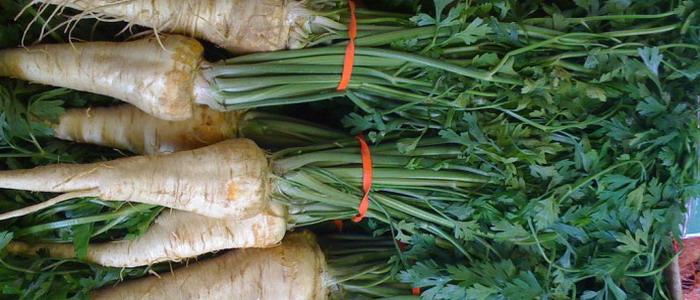
Nutrients accumulate here. This is not surprising, as parsley subsequently obtains essential nutrients from the root. The rich chemical composition of this part of the plant makes it beneficial.
Despite containing only one micronutrient—iron—parsley root boasts a wide range of macronutrients.
Among them:
- magnesium;
- potassium;
- phosphorus;
- sodium;
- calcium.
It contains a diverse range of vitamins, including many B vitamins. Its calorie content is very low, at only 51 kcal per 100 g. All this makes parsley an excellent dietary and medicinal plant, ideal for both the table and the garden.
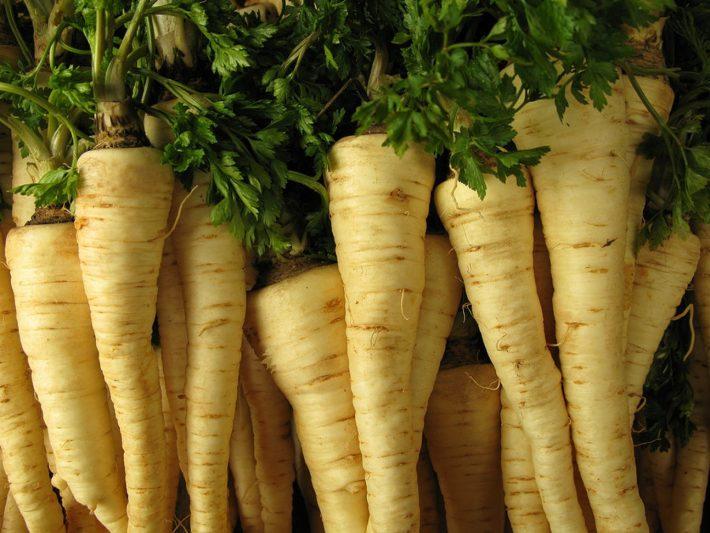
It is important to note that only the root variety of the plant will provide valuable properties of the root.
Medicinal properties of parsley root
Parsley has many valuable properties. It's useful for many ailments. A decoction is a common way to use it, as the root is easily absorbed in this form. However, it's worth mentioning right away that not everyone can use this remedy.
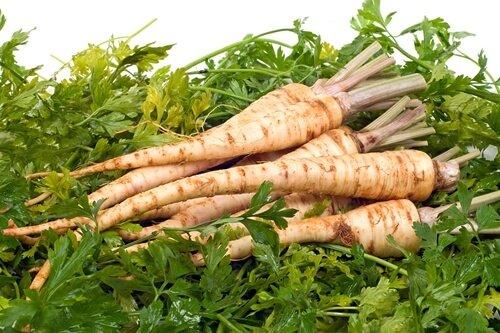
The beneficial properties of the product should be divided into categories:
- Choleretic.
- General tonic.
- Antipyretic.
- Carminative.
- Antibacterial.
- Anti-inflammatory.
- Disinfectant.
- Anti-allergenic.
- Diuretic.
- Tonic.
These qualities make this part of the plant useful for many ailments and minor problems. Here are the body systems this remedy affects:
- Bone.
- Sexual.
- Cardiovascular.
- Urinary.
- Nervous.
- Gastrointestinal tract.
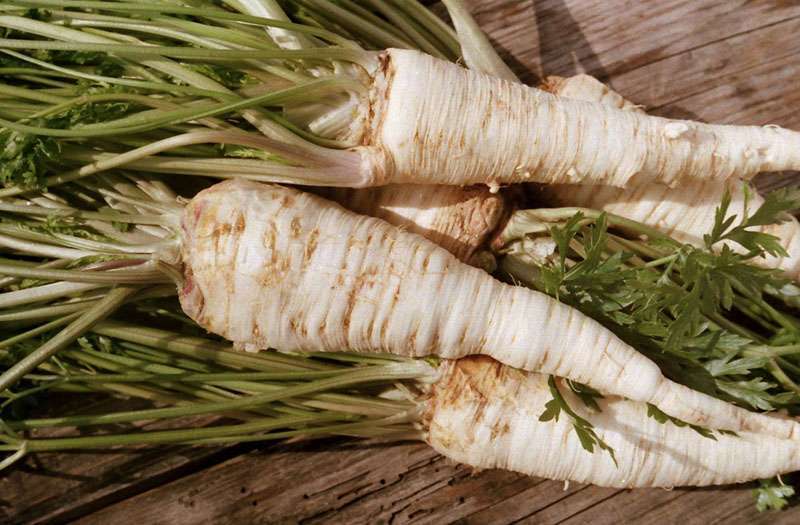
However, these are only the systems that are most strongly affected. It's also worth remembering that parsley boosts immunity, making it an interesting plant even for those in perfect health.

How to use parsley root
Given the plant's wide range of beneficial properties, it's no surprise that there are numerous healing recipes. Furthermore, it's impossible to list all the dishes that could use parsley root.
The ingredient gives an indescribable taste and aroma to almost any culinary creation.
Even infrequent use will be beneficial. However, excessive and inappropriate use can be harmful, which is important to remember.
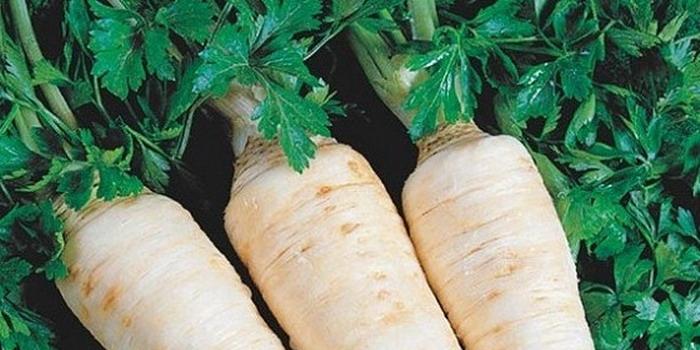
With the right approach, the root is relevant:
- for prostatitis;
- for cleaning;
- for skin;
- to alleviate the symptoms of PMS;
- for prevention.
These are just a few of the ways the plant has a positive effect. If you want to make the most of this gift of nature, you should pay attention not only to the roots but also to the leaves and seeds, which can yield numerous medicinal products.
For cystitis
In this case, use may be contraindicated. It's best to avoid using the product altogether. If you really want to, consult a qualified specialist first.
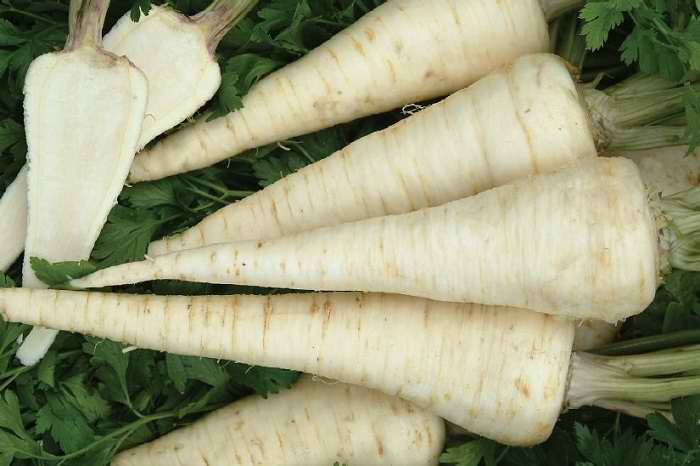
Prostatitis
Parsley root contains enzymes that normalize male hormone levels. Since consuming the plant helps increase potency, eliminate pathogenic microflora, and normalize blood circulation, it indirectly helps treat prostatitis.
The plant is one of the best natural remedies for fighting this disease.
To cleanse the body
Parsley root has the ability to remove heavy salts, waste, and toxins. This is why it is used for body cleansing. This is especially true for those who enjoy the latest food products, such as biscuits, which can be stored for several months.
For skin
To improve the appearance of your face, juice is helpful. It will remove rashes and excess oil, and even out your skin tone. Rub the juice in gently, then leave it on for fifteen minutes.
To relieve PMS
Since the plant has significant antioxidant properties, it has a positive effect on the production of sex hormones. In addition to regulating hormones, betta also helps eliminate excess fluid. This helps ensure that menstruation proceeds painlessly and relatively quickly.
For prevention
A decoction is suitable for preventing various diseases of the main body systems. This will provide good immunity, therefore, indirectly Parsley protects against viral diseases.
Digestive function improves. Furthermore, parsley root helps prevent cardiovascular disease and myopia.
Healing recipes
Of course, there are far fewer medicinal recipes than food recipes. Here are the main remedies used for a wide variety of ailments and for preventative purposes:
- infusion;
- decoction;
- tea.
Their use, of course, should be in moderation to avoid harm to the body. Suitable for the production of these medicines sugar root parsley.
Infusion
This remedy is used in both folk and traditional medicine. It's a good solution for cleansing the body of parasites, treating genitourinary disorders, and obesity.
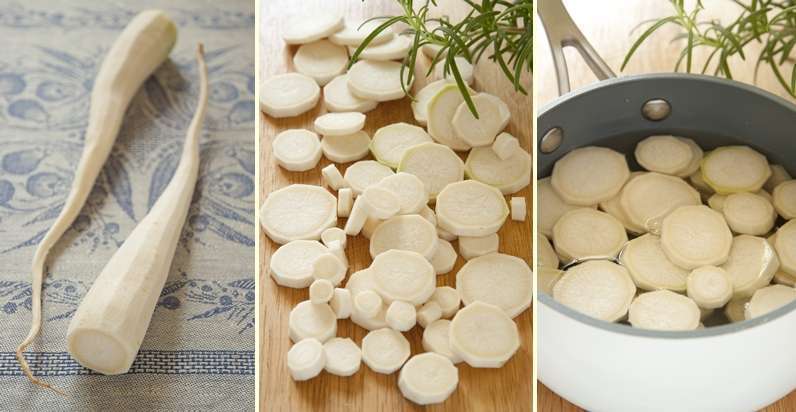
Add a couple of tablespoons of the dry powdered root to a cup of boiling water. Then let it steep for half an hour. Use the prepared remedy three times a day for a couple of months, at a dose of 100 milliliters.
Decoction
This recipe prevents swelling, normalizes circulation and blood quality, and improves skin. Heat 250 ml of water and 20 g of root powder in a double boiler. Then simmer for 10-15 minutes. Use 100 ml twice daily.
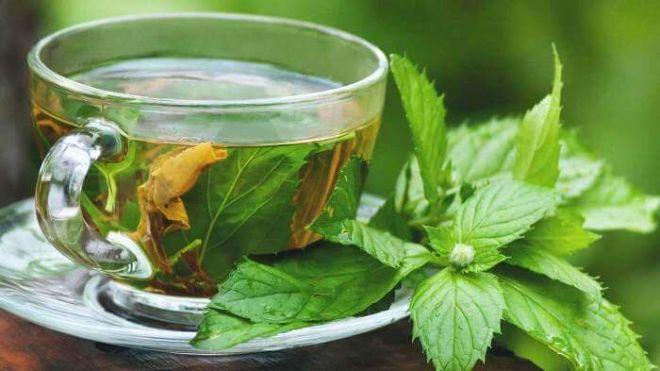
Tea
This remedy will cleanse the skin and relieve bloating and flatulence. Add three tablespoons of crushed root to 500 milliliters of boiling water. This remedy will not only have a healing effect but will also delight gourmets.
Alcohol tincture
A dubious way to avoid heart disease, as it involves drinking ethyl alcohol, the harm of which is undeniable. If this is suitable for anyone, it's for those who don't mind drinking in general.
Two hundred grams of crushed root is steeped in 500 milliliters of ethyl alcohol. This is then kept out of direct sunlight for twenty days.
Contraindications for use
It's also important to remember the potential problems associated with improper use of parsley root. There are contraindications to this medicinal herb that should not be ignored. In some cases, simply limiting the amount of parsley consumed may be sufficient, while in others, complete abstinence is necessary.

Here's when it's not acceptable to use:
- Age up to one year.
- Epilepsy.
- Pregnancy.
- Diseases of the gastrointestinal tract.
- Kidney diseases.
- Allergy to parsley.
The harm caused by thoughtless consumption of parsley root and its derivatives can be very serious. For example, consumption during pregnancy can even lead to miscarriage.
There are few contraindications, so for most people on the planet, parsley is probably suitable both as a subtle note in a gourmet dish and as a medicinal remedy.
In conclusion, it's worth noting that this plant is one of the most useful in the garden. When used correctly, parsley root can delay aging, so it's best to consume it from a young age. The key is to know when to use it in moderation, and then the root will bring only benefit and joy to life.
Related posts:
 The best recipes for harvesting parsley for the winter at home
 The benefits and harms of ginger for the female body, medicinal properties and contraindications
 Proper sowing of parsley in open ground before winter, which variety to choose, planting and care
 How to grow parsley in the open ground at your dacha, planting and care instructions, and harvesting times
 How to grow parsley on a windowsill in winter and recommendations for caring for the crop at home
 The benefits and contraindications of parsley for men, usage features, and recipes
 The medicinal properties of parsley for the human body and contraindications, methods of application
 When is the best time to plant parsley seeds in open ground, growing and care