
This tart, green plant with its distinctive flavor and leaf shape is a frequent guest in garden plots, providing an excellent source of vitamins. When to plant parsley, what are the intricacies of sowing from seed, and which varieties are best—these are questions many beginning gardeners ask themselves. Without knowing all this, it's unlikely you'll achieve a positive result: juicy, fresh shoots of aromatic greens for your table and salads.
After which to plant parsley
Parsley can be planted in soil that is normally or slightly acidic. It's best if the soil is not too dense, even loose. It's also possible to plant parsley after cabbage, onions, cucumbers, tomatoes, or potatoes have been growing in the garden – it will produce excellent fruit and fresh shoots.
Timing of planting in a greenhouse
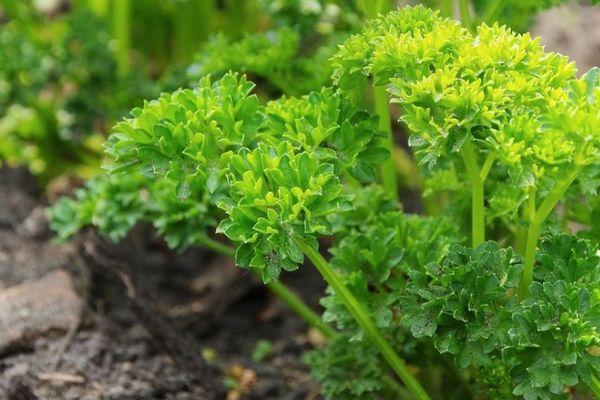
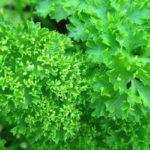
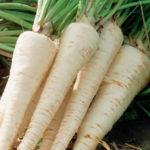
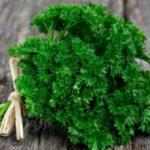
First of all, it's important to understand the subject at hand: understand that there are separate varieties for growing for leaves and roots. In the former, most growth occurs aboveground, while in the latter, it's the other way around, but greens can be harvested from both types. Furthermore, there's also curly parsley, with a distinctive leaf shape that's easily distinguished from the regular, straight variety. The difference between "root" and "leaf" varieties lies in the shape of the roots: in rooted parsley, they are dense and fleshy.
Such a detailed description of the intricacies of parsley's structure is necessary in order to differentiate planting times depending on the purposes:
- Root crops and leaves can be obtained by growing from seeds;
- sprouting last year's roots produces fresh greens.
Important: During the first year, all varieties expend their potential on developing the root system and aboveground part; in the second year, the aboveground part begins to develop (foliage growth and flowering).
Knowing these subtleties, it's easy to regulate the plant's growth, ensuring a sufficient supply of fresh greens. For example, by planting seeds early in the spring in an open area (garden or plot) and harvesting the leaves, you can then store the parsley for another season, over the winter. This requires a complete completion of the growing season: harvesting the greens no later than September (preferably in August), and then preparing the seedlings for winter.
To grow aromatic shoots for salad dressings or borscht, it is not recommended to plant the plant in a greenhouse before April. This applies to the first harvest; subsequently, leafy varieties can be planted until midsummer. However, for growing parsley directly into the ground, it should be planted as early as possible, as it doesn't have a particularly high germination rate.
When is the best time to sow parsley: in autumn or spring?
The answer to this tricky question for beginning gardeners lies in the purpose of planting: for greens or for root vegetables. The choice of variety also plays a role, as the variety will yield leaves (tops) or underground parts (roots). Planting parsley seeds in the spring yields abundant, vitamin- and microelement-rich green shoots that will sprout fairly quickly.
If you plant parsley in the fall, that is, during winter, and properly mound and mulch it, fresh foliage will emerge the following year, in April. Therefore, two important conclusions can be drawn:
- Planting seedlings from sprouted seeds is guaranteed to produce an abundant supply of leaves within a few months, allowing you to leave the plant "into the winter."
- Late planting will hinder the normal development of the root part, only the top, and will reduce the likelihood of parsley germination.
Whether it's best to grow the plant in autumn or spring is something each homeowner must determine for themselves, based on their goals and objectives. Then, plant according to all the rules, having first selected the desired variety or cultivar.
Timing of winter planting
So, you've finally decided whether to plant parsley tops or roots, and you've chosen winter planting. Now it's time to clearly define the timing and the required cultivation methods.
Gardeners use the following methods to propagate this popular green plant: seeds and seedlings. Germination in peat pellets is also used, which simplifies rooting of the seedlings in open ground. When planting, it's important to remember a few simple rules.
Firstly, parsley seeds don't have a very high germination rate, so the earlier you sow (plant the seedlings), the better. Secondly, spring planting ensures the root system develops fully, which is important for root-bearing varieties of garden parsley. Thirdly, it can be sown for foliage year-round (in an apartment or in a warm climate); overseeding in July is also used.
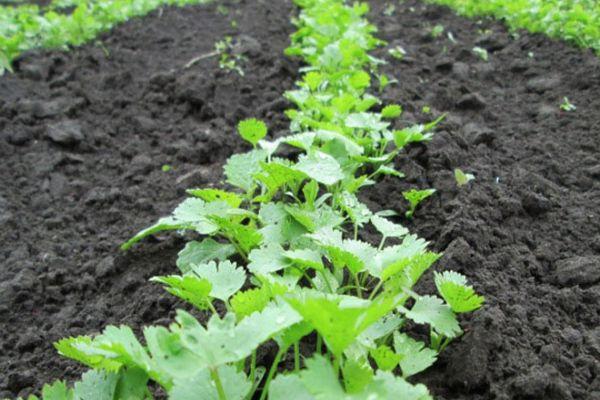
Fourth, after harvesting the greens, the plant can be left to overwinter, and the following year, its fruits can be used again in the form of fresh foliage. To do this, stop pruning the shoots in the fall, but no later than September, and it's advisable to hill the bed itself, raking the soil and creating a cone-shaped mound above the plant.
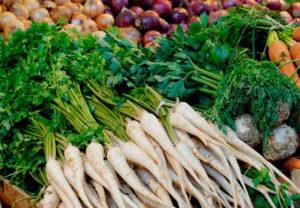
A layer of mulch—sawdust, leaves, small twigs, and even covering with plastic film—is also used. This will create favorable conditions for the rhizomes hidden in the soil, protecting them from weathering and hypothermia. An alternative method involves sowing seeds outdoors in the winter, in the second half of October. When snow appears, the beds are further protected and covered with snow, and in the spring, when temperatures reach 4°C, the first shoots should appear.
Important: Experimenting with planting frost-sensitive seeds, seeds with unknown germination rates, or seeds of questionable origin can end disastrously. Therefore, it's important to know in advance the maximum winter temperature in your region and which parsley variety is best suited for it.
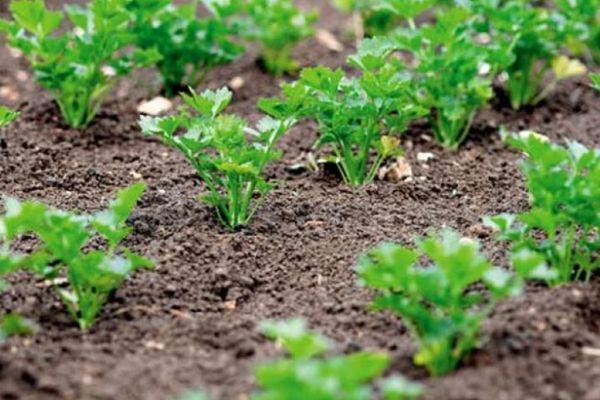
Planting conditions in the Moscow region and Siberia, depending on average temperatures, are completely different, so there's no one-size-fits-all advice. It's important to know which parsley variety is best suited for the area, as well as the purpose of planting (for greens or root vegetables).
When to sow parsley in Kuban
Russia's vast expanse and abundance of different climate zones, each with its own unique growing conditions, require a thorough understanding of the intricacies of each plant. For example, the Kuban region, with its average annual temperatures significantly different from the central part of Russia with its long, slushy springs, offers gardeners an increased chance of growing a full parsley harvest.
In this region, the plant is sown as early as March, and if the weather is favorable and the snow melts early, even as late as February. However, spring is still considered the best time, as it offers a higher chance of achieving a positive result. Experienced gardeners often don't wait for the snow to completely melt, but simply clear it from the soil prepared in the fall, after which they plant the seeds or seedlings.
How long does parsley grow?
Perhaps the most pressing question of all those asked. Especially when planting parsley in a greenhouse It shouldn't occur: an artificial microclimate will create conditions for harvesting almost year-round. But this significant advantage can also be detrimental: only young leaves are the most fragrant, fresh, and delicious, and due to the plant's rapid growth in the greenhouse, they "age" almost instantly, losing their unique properties.
When grown indoors, it's recommended to periodically trim the bottom row of leaves, thereby extending the growing season. Once every year or two, the parsley will need to be completely relocated.
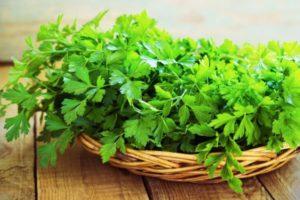
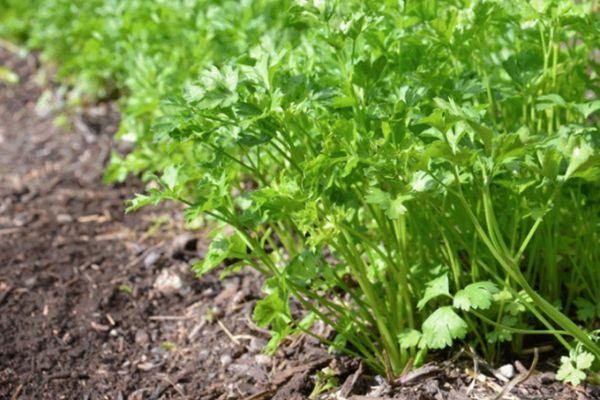
In open ground, this factor isn't critical—you can go up to five years without worrying about repotting the plant. However, you'll still need to periodically fertilize it, provide regular watering and oxygen to the roots, and eliminate weeds and pests. Otherwise, without care, the parsley will wither, stop producing new leaves, and gradually die.
What to plant after parsley next year
Planting parsley is considered an excellent way to change the type of crop planted in the garden or dacha: many tuberous plants, such as potatoes and Jerusalem artichokes, take root and bear fruit well after it is planted, and it will not harm the subsequent cultivation of beets, zucchini, and cucumbers.
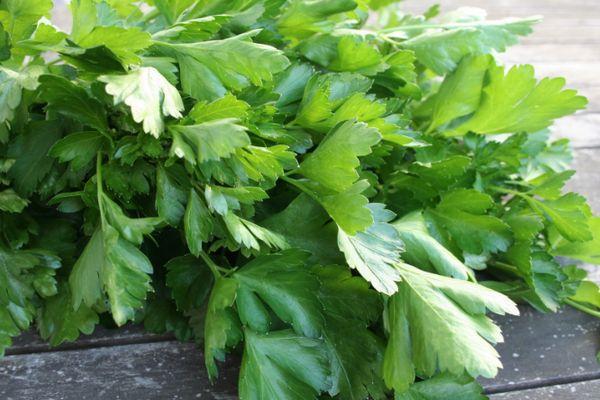
Parsley's root system is underdeveloped, located in the upper layers of soil, and doesn't significantly draw minerals and microelements from the soil. After harvesting, the plot is dug over and fertilized with peat or compost, after which it is ready to receive new residents—cucumbers or potatoes.
Important: Fertilizing the soil helps restore the balance of nutrients in the soil after a particular plant's growing cycle has ended, as well as facilitate the transition to planting the next variety.
In terms of landing and cultivation, parsley It's rightfully considered an unpretentious, moderately capricious plant. Even inexperienced gardeners, unfamiliar with the intricacies of gardening, can usually easily manage it. However, to ensure full leaf growth and root development, it's necessary to study the characteristics of the plant you've chosen. varieties of parsley, study the recommendations - and then your table will always be filled with fresh, aromatic greens, especially those grown with your own hands.
Related posts:
 The best recipes for harvesting parsley for the winter at home
 How to grow parsley in the open ground at your dacha, planting and care instructions, and harvesting times
 How to grow parsley on a windowsill in winter and recommendations for caring for the crop at home
 Proper sowing of parsley in open ground before winter, which variety to choose, planting and care
 The use of parsley root for medicinal purposes, properties and contraindications for use
 Description and cultivation of root parsley, planting and care in open ground
 Recipes for inducing menstruation with parsley seeds, how much you need to eat to speed it up
 How to quickly grow parsley using hydroponics: rules and timing