Proper seed preparation for accelerated green growth. Pest control and equipment cleaning after harvest.
The advent of hydroponics has given people the opportunity to grow herbs without using soil. This method was invented quite a while ago, but it has only recently become widely used. The technology involves the use of fertilizers and watering. But before attempting to grow parsley hydroponically, it's important to thoroughly prepare and understand all the intricacies of the process.
Features of hydroponics
Hydroponics allows you to grow virtually any herb at home. Since this method doesn't involve soil, there's no mess in the room, which is undoubtedly an advantage. After planting, the plant's roots grow into an artificial substrate, which is then immersed in a special solution. It's from this solution that the parsley absorbs nutrients.

To grow greens, you only need two ingredients:
- A hydroponic system. It consists of a system for supplying plant nutrients and a container through which roots grow;
- The solution and substrate. The latter is poured into a special parsley bowl. Its main purpose is to nourish the root system. The solution is a ready-to-use liquid containing the micronutrients necessary for parsley growth.
It's also important to remember that for greenery to grow, the right temperature must be maintained indoors. If it's too high or too low, the method won't work.
Seed preparation
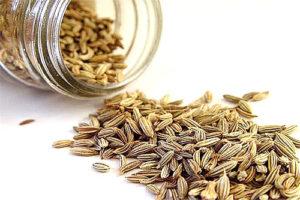
Before planting greens, it's important to do some pre-planting preparation. Seeds of these crops typically don't germinate immediately; it takes a considerable amount of time. Therefore, gardeners prefer to use methods to accelerate growth.
For this purpose, parsley seeds are treated with oxygen, using bubbling. The seeds are placed in special water, stirring occasionally.
Preparing the solution
Once the setup and container for the parsley have been successfully prepared, it can be filled with the substrate. This substance is sterile, so it contains no additives. To function properly, the substrate must be resistant to humidity or other irritants, as it serves as support for the parsley roots. Anyone can make this substance themselves.


First and foremost, you need to ensure you have clean, contaminant-free water. Gardeners use a water-soluble fertilizer for preparation. It contains all the nutrients needed for healthy greenery.
The salt concentration in the solution should not exceed 3 grams per liter of liquid. Failure to do so will result in parsley dehydration. If you don't want to prepare the solution yourself, you can purchase it at a specialty store.
Planting greenery
Once everything is ready, the parsley is planted in the substrate at a rate of 1 gram per square meter. This area should then be watered generously, ensuring sufficient moisture for successful germination. To enhance the effect, experts recommend adding fertilizer to the water.

Once watering is complete, cover the containers with plastic film to create a greenhouse effect. When growing greens in a greenhouse, drip irrigation should be used after the sprouts emerge. This process involves a separate water supply for each plant. This system delivers water directly to the root system through special pipes and drippers.
This method's popularity stems from the fact that it saves on labor and the purchase of stimulants. During the growing process, it's important to ensure the plants don't become overwatered or dry out. Watering should be done every seven days. Otherwise, the plant's root system won't be able to absorb the necessary nutrients.
The consequences of this condition of parsley are various diseases leading to the death of plants.
Humidity and temperature mode
Failure to monitor humidity and temperature levels will result in deviations, negatively impacting parsley growth and increasing the risk of disease. The optimal conditions are as follows:
- the first days after sowing – 90-100%;
- 14 days after planting – 75%.

Pests and diseases
Powdery mildew remains the main problem parsley faces during its growth period. This disease can be recognized by signs of a white coating on the leaves. If no such problems are noticed, pay attention to the rate of growth of the greens. If affected plants are discovered, they should be immediately uprooted and placed in a location as far away from other healthy plants as possible.
After two leaves appear on the plants, it is recommended to treat them with fungicides. Aphids are another problem that can cause irreparable damage. These pests are attracted to parsley sap. You can identify this problem by examining curled and dried leaves.

Harvesting
One of the most frequently asked questions about growing parsley hydroponically concerns the time from planting to harvest. On average, it's ready to harvest after 1-1.2 months. To do this, you can trim the tops of the leaves with a regular knife.
The sprouts should be left to produce a second harvest. If the seeds were previously bubbling, the parsley will grow in less than a month. Regardless of How long will parsley grow?To ensure adequate timing, it is necessary to take care of it, taking into account all the rules for pest control.

Cleaning equipment
Once the harvest is complete, it's important to thoroughly clean and disinfect the equipment. After the system has drained, it should be thoroughly cleaned to remove plant debris. For flushing, it's common to use watering with hydrogen peroxide added to the water.
This procedure should be performed at least twice. If coconut coir was used for growing, gardeners recommend rinsing the equipment with boiling water to remove fungi and harmful bacteria. Afterward, the system should be thoroughly dried in the fresh air.
Related posts:
 How to grow parsley in the open ground at your dacha, planting and care instructions, and harvesting times
 Proper sowing of parsley in open ground before winter, which variety to choose, planting and care
 The best recipes for harvesting parsley for the winter at home
 When is the best time to plant parsley seeds in open ground, growing and care
 How to grow parsley on a windowsill in winter and recommendations for caring for the crop at home
 The use of parsley root for medicinal purposes, properties and contraindications for use
 The medicinal properties of parsley for the human body and contraindications, methods of application
 The benefits and harms of parsley during early and late pregnancy, and when it is prohibited to consume the herb