The most common and dangerous infestation is aphid infestation on parsley. Young plants with good greenery begin to become diseased and wither. This is dangerous because aphids spread quickly. Without proper control, they will spread throughout the entire garden.
There are many ways to combat this tiny pest. They include both folk remedies and specialized poisons available at gardening stores.
Aphid habitat
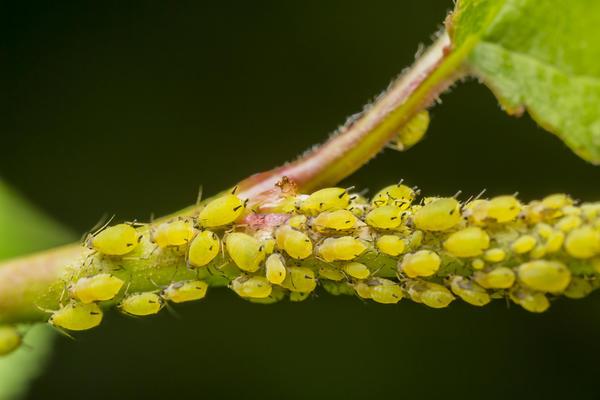
Aphids nest on the leaves, stems, and even the root system of the plant. A shoot infested with aphids begins to weaken and wither. The insects suck the sap from the stems, draining their vital energy.
Aphids spread very quickly. A healthy female can produce up to 50 generations in a single season. Without timely control measures, this can have negative consequences for the entire garden. Aphids can settle on dill, roses, cucumbers, flowers, bushes, trees and so on.
Ants spread the pest, transporting the aphids to young shoots. Aphids most often settle on young, newly emerged leaves, as they contain the most sap.
At the initial stage, the infestation is small and can be quickly eliminated. The most important thing is to identify the pests early and prevent them from spreading.
Methods of control
What's the best way to control aphids? There are many methods. They generally involve spraying with natural products. Mild chemicals are also appropriate, including laundry soap, liquid baby soap, and dish soap.
Methods of influencing the pest:
- spraying with soap or other safe detergent;
- treatment with products prepared from other plants that aphids are afraid of;
- treatment with cigarette smoke or tobacco tincture;
- attracting birds and insects that feed on aphids;
- planting plants next to the bed whose smell repels aphids.
Avoid using strong chemicals, as the parsley leaves will absorb them, rendering them unfit for consumption. Many aphid control tips call for kerosene. However, this is strictly prohibited for parsley. After treatment, the parsley will be unfit for consumption.
Prevention as the main method of control
Preventative measures play a significant role in controlling small pests. Small bird feeders can be placed in the garden as a preventative measure. Sparrows and tits that visit the garden will spend a long time in the garden, simultaneously battling aphids.
Plants that repel aphids can be placed near the parsley bed. For example, consider planting:
- onion bed;
- garlic;
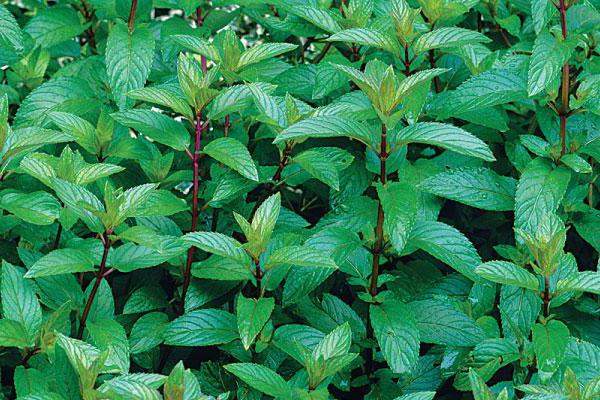
- mint;
- several bushes of medicinal chamomile;
- lavender.
It's also important to carefully examine the plants growing near the parsley bed. They can attract aphids, including petunias, roses, cucumbers, and viburnum.
How to treat aphids on parsley
Only safe preparations and products are suitable for treatment. These may include various medicinal plants and food products.
Folk remedies for parsley pest control:
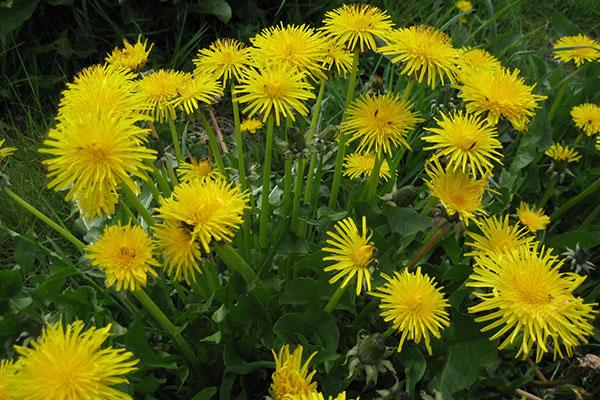
- Dandelion. Pour boiling water over several plants and let it steep. Once the liquid has cooled to room temperature, strain and spray the plants. Spray the entire bed, not just the affected plants.
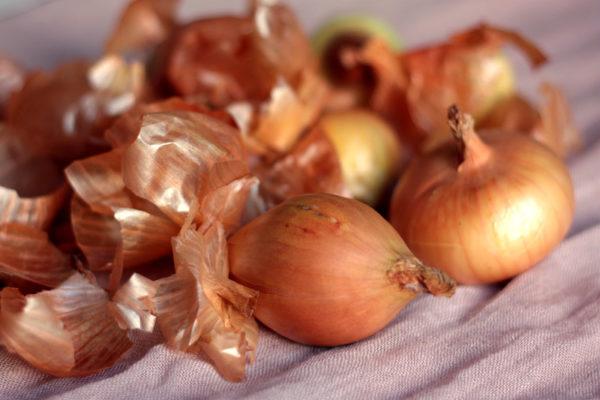
- Onion peels. To prepare this remedy, you'll need a bowl of onion peels and water. Soak the ingredients in a liter jar and leave for a week. After the allotted time, you're ready to begin treatment.
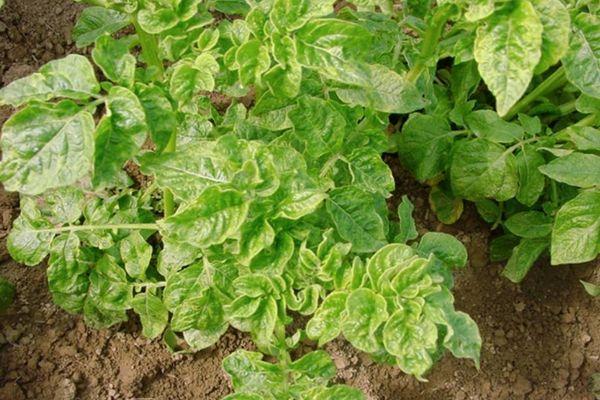
- Similarly, you can prepare an infusion from potato or tomato tops.
- Place several hot pepper pods in a liter jar and pour boiling water over them. Let it steep for 5 hours. Then strain the mixture and dilute it in 10 liters of water. Wear rubber gloves when preparing and handling the mixture. Repeat the procedure after 10 days.


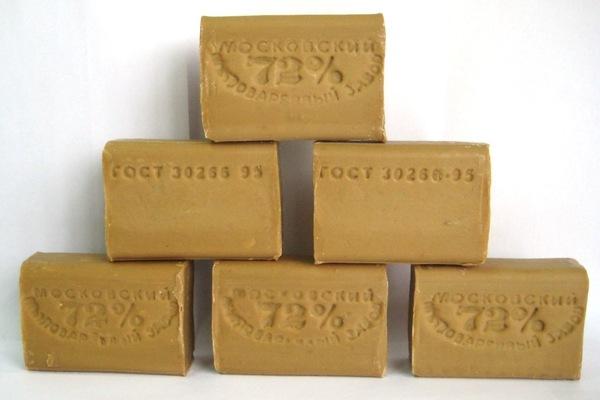
- Laundry soap. Dissolve a small bar in a liter of water. To help the soap dissolve faster, you can grate it first. Spray the plant using a spray bottle or a special gardening tool.
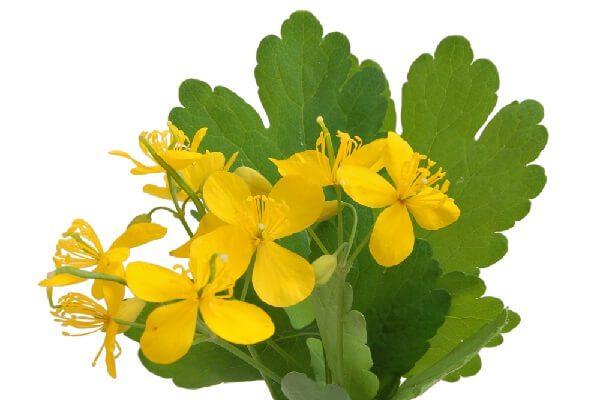
- Celandine. Soak a bunch of stems in water and let steep for two days. Strain the liquid and use for spraying.
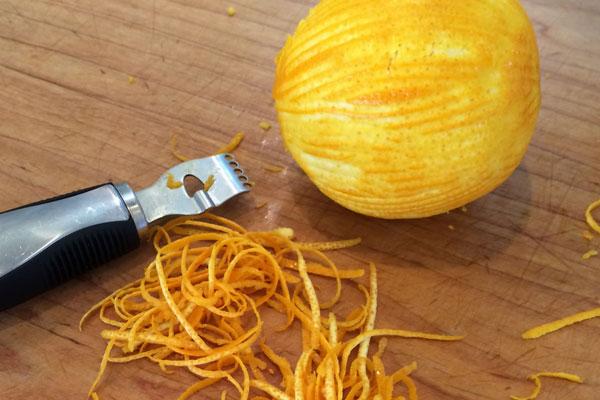
- Citrus zest. Carefully peel off the brightly colored outer layer of the orange or lemon peel. Pour a liter of boiling water over the peel and let it steep for three days. Strain the solution and apply to the affected plants.
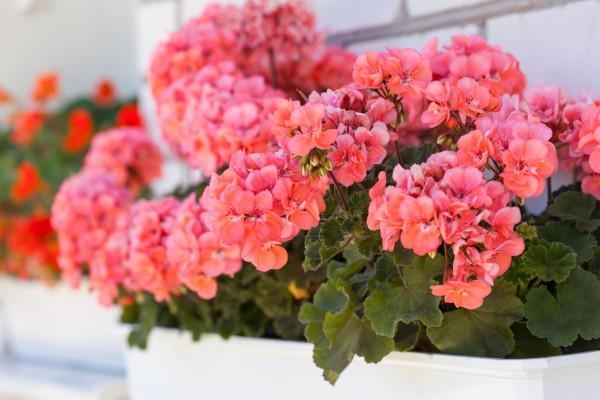
- Pelargonium (geranium). If aphids are infesting your windowsill plants, place a geranium plant nearby. The scent of the flower repels aphids.
- Tobacco. If you don't have regular dried tobacco, you can extract it from cigarettes. Open three cigarettes and empty the contents into a container, cover with water, and let it steep for 24 hours. Apply to diseased plants. Can be used as a preventative measure.
Add a few shavings of laundry soap or a small amount of liquid soap to any of the above infusions immediately before use. This will allow the infusion to adhere better to the plant leaves.

Getting rid of insects on cut greens
If aphids are found on greenery after cutting it, treatment is necessary. Fill a container with water and dissolve a tablespoon of table salt. Place the plants in the salt water and let them soak for 20 minutes. Then remove the greenery and rinse under running water.
This procedure can be repeated several times until the aphids are completely gone. After this, the greens can be used for cooking without worrying about anyone spotting a tiny bug on their plate.
Related posts:
 Causes and treatment of eggplant pests and diseases, how to combat them at home
 Which pests are eating cucumber seedlings in a greenhouse, what to do, and how to treat them?
 Pests and diseases of gooseberries and their control using chemical and folk remedies
 Treatment rules and 20 best remedies for dealing with aphids on apple trees
 How to control aphids on grapes using chemicals and folk remedies
 How to treat peppers for aphids, how to fight them with folk and chemical remedies
 How to control aphids on currants using chemicals and folk remedies
 How to control aphids on raspberries during flowering and fruiting, what to treat them with