
Among the many fruit and vegetable preserves in a housewife's arsenal, appetizers hold a special place, as meat dishes form the mainstay of the winter menu, and adjika perfectly enhances their flavor. The original recipe for "Zamanikha" adjika for the winter will allow you to prepare a delicious appetizer without much effort.
Features of preparing adjika
There are several different recipes for adjika, each with its own unique ingredients. For example, some people add carrots and apples to the dish.
But the classic recipe calls for tomatoes and bell peppers as its main ingredients. Preparing adjika isn't difficult, but the vegetables need to be chosen carefully.
Choose the ripest and freshest tomatoes and peppers (ideally straight from the garden) to enhance the flavor of adjika. This is the key to making zamanikha.
Each housewife adds additional seasonings according to her own taste or desire to experiment, but the recipe does not call for anything other than salt, sugar, pepper, and garlic.
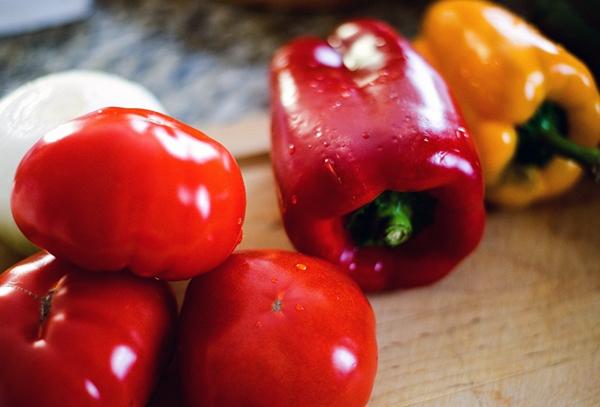
Preparation:
- We pass the tomatoes through a meat grinder.
- Select a saucepan with a thick bottom, pour oil into it and bring to a boil.
- Add tomatoes, salt, and sugar. Stir. Simmer for about 60 minutes.
- Pass hot and sweet peppers, as well as garlic, through a meat grinder.
- After the tomatoes have boiled for 1 hour, add the pepper and garlic to the pan and leave to simmer for another quarter of an hour.
After cooking, adjika can be rolled into jars or served (cooled).
Selecting and preparing the main ingredients
Once the ripest vegetables have been selected, they must be thoroughly cleaned of any dirt and rinsed under running water. Then, they are dried and ready for peeling.
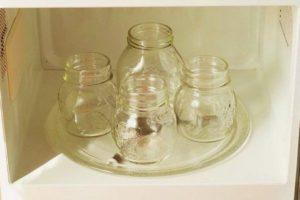
Peppers (bell and hot) are peeled, stemmed, and seeds are removed, and tomatoes are stemmed. Garlic should also be separated into cloves and peeled.
Recipes for making adjika "Zamanikha" for the winter
The most popular recipes for preparing this snack are the classic method and adjika with carrots and applesThe preparation process varies slightly. However, there are some nuances.
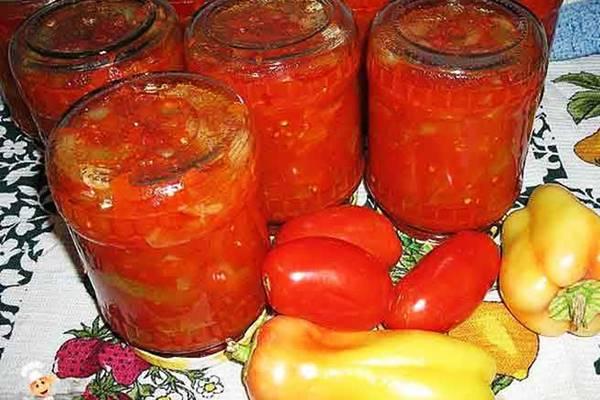
The classic way
Classic adjika sauce has been around for a long time. Its traditional preparation is most popular in our country and abroad.
To begin, the hostess will need the following products:
- Three kilograms of tomatoes (select the ripest ones).
- 8 pieces of sweet pepper.
- 4 hot peppers.
- 5 medium heads of garlic.
- A glass of sunflower oil.
- A glass of sugar.
- Three tablespoons of salt.
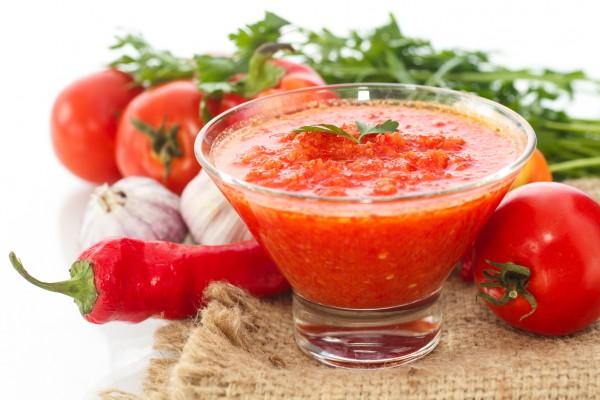
This recipe is perfect for those who enjoy a spicy kick. If you prefer a sweeter flavor, reduce the amount of chili pepper.
It's best to taste the finished adjika for salt and pepper after it's cooled, as its flavor is slightly different from that of the hot sauce.
With carrots and apples
If you love experimenting and want to go beyond the classics, this recipe for Zamanikha adjika with carrots and apples is for you.
This dish differs from the classic one in its unusual taste, which is imparted by apples.
To prepare you will need:
- Tomatoes, 1 kilogram.
- 0.8 kilograms of apples.
- Carrots – 4 pieces.
- 2 hot peppers.
- A glass of sunflower oil.
- 50 grams of salt.
- Ground black pepper.
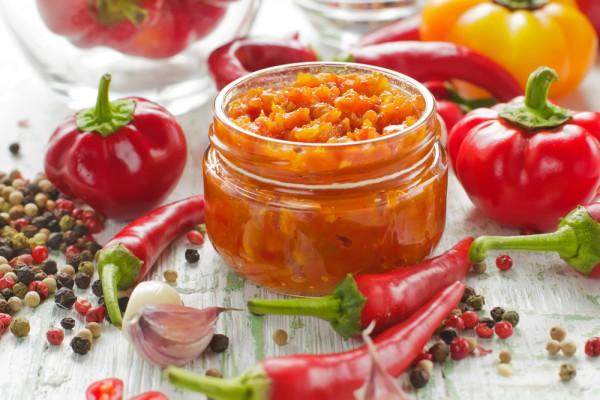
This recipe differs from the classic one in that the apples and carrots are also minced and added to the tomato mixture. Simmer for an hour, stirring occasionally. Then add the garlic, sugar, and salt.
The resulting sauce should be placed in sterilized jars. Once they have cooled, they can be stored.
Product expiration date
When stored properly (in a cool, dark place away from direct sunlight), adjika "Zamanikha" can last all winter.
It's best to use it within 3-6 months of canning. This snack is considered seasonal and should not be prepared in advance, but only for the coming winter.
How to store adjika
Typically, this product is canned in small jars (0.5 liters). To prepare for storage, the product should be placed in jars and sealed before it cools.
Once all the jars are ready, wrap them in a blanket and let them sit like that until they reach room temperature.
Only after this are the jars of adjika transferred to a storage area (basement, cellar, or pantry). The main thing is that the storage area is at a comfortable temperature (not too hot) and that the jars are not exposed to ultraviolet radiation (direct sunlight).
Related posts:
 15 simple recipes for pickling tomatoes in jars for the winter
 TOP 17 recipes for pickled sweet tomatoes for the winter
 TOP 12 recipes for making lecho from bell peppers for the winter. You'll lick your fingers.
 Delicious recipes for canned tomatoes with honey for the winter, preparation steps
 Top 11 recipes for making lecho with carrots and onions for the winter
 Planting, growing, and caring for bell peppers in open ground
 Why are pepper leaves turning white? What to do and how to feed them in a greenhouse and in the ground.
 Planting, growing, and caring for peppers in open ground in the Moscow region: the best varieties