
Many housewives preserve tomatoes for the winter. If preserved properly, they will last for 2-3 years. However, sometimes preserves are prepared incorrectly, causing them to become cloudy. Therefore, it's recommended to understand in advance why tomatoes are becoming cloudy in jars and what to do about it.
Why do tomatoes in jars become cloudy?
Even when using reliable and time-tested recipes, you can't be 100% sure that your preserves won't spoil. There are several common reasons why tomato brine becomes less clear.
These include the following:
- use of low-quality tomatoes that show signs of rot;
- poor rinsing of vegetables used for canning;
- use of unsterilized glass jars;
- poorly sealed jars, into which oxygen gradually penetrates;
- failure to observe proportions and adding a large amount of vinegar liquid or salt.
Can you eat tomatoes in cloudy brine?
Many people whose tomatoes have turned cloudy after canning are wondering whether they can eat these tomatoes.
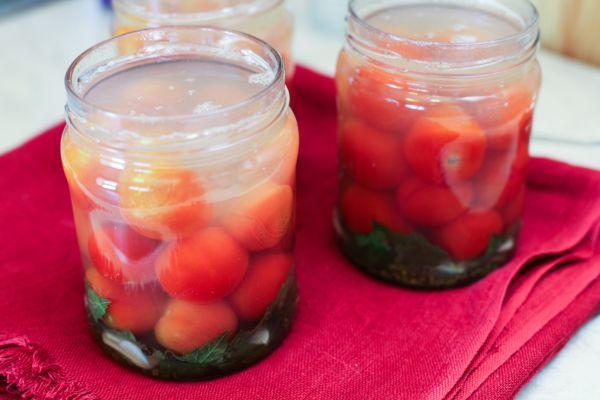
Cloudiness of the brine in the jars indicates that the fermentation process has begun. Fermented vegetables are harmless to the human body and can therefore be consumed if desired.
However, they can only be eaten if the lids on the jars haven't bulged. If they do, botulism is developing. Such canned foods are contraindicated, as they actively develop E. coli, which is harmful to humans.

What to do if the brine becomes cloudy: reworking cloudy preparations
Pickled tomatoes that have started to turn cloudy shouldn't be thrown away immediately, as they can be reused. To do this, it's recommended to open all containers of tomatoes and move them to a cool, dark place. They should be kept in this environment for about a week and a half. If the brine has cleared up, the tomatoes can be re-canned and stored in the cellar.
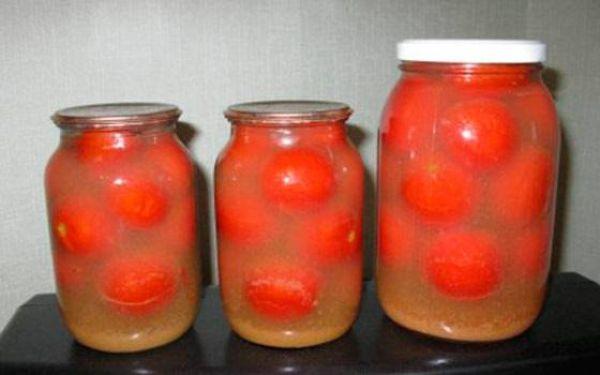
To do this, perform the following steps:
- Remove the vegetables. First, remove the tomatoes from the container, rinse with water, and place them in the brine.
- Drain the brine. After removing the vegetables, drain the cloudy brine and sterilize and rinse the container.
- Preparing the marinade. Pour the new marinade and tomatoes into the cleaned jars, then seal the jars with lids.
How to avoid clouding of canned food in the future?
There are several recommendations that should be followed to prevent canned goods from becoming cloudy in the future:
- Carefully sorting tomatoes. All tomatoes to be canned are sorted. This is done to remove any rotten ones.
- Sterilization. To reduce the likelihood of brine clouding, sterilize the container.
- Careful sealing. Canned goods must be sealed so that the neck is tightly closed. There should be no cracks that could allow air to enter.
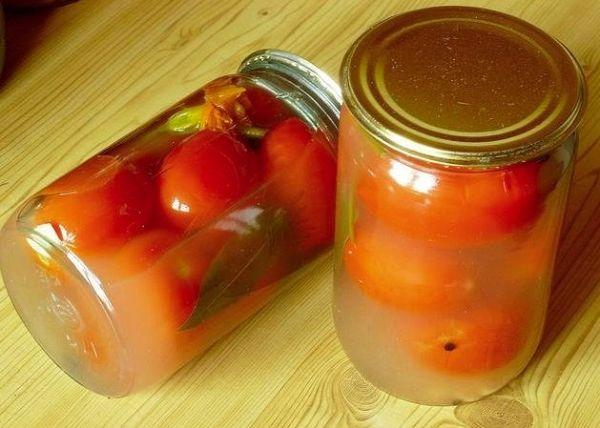
Basic requirements for container sterilization
Before canning, you should learn how to properly sterilize jars. The simplest method is to use boiling water. To do this, place the jars upside down in a large saucepan and fill the container with water. Then place the saucepan on a gas stove and boil the water for twenty minutes. This time is enough to sterilize the glass jars and remove bacteria.
Conclusion
Sometimes after canning tomatoes, the brine in the jars begins to become cloudy. Therefore, it's important to understand the causes of this cloudiness and how to fix the problem in advance.
Take a look Also
Related posts:
 Why potatoes aren't growing well in the garden, and what to do to ensure a bountiful harvest
 What fertilizers and when to use for feeding tomatoes in a greenhouse
 The benefits and harms of ginger for the female body, medicinal properties and contraindications
 What is the best way to feed tomato seedlings to make them plump?
 Rules for growing tomatoes in open ground, choosing a variety, planting and care
 The best grape varieties for growing in the Urals, planting and care rules in summer
 How to prepare tomato seeds for planting seedlings
 The benefits and contraindications of lentils for the human body