
- Can zucchini be frozen?
- How to choose vegetables for winter storage
- Preparing the refrigerator
- Methods for freezing zucchini at home
- Freezing fresh zucchini rings
- Diced
- With vegetables and rice
- With greens
- For baby food
- Freezing fried zucchini
- Zucchini puree
- Freezing grated zucchini
- Temperature and storage periods
- Rules for defrosting zucchini
Many housewives, when preparing zucchini for the winter, go beyond canning and opt for a more convenient storage method: freezing. Heat treatment is usually avoided, so all the beneficial elements and vitamins are preserved. Preserving zucchini isn't particularly difficult, but it's best to first understand how to freeze zucchini for the winter and what steps to take. There are many recipes that can be successfully applied, significantly reducing cooking time in the winter.
Can zucchini be frozen?
Zucchini is a short-lived vegetable, so it's necessary to invent all sorts of ways to preserve it, allowing you to enjoy its delicious flavor for a long time. The simplest and most accessible storage option, if your freezer has the capacity, is to freeze pre-prepared pumpkin.
Zucchini retains its nutritional and flavor properties during storage, and its color remains virtually unchanged. It can be used in a variety of dishes, and home cooks often prepare it as a semi-prepared version that only needs to be reheated or fried.
How to choose vegetables for winter storage
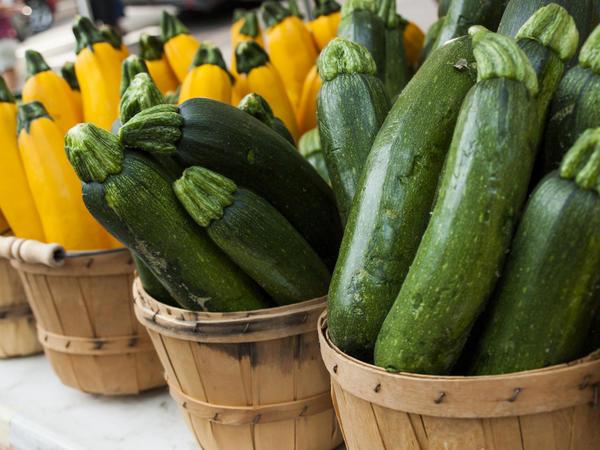
Only unripe fruits are recommended for freezing. You can easily check ripeness by pressing your fingernail into the tender skin. If it pierces easily and clear juice flows out, use the fruits for making ready-to-eat meals for the winter.
If the skin is difficult to remove, you will have to remove it completely along with the seeds.
You should also check the zucchini for any signs of rot or dry spots. If there are any, remove them with a sharp knife down to the healthy tissue.
Preparing the refrigerator
Before storing zucchini preserves, it's recommended to defrost the refrigerator. Be sure to clean the shelves and walls of the unit. Turn the refrigerator on only after all surfaces are completely dry. It's recommended to set aside a separate shelf for storing semi-prepared zucchini. If you're only storing a small amount, clearing out some space in the drawer will suffice.
Methods for freezing zucchini at home
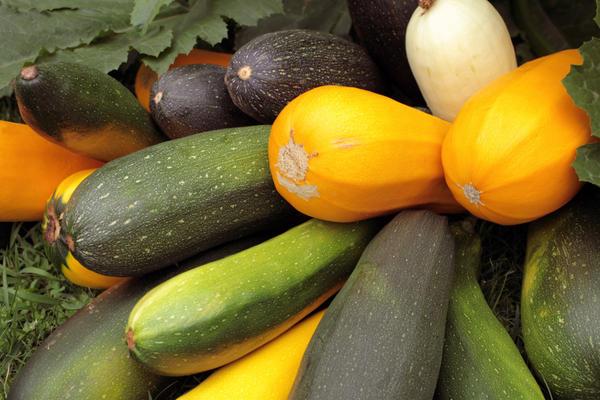
There are many ways to prepare vegetables for freezing, so it is recommended to first decide what dishes the prepared vegetables will be used for.
Send the zucchini to the freezer:
- fresh;
- fried;
- boiled.
Depending on the preparation, there are also several types of cutting - rings, cubes, grater.
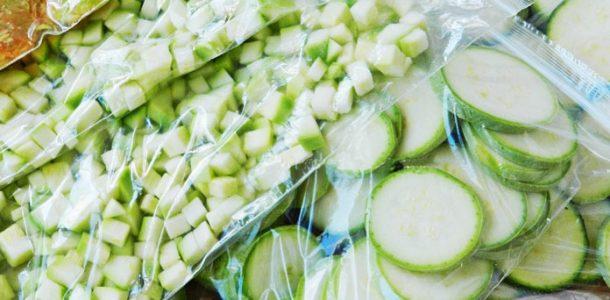
Freezing fresh zucchini rings
The easiest way to preserve vegetables is to simply freeze them after slicing. Properly prepared vegetables will keep for many months. Long-term freezing does not affect their flavor.
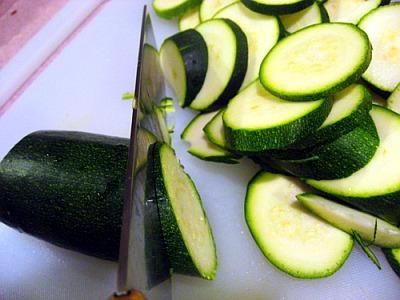
Step-by-step preparation of zucchini for storage in the freezer:
- Wash small vegetables, dry them, there should be no moisture.
- Cut into thin circles with seeds and skin.
- Divide into portions into bags.
- Tie the bags tightly and place in the freezer.
It is not necessary to add salt or spices before storing; it is better to do this during the cooking process.
Diced
To use vegetables in soups and stews, it is recommended to prepare zucchini cubes, which can then be added to the dish, brought to a boil, and simmered for a few minutes.
Preparation:
- Wash and wipe the vegetables and cut them into cubes with 1-2 cm thick walls.
- Place little by little into bags.
- Tie tightly.
- Freeze, shaking the package regularly to prevent the cubes from turning into one lump.
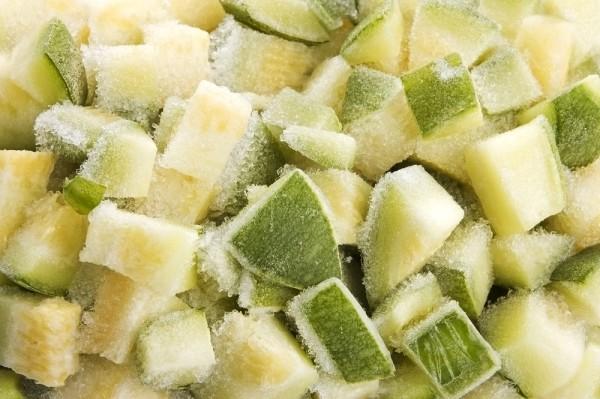 It's not recommended to use large trays or containers for preserving the zucchini. You won't be able to portion the zucchini later; you'll have to defrost the entire contents. Refreezing any cubes you don't need will result in a loss of flavor and darkening of the zucchini.
With vegetables and rice
A zucchini preserve with added vegetables is practically a ready-to-eat dish. In winter, all you need to do is defrost it, bring it to a boil, and add meat, spices, and potatoes if desired. Another option is to use it as a filling for pancakes and pies.
Preparation:
- Boil the rice grains until half cooked.
- Chop the zucchini, carrots, and onions into thin strips (take everything in equal parts).
- Mix, add spices to taste, and freeze.
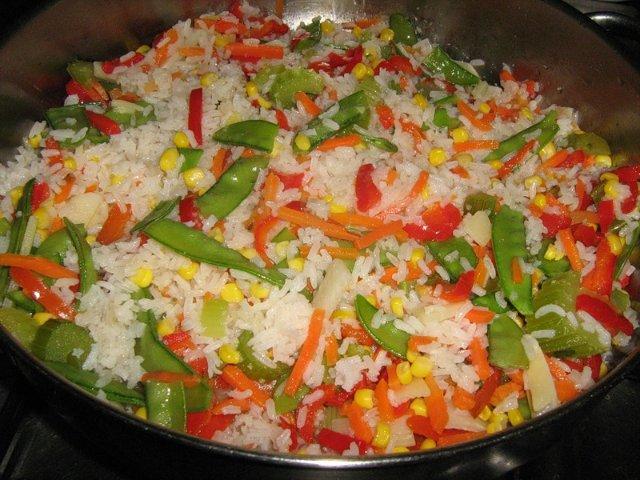
You can also prepare a semi-finished product with cabbage; this vegetable assortment is usually used for stuffing peppers or tomatoes.
With greens
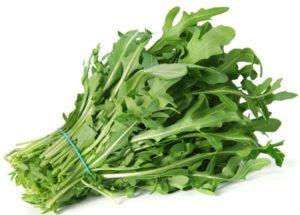
A recipe for zucchini with herbs is quite popular among housewives trying to preserve as many vitamins as possible for the winter. Any herbs are recommended, but parsley (leaves) and dill are most often preferred.
Preparation:
- Cut the pumpkin into random pieces (cubes, strips).
- Chop the greens (dill, parsley).
- Sprinkle generously over zucchini cubes and mix.
- Add spices as desired.
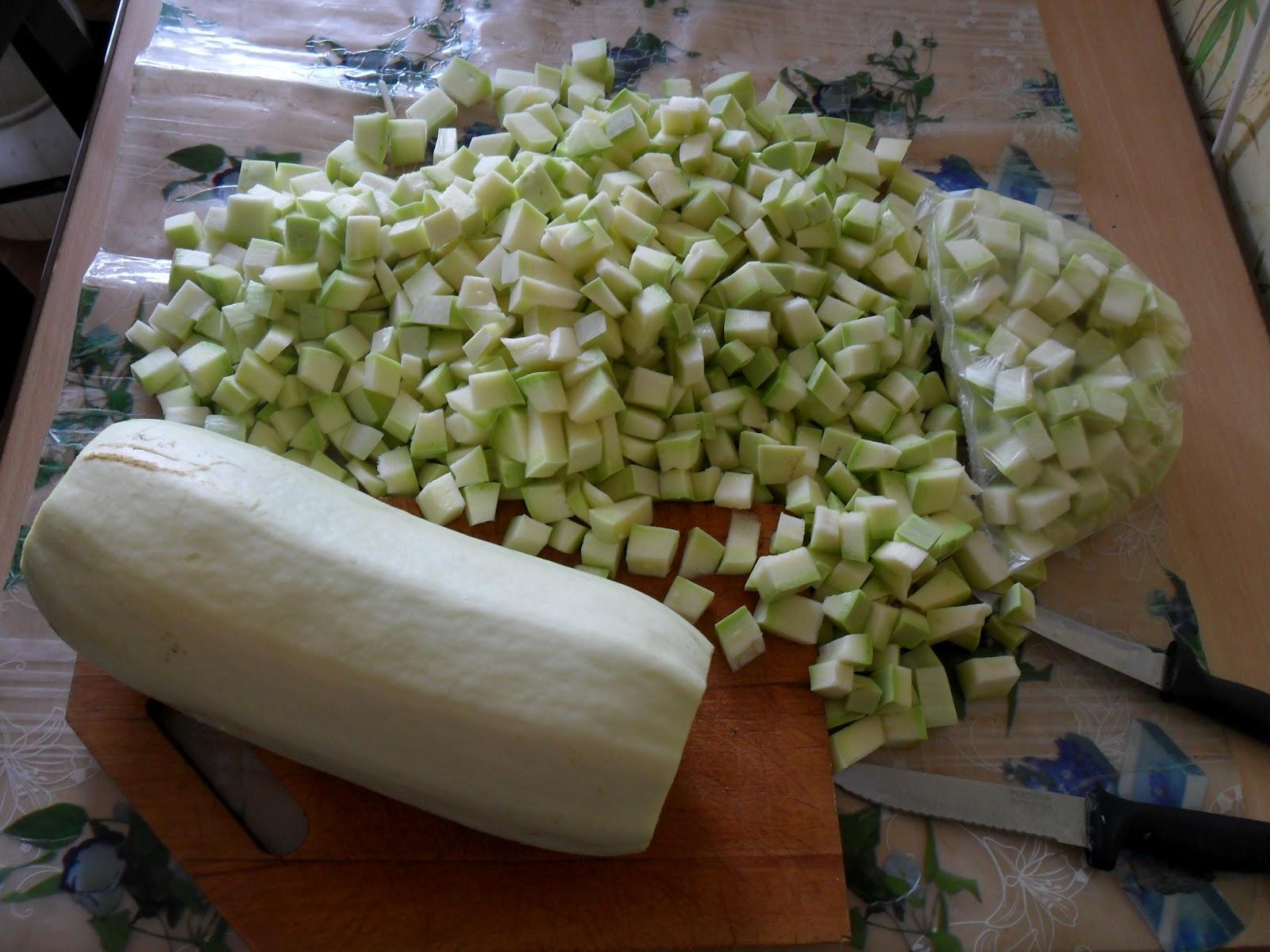
After packaging the product in small portions, place it in the freezer.
For baby food
New mothers often use zucchini when preparing baby food. Pumpkin has many beneficial properties, one of which is its hypoallergenic nature. This vegetable, no matter how it's prepared, doesn't cause allergic reactions in babies.
When freezing zucchini for a child, avoid buying vegetables from the store, especially in winter. They often contain numerous chemical compounds that can be harmful to the baby.
Preparation:
- Wash and dry home-grown vegetables.
- Cut into cubes.
- Bring water to a boil, place the raw materials in a colander into the boiling water.
- Blanch for 3-6 minutes.
- Remove to a napkin.
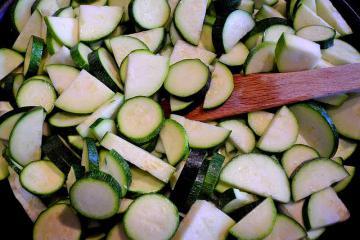
Place in small bags; the contents of one package should be enough to prepare one portion of complementary food for the baby.
Freezing fried zucchini
Pre-fried zucchini is also good for freezing. After freezing, it's recommended to reheat them; there's no need to re-fry them.
Preparation:
- Chop the zucchini into cubes, sprinkle with spices and salt.
- Heat oil in a frying pan (use only refined oil, otherwise the vegetables will be bitter).
- Place the prepared vegetables in the pan.
- Fry until done, be sure to stir regularly.
- Remove onto a napkin and wait for the excess fat to be absorbed.
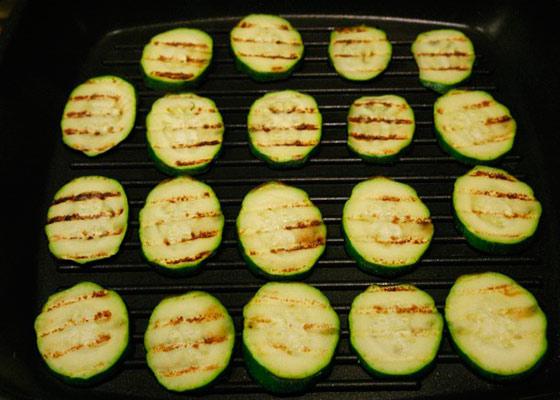
Divide the mixture into cubes, seal the containers tightly, or tie the bags. Freeze, stirring the cubes every hour until they are crumbly.
Zucchini puree
Preparing the puree will save you time on a side dish for the main course. After defrosting, the zucchini can be warmed up in a saucepan or microwave and served immediately.
Preparation:
- Chop the vegetables.
- Put it to boil, adding a small amount of water.
- After boiling, add salt.
- After a quarter of an hour, drain the liquid and puree it with a blender.
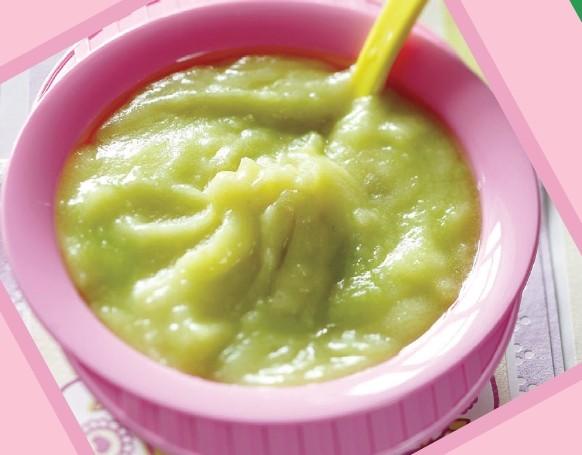
Place the puree into small containers and freeze the mixture immediately after it has completely cooled.
Freezing grated zucchini
Preparing grated zucchini is no different from freezing zucchini cubes. The only rule is to freeze the product first on parchment- or foil-lined baking sheets before placing it in containers.
Grate the vegetables coarsely and place them on paper towels before freezing to absorb excess moisture. Season with a little salt to prevent browning.
Temperature and storage periods
Household freezers, with temperatures ranging from -12 to -20 degrees Celsius (-53 to -78 degrees Fahrenheit), are ideal for freezing pumpkins. Deep freezing (around 25 degrees Celsius) is also safe, and will only speed up the process.
The shelf life of products is up to 8-10 months. Repeated exposure to low temperatures is prohibited; melted cubes or circles should be used immediately. If possible, do not remove frozen vegetables from the chamber, as condensation will form on the walls of the bags.
Rules for defrosting zucchini
Pre-cooked vegetables used for soups and stews don't require defrosting; you can simply place them in a saucepan and bring them to a boil. However, if additional cooking in a frying pan or oven is required, it's best to store them on the bottom shelf of the refrigerator. Do not defrost at room temperature; the ingredients will become soft and the color will change.
Zucchini is a vegetable revered in many families. By spending a little time in the summer, you can easily stock up on this valuable semi-prepared vegetable, which will be a great addition to your winter culinary creations, rich in vitamins and nutrients.
Related posts:
 TOP 20 simple recipes for pickled zucchini for the winter
 How to properly plant zucchini in open ground, cultivation technology and care
 How to cook fried zucchini with garlic for the winter, finger-licking good recipes and without sterilization
 Proper cultivation and care of zucchini in open ground, how to increase the yield
 What to do if the leaves of zucchini in open ground turn yellow and how to deal with it
 21 step-by-step recipes for making zucchini jam for the winter
 What is the best way to feed zucchini in open ground and greenhouses during flowering and fruiting?
 TOP 13 delicious recipes for spicy zucchini for the winter