
The Imperia f1 tomato, which has received only positive reviews, was bred in Russia, taking into account local climate conditions. The variety grows equally well indoors, outdoors, and in greenhouses. Farmers highly praise this tomato's yield, which significantly exceeds that of all other tomatoes grown today.
General characteristics of tomato
Imperia tomatoes produce their first fruits within 85-100 days after planting. This period depends on weather conditions and plant care. The bushes reach a height of 180-200 cm and require staking. Each branch has numerous offshoots covered in dark green leaves with a pungent, spicy scent. The inflorescences are simple, and pollination occurs on the first try.
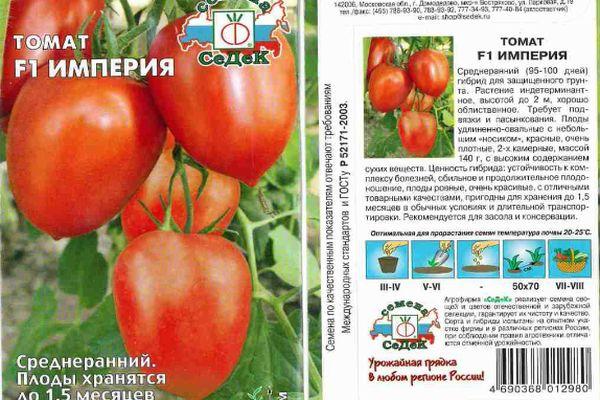
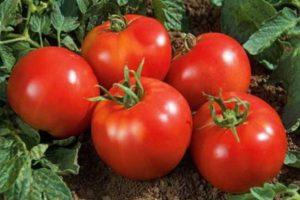
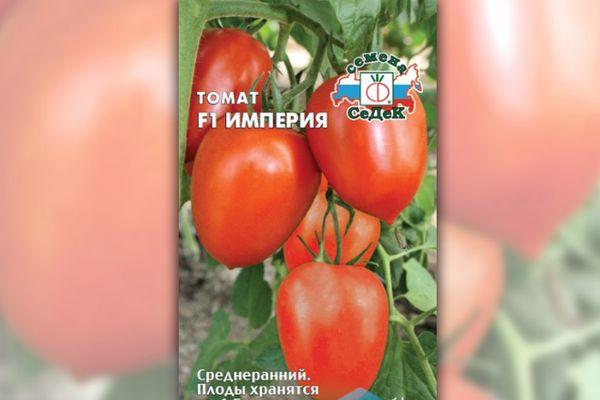
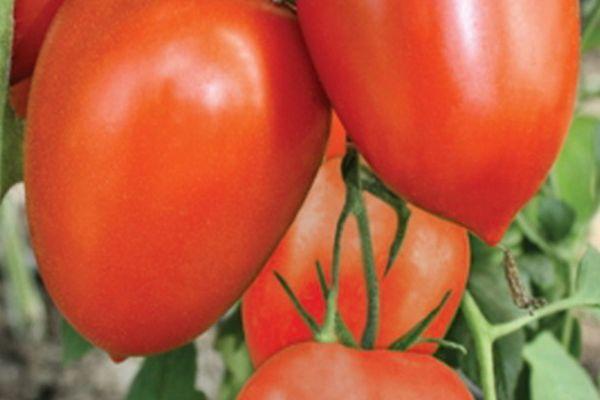
The variety's very high yield makes it popular among private gardeners and farmers. On average, a single plant yields 9 kg of tomatoes. The fruits are small, weighing up to 150 g. They are oval-shaped, slightly pointed at the base. Early ripening is bright red, gradually turning yellow. Consumers report a pleasant taste. They are eaten on their own, added to salads, first and second courses, dried, and canned.
The fruit's distinctive feature is its thick, strong skin. It protects the flesh from damage when dropped or transported.
This quality is appreciated by retailers who purchase Imperia tomatoes for sale in the winter and spring, when vegetable prices rise significantly. Even after six months of storage, the tomatoes retain their marketable appearance and flavor.
Pros and cons of tomatoes
Empire tomatoes have many advantages and benefits.
The following are worth noting:
- Strong immune system. Plants are resistant to virtually all known diseases that affect stems, leaves, and fruits.
- Resistant to temperature fluctuations, drought, and high humidity, this tomato easily withstands all the vagaries of weather typical of our country's climate.
- High germination rate. Almost all seedlings survive, both after sowing seeds and after transplanting the plants into the ground.
- Good shelf life. The fruits withstand storage and transportation well. They do not spoil even after being transported in the back of a truck on rough roads.
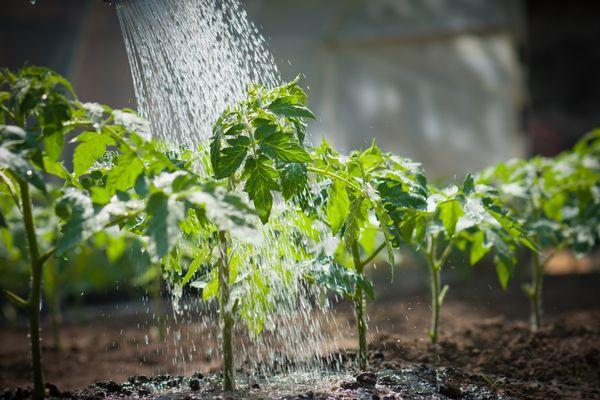
- Easy to care for. All you need to get a good harvest is regular watering, thorough soil loosening, and fertilizing.
- Excellent culinary properties. The fruits do not crack during canning or defrosting. They retain their color and flavor when dried.
The downside of the Empire variety is that each bush needs to be tied up. This requires tall, sturdy poles. Preparing, installing, and removing them requires additional time and effort. Not everyone likes the thick skin of tomatoes. The solution is to peel each fruit.
Reviews of the Imperia f1 tomato
Katerina, 33 years old, Primorsk:
"I'm incredibly happy I decided to grow this variety. Its yield is simply astounding: in good years, I've harvested 12 kg from a single plant. We have a large family, but the harvest lasted until spring, and we ate fresh tomatoes all winter. I stored them in the basement, stacked in cardboard boxes. Almost all the fruits survived these conditions, with only a few spoiled. I was also pleased with how easy it was to care for: I tied them up once, and then just watered and loosened the soil."
Vladimir, 61 years old, Krasnodar:
"Since retiring, I've been living at my dacha from spring until late fall. I have a lot of free time, so I decided to grow tomatoes. I planted several varieties, including 'Imperia.' It's the one that really took off in the garden—the tomatoes are delicious, easy to care for, and store well. The harvest was so large that I sold some of it. Now I'm growing tomatoes on an industrial scale, earning a good income. It's a nice supplement to my pension for a small investment, and I recommend it to everyone."
Anastasia, 25 years old, Volgograd:
"I have two children and don't work yet. In the summer, I take them to our dacha because the city is noisy and the air is very polluted. My husband suggested growing tomatoes so we wouldn't have to buy them at the market. We settled on the Imperia variety because we liked it the most."
The seedlings were prepared at home: the seeds were washed, planted in soil, then pricked out and watered. By spring, the plants were ready for planting. There was no greenhouse yet, so they were planted outdoors. Surprisingly, all of them sprouted and grew vigorously—the variety proved resilient and hardy.
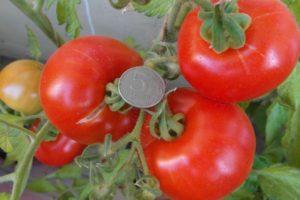
When the fruits started ripening, we were thrilled—they were so beautiful and delicious. By the end of the season, we'd harvested so much that my husband started driving them to retailers. So, for a small investment, we got a supply of vitamins for the entire winter and a financial boost to our family budget. I recommend it to everyone!"
Related posts:
 Description of the tomato Raspberry Empire f1 and characteristics of the hybrid variety
 Description and characteristics of the tomato variety Russian Empire f1
 Description of the best varieties of black tomatoes for open ground and greenhouses
 Description of the best tomato varieties for pickling and canning
 The best eggplant varieties for growing in a polycarbonate greenhouse: planting and care
 TOP 17 recipes for pickled sweet tomatoes for the winter
 Description of the best Dutch tomato varieties for greenhouses and open ground
 80 Best Eggplant Varieties for Different Regions with Descriptions and Characteristics