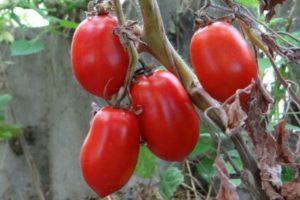
The Russian Empire f1 tomato is a hybrid variety. Distinguishing features of this variety include resistance to various diseases, high yield, and ease of cultivation.
The Russian Empire tomato variety can be stored for a long period of time (approximately 30 days). Because the fruit tolerates long-distance transportation well, many retailers readily purchase these tomatoes from farmers.
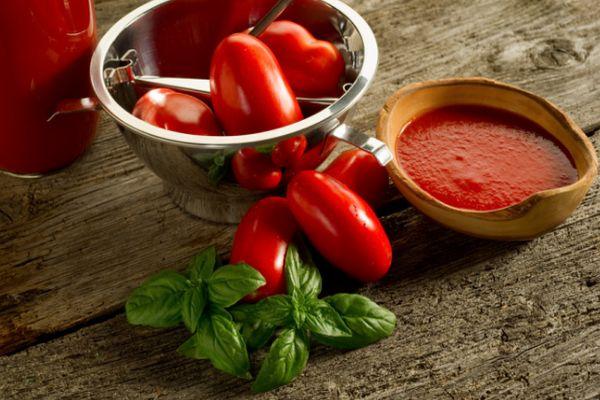
The fruits of this variety are used in soups and salads. Russian Empire F1 tomatoes can be canned (including whole tomatoes), used to make juice, tomato paste, and various sauces.
Brief information about the plant of the described species
The characteristics and description of the Russian Empire f1 variety are as follows:
- Tomato bushes grow up to 180-200 cm.
- The inflorescence on the plant is simple, the number of leaves is average.
- A cluster usually contains 6 to 9 fruits.
- The ripening period of the Russian Empire f1 variety from seedling to adult, fruit-bearing plant is from 105 to 115 days.
The fruits of this tomato variety are shaped like an elongated plum. They are quite dense, and have two internal chambers. The fruit is red. The taste of the Russian Empire F1 tomato variety is highly praised by experts and consumers. Each fruit can weigh up to 0.13–0.15 kg, although the average is 0.11–0.12 kg. Many gardeners manage to yield 7 to 9 kg of fruit per 1 m² of garden bed.
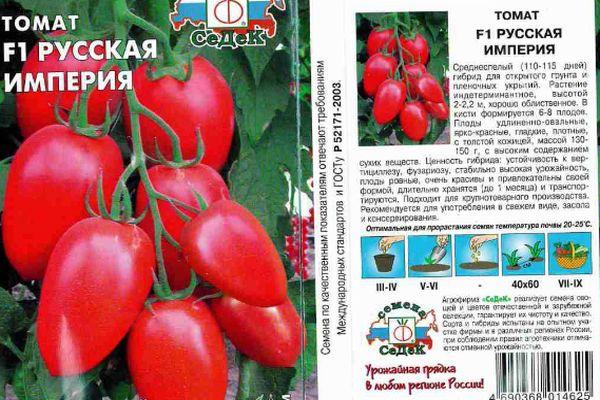
Reviews of the Russian Empire f1 variety show that farmers achieve high yields with timely and proper implementation of all agricultural practices. The variety's resistance to fusarium and verticillium wilt allows the plant to survive where other tomatoes fail.
The Russian Empire grows well in open ground in the southern regions of Russia. For gardeners in the central part of the country, the use of plastic cover when planting this variety is recommended. In Siberia and the Far North, these plants are grown only in greenhouses.
How to care for the plant?
It's important to note that the seeds of this variety that a gardener collects to grow seedlings do not inherit the genes of their parents. Therefore, seeds must be purchased annually from specialized seed companies.
Seeds for seedlings are sown 60 days before planting in prepared soil. It is recommended to take into account the climate of the region where the farmer or gardener lives. Pricking out should be done when the second true leaf appears.
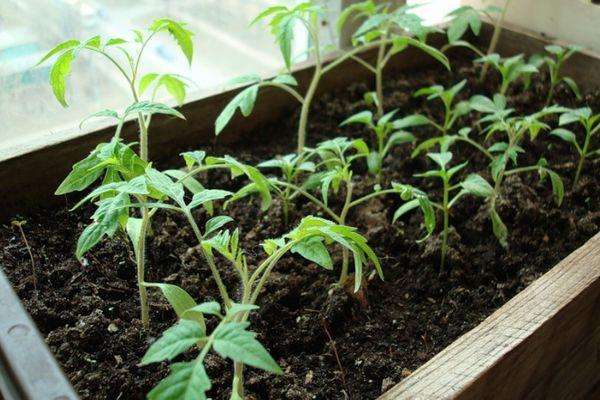
Before planting, it's best to harden off seedlings. To do this, take the sprouts outside on a specific schedule. On the first day, they should be outside for about 20 minutes.
The duration of subsequent "walks" for the seedlings should be gradually increased, bringing the time spent outdoors to 12 hours. This process continues for 7 to 10 days. After this procedure, which will relieve stress on the plants, the seedlings can be planted in the ground.
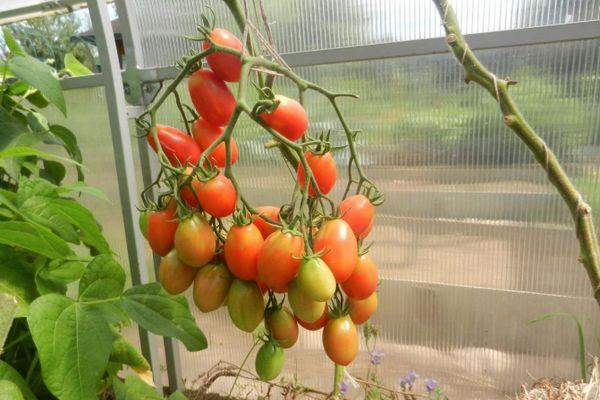
After this, as the bush grows, remove side shoots and tie the stems to supports. Experienced gardeners recommend planting no more than 6 bushes per square meter. Form the bushes into two stems. During the growing season, the plants should be fed with complex fertilizer twice. Hilling, weeding, and loosening the soil should be done in a timely manner. Water the bushes twice a week.
If a plant is attacked by garden pests, it should be treated with specialized products selected based on the type of pest infesting it. If the crop is grown in a greenhouse, a constant supply of fresh air should be provided to the growing bushes. This will improve the formation of the upper and lower clusters, resulting in uniform ripening of the fruit.
Related posts:
 Description and subtleties of growing the Russian Beauty pear variety
 Description of the tomato Raspberry Empire f1 and characteristics of the hybrid variety
 Characteristics and description of the tomato variety Imperia f1, consumer reviews
 Description and cultivation of the Korinka Russian grape variety
 Description of the best tomato varieties for pickling and canning
 Description of the Velika grape variety, cultivation and care tips
 Description of the Russian Soul tomato and cultivation of the variety
 Description of the best potato varieties of domestic and foreign selection