
The Vladimir f1 tomato belongs to the first-generation hybrid group. This variety can be grown in any soil type. It is grown in open fields in the southern regions of Russia. In the central and northern regions of the country, greenhouses are used for growing the hybrid. This tomato is used in salads, pickles, lecho, sauces, and ketchup. Vladimir berries produce excellent tomato juice. The fruits of this hybrid are canned for winter.
Technical parameters of tomato
The characteristics and description of the variety are as follows:
- Vladimir tomatoes ripen 100-105 days after planting. However, if the weather is rainy, the harvest will take 115-117 days.
- The bush grows to a height of 1.0-1.5 m. The stems bear a medium number of green leaves. The plant requires support by vertical trellises or supports. Lateral shoots are removed throughout the growing season.
- The hybrid has single-stemmed inflorescences. The first such formation appears under the ninth leaf, and all subsequent inflorescences develop every three leaves. For maximum yield, the bushes are trained into two stems.
- Each brush produces 4 to 6 fruits.
- The tomato fruits are spherical and brightly colored. They weigh up to 0.14 kg. By following all expert advice, gardeners can obtain berries weighing up to 0.18 kg. The tomato's skin is thick, allowing for easy transportation over any distance. Gardeners' reviews indicate that this hybrid sometimes produces irregularly shaped berries.
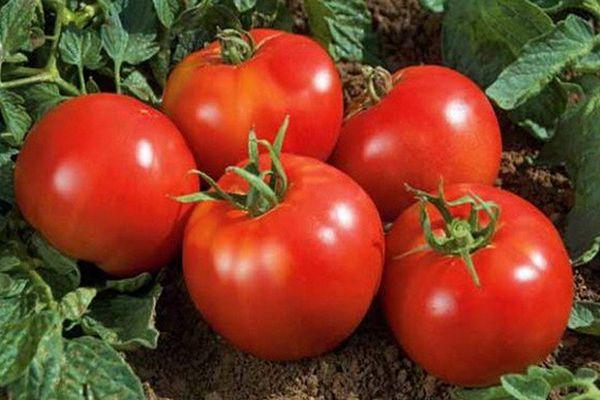
The tomato yield is quite high, with each bush yielding 4 to 5 kg of fruit. The hybrid is resistant to nightshade diseases such as tobacco mosaic virus, powdery mildew, and fusarium.
The plant tolerates temperature fluctuations but dies in drought or overwatering. A disadvantage of the hybrid is the need to purchase seeds every year; the farmer will not be able to obtain adequate planting material from the harvested crop.
Obtaining seedlings in a private garden
It's recommended to purchase seeds from a reputable producer. They are disinfected with a weak solution of potassium permanganate and then treated with growth stimulants. It's recommended to plant the seeds at a depth of 10-15 mm, leaving 2-3 cm between them. When the first sprouts appear after 6 days, water them with a small amount of warm water, and move the tomato boxes to a bright location. Once 2-3 leaves appear on the seedlings, transplant them.
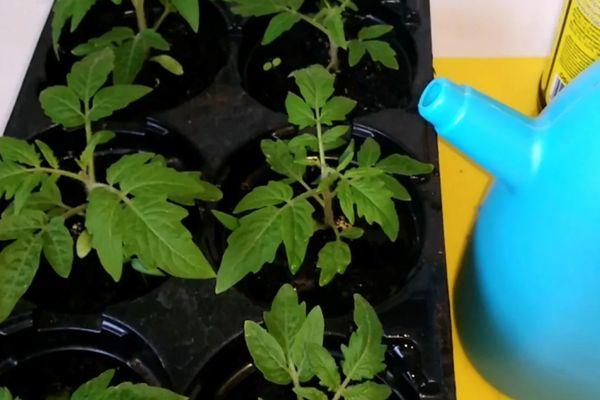
Young bushes should be transplanted to permanent soil when they are 60 days old. To do this, prepare the soil in the area. The beds are loosened, and organic fertilizer is added to the soil. It is recommended to plant no more than 3-4 bushes per square meter of bed. Plants should be planted vertically in the holes so their roots can reach the groundwater table. This type of planting saves the hybrid from dying during drought.
Before planting bushes in the beds, it is recommended to treat the soil with potassium permanganate to destroy bacteria and fungi living in the soil.
Caring for growing bushes
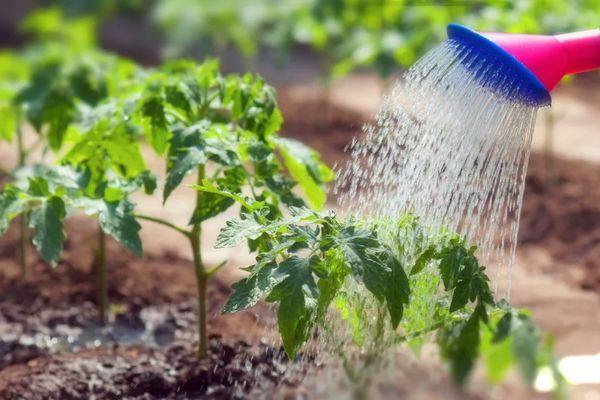
Water the plants with warm water, 26-28°C. The hybrid doesn't like large amounts of water, so water the bushes infrequently. If the weather is rainy, watering should be avoided. Avoid allowing puddles to form under the bushes, as this will cause root rot and the plants to die.
Before watering tomatoes, it's recommended to weed the beds once a week. This procedure reduces the risk of fungal and bacterial infections carried by weeds. Along with the weeds, some garden pests that feed on weeds and then migrate to the vegetables are also killed.

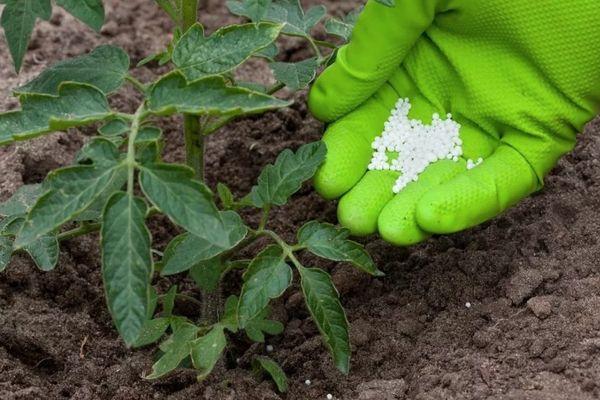
Tomatoes are fertilized at least 3-4 times per season. Initially, nitrogen and organic fertilizers (manure, cow manure, chicken manure) are applied. As the plants grow and flowers appear, the bushes are switched to potassium and phosphorus mixtures. When the first fruits appear on the tomato plants, complex mineral fertilizers containing phosphorus, nitrogen, and potassium components are used for additional feeding.
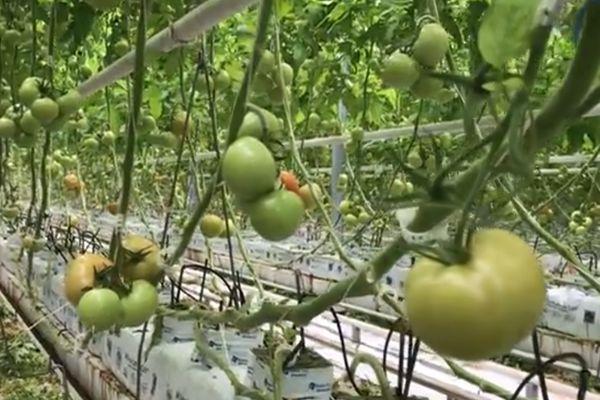
Loosen the soil under the tomato plants twice a week. This allows for good aeration of the tomato plant's root system, which positively impacts plant growth. Loosening the soil also kills some of the parasites that infest the plant's roots. Mulching the soil can also provide better aeration of the plant's root system.
If garden pests such as aphids, Colorado beetles, and other insects appear on tomato leaves, it is recommended to treat the bushes with toxic chemicals.
Related posts:
 Description of the Julian grape variety, planting and care instructions
 Description of the Krasotka grape variety, planting and care technology
 The best grape varieties for growing in the Urals, planting and care rules in summer
 Characteristics of the Japanese tomato, growing seedlings and caring for bushes
 Methods for planting and propagating cherries at home
 35 Best Powdery Mildew-Resistant Cucumber Varieties with Descriptions
 Description of the best varieties of black tomatoes for open ground and greenhouses
 The best eggplant varieties for growing in a polycarbonate greenhouse: planting and care