
The modern, early-ripening Strega tomato allows you to harvest fresh vegetables as early as early summer, when shortages are most noticeable. This hybrid boasts a consistent harvest, making it ideal for small farms and garden plots. Its resistance to adverse weather conditions makes it suitable for growing in various regions of Russia.
General characteristics of the variety
The bushes are indeterminate and tall, and can reach 1.5 m or more in greenhouse conditions. To obtain high yields per unit area, dense planting (4-5 plants per 1 m²) is recommended. formation of tomatoes in 1-2 stems. Under these conditions, the variety's yield is up to 24 kg per 1 m².
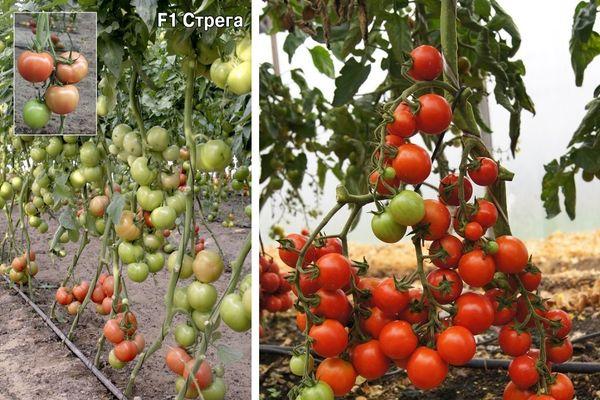
When grown outdoors, the tomato harvest may be slightly smaller (up to 20 kg). This reduction in fruit yield occurs because the last clusters fail to develop full ovaries. However, even taking this loss into account, Strega tomatoes are considered one of the highest-yielding hybrids.
Descriptions of the variety by those who have planted Strega note that the plant grows vigorously and produces numerous side shoots. One or two side shoots are left to form a bush, but the remaining ones should be removed as they appear. An overly dense bush can reduce yield. To reduce the formation of green mass, it is recommended to apply nitrogen fertilizers (organic fertilizers) in the fall, and in the summer, limit the application to a complex of minerals for flowering and fruiting (phosphorus and potassium).
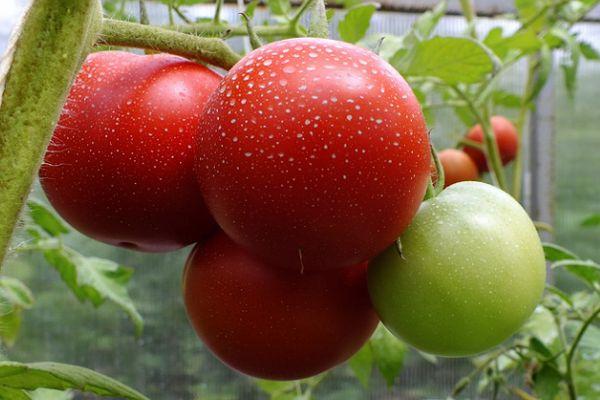
Strega tomatoes are not susceptible to fungal diseases. However, to prevent late blight, remove some of the lower leaves (up to 1/3 of the plant's height). In well-ventilated plots, tomatoes are virtually immune to this dangerous disease, and even late-harvested, unripe tomatoes ripen well in containers.

Description of the Strega tomato fruit
The Strega hybrid is a beefsteak tomato. This means that the plant produces large, flat-round fruits weighing approximately 300 g on average. The flesh of these tomatoes contains few seeds. Five to six fruit clusters grow on the bush. Each cluster produces an average of five fruits, which grow evenly and ripen almost simultaneously. Fruiting is prolonged, and the last fruits in the open ground can be harvested in early September.
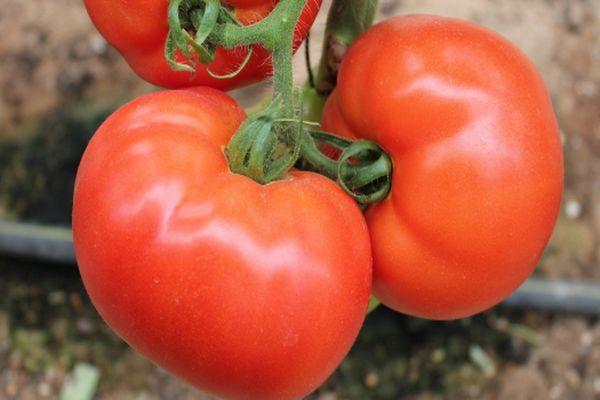
The skin of the fruit is thin but strong. The ovaries do not crack even under unfavorable growing conditions. Reviews from those who have grown these tomatoes note the excellent shelf life and transportability of ripe fruits. The skin color at biological maturity is bright red.
The flesh is dense, very juicy, and meaty. The seed chambers are barely visible when cut. The color is rich and uniform, with no light spots. Flavor profiles note a high dry matter and sugar content: the tomato is sweet with a slight piquant tartness. Those who grew tomatoes in rainy and cold summers report a decrease in flavor.
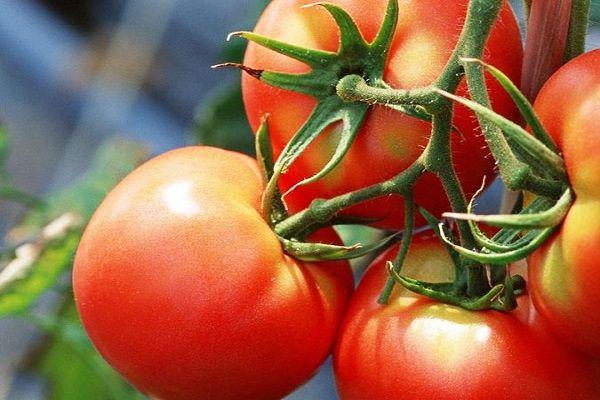
This variety is intended for fresh consumption. The harvest can be completed 80-90 days after germination, so fresh greenhouse tomatoes can be enjoyed as early as mid-June. They are ideal for sandwiches and gourmet appetizers, look impressive in salads and sliced foods, and are perfect for hot sauces and soups.
Tomatoes can be processed into juice and sauces. The intense color of the pulp allows for the production of classic tomato juice, while boiled down pulp is used to make lecho or ketchup. Only sliced tomatoes can be canned.
How to grow large tomatoes?
Sow seeds no earlier than two months before planting. This will ensure strong, vigorous, and not overgrown seedlings. Sow seeds in communal trays and germinate at 25°C. After 2-3 leaves appear, transplant seedlings to a distance of 10 cm. Avoid allowing the soil to dry out during seedling growth, as this weakens the plants.

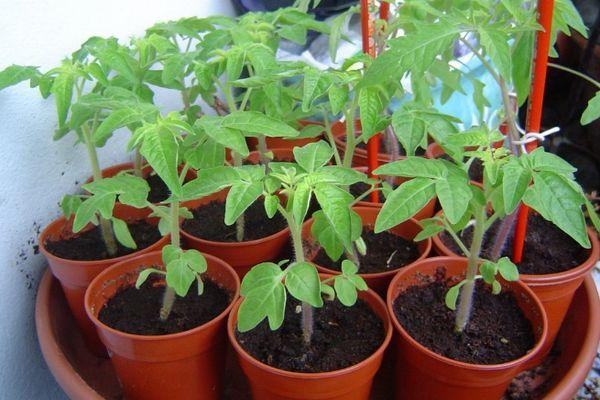
Planting occurs in mid- to late May. Depending on the cultivation method, greenhouses can be planted as early as the second ten days of May, and open ground can be planted after the last frosts have passed.
To prevent blossom-end rot, add chalk, fluff or similar material to the soil at a rate of 1 kg per 1 m².
Ten to fourteen days after planting, tomatoes are fertilized with a nitrogen-rich complex fertilizer (Nitrophoska, Kemira Plus, and others). To ensure good flower cluster establishment and fruit set, two additional applications of phosphorus-potassium mixtures (Signor Pomidor, Kristalon, and others) are applied. The first application of the nutrient solution occurs when the first flower cluster forms, and the second application is added to the irrigation water two weeks later.
Related posts:
 Description of the best varieties of black tomatoes for open ground and greenhouses
 The best eggplant varieties for growing in a polycarbonate greenhouse: planting and care
 What varieties of tomatoes are best to plant in a polycarbonate greenhouse?
 Description of the best tomato varieties for open ground in the central zone
 The best tomato varieties for growing in the Leningrad region for greenhouses and open ground
 Making finger-licking good eggplant caviar with peppers and tomatoes
 16 Best Quick Pickled Tomato Recipes for the Winter
 The best grape varieties for growing in the Urals, planting and care rules in summer