
The Boogie-Woogie F1 tomato was bred in our country and is ideal for growing on farms, in vegetable gardens, in glasshouses, and in plastic greenhouses. The advantages of this variety include long shelf life and durability during long-distance transportation. If the fruits are picked half-green, they ripen perfectly at room temperature. Let's look at how to grow the Boogie-Woogie tomato and a description of this variety.
Description of the variety
These tomatoes are considered high-yielding, early-ripening fruits. They ripen in 100-107 days, counting from the first day of planting. The bushes grow up to 1.3 m in height. This variety has a very robust root system, and the dark green leaves are medium-sized.

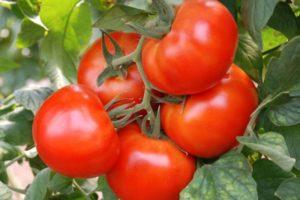
Each cluster produces 3-5 large tomatoes, each weighing 170 g. A single bush can yield up to 5 kg of fruit.
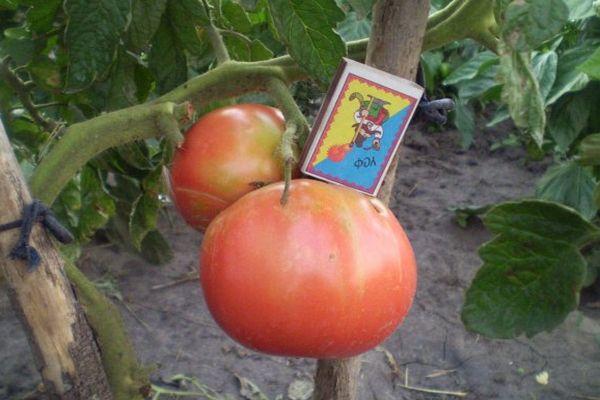
This variety is quite easy to recognize: it's dark pink. The skin is smooth, without stripes or spots. The tomatoes have few seeds, and the flesh is very juicy but not watery. This variety can be used in a variety of dishes, eaten fresh, or pickled.
Fruit characteristics and cultivation
Below, we'll discuss the characteristics of the Boogie-Woogie variety and its growing requirements. The Boogie-Woogie F1 tomato thrives in full sun. Grown outdoors in warm sunlight, it develops a sweet flavor. To prevent the plant from becoming infected with a fungal disease and starting to rot, it is necessary to follow a watering regime and maintain low humidity in the room.
To achieve this, ventilate the room frequently and avoid overwatering the soil. When watering, try not to touch the leaves and stems; it's best to keep them dry. The optimal air temperature is 23 to 25°C.
As with most hybrid varieties, typical tomato diseases are:
- fusarium;
- Verticillium wilt;
- nematodes;
- tobacco mosaic.
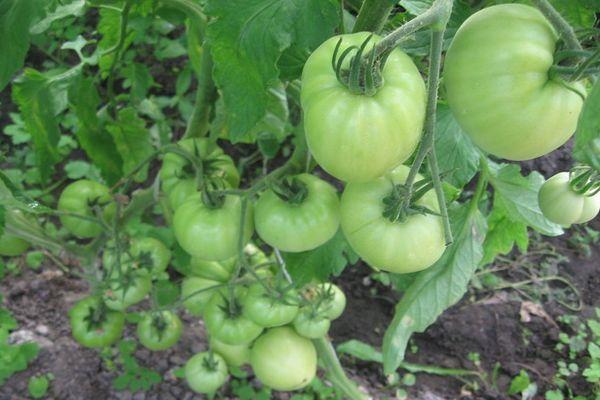
Tomatoes are almost never affected by late blight because they ripen early.
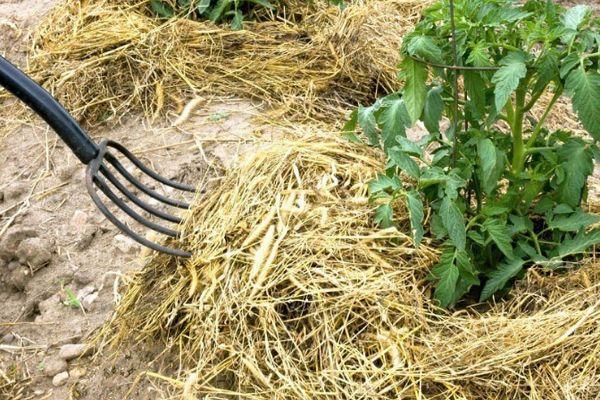
Many agronomists recommend mulching the soil to protect the surface from drying out. Use straw, grass clippings, leaves, sawdust, compost, plastic film, and even newspapers or cardboard. The idea is that any of these coverings act as a barrier against sunlight, preventing the soil from drying out quickly and requiring frequent watering. However, in confined spaces, care must be taken to prevent the air humidity from rising due to evaporation.
The best time to plant seeds is late March to early April. To disinfect and sanitize them, soak the seeds in a clear solution of potassium permanganate before planting. Plant them in a small container and cover with a thin film. No need to water the planted seeds. As the soil dries, it's best to mist them with water. Keep the container warm until the first sprout appears, but then move it to a bright location to encourage rapid growth.
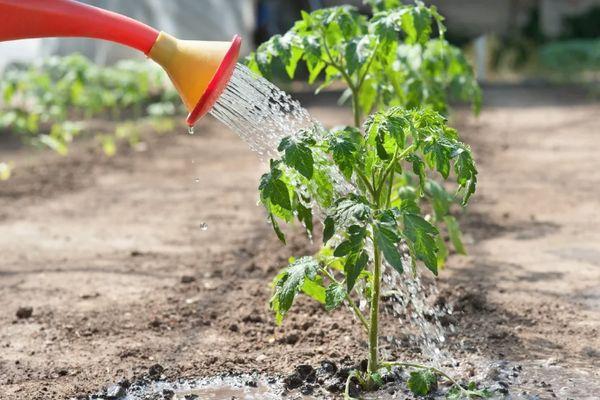
Once the leaves on the seedlings have strengthened, they can be planted in the ground. Leave at least 50 cm between plants. Fertilize every two weeks with a complete fertilizer or organic matter. Tall plants should be tied to a support. This will allow the plants to receive more light and make them easier to care for. To ensure the tomatoes receive sufficient nutrients, remove any side shoots that appear between the stem and the leaves.
Reviews
All reviews of this variety are positive. Even for beginners who decided to try growing tomatoes, the seeds germinated easily and yielded a bountiful harvest. There are many positive reviews about the Minsk-based producer, JSC Agrarian and Industrial House. Their seeds are of very high quality and germinate down to the last grain.
Related posts:
 Description and characteristics of the Syrah grape variety, where it grows
 Is it possible to grow an apricot tree from a seed in your garden? How to plant and care for it?
 Description of the Velika grape variety, cultivation and care tips
 Description and characteristics of the best seeds of pea varieties and types
 How to grow grapes in the Moscow region in open ground without a greenhouse
 Timing and methods for grafting walnuts at home in summer
 How to properly grow a peach tree from a seed at home, planting and care
 The ripening time of grape vines by variety, how to speed up the process, and what to treat the plant with