The Shalun tomato produces large yields. Its fruits are used for pickling, making tomato juice and paste, and canning. This variety is a popular choice among retailers. It ripens mid-season. Although the plant is very hardy, breeders recommend growing it in well-heated greenhouses. The fruit's flavor is sweet, but slightly tart.
Some information about tomato
The characteristics and description of the Shalun variety are as follows:
- The plant tolerates weather changes well. It is easy to care for and resistant to various bacterial and fungal diseases.
- Tomatoes of this variety grow on bushes from 2 to 2.5 m high, so it is recommended to tie the stems with ropes and trim unnecessary shoots and shoots.
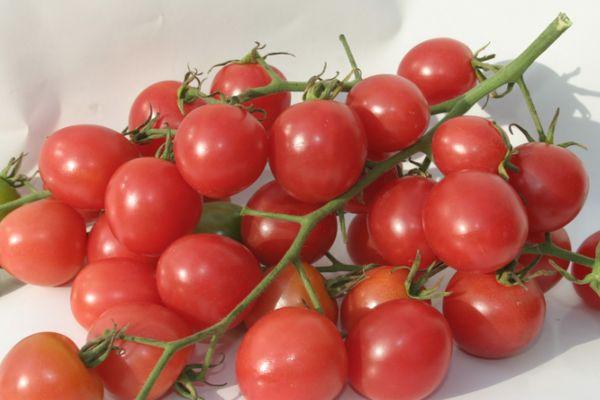
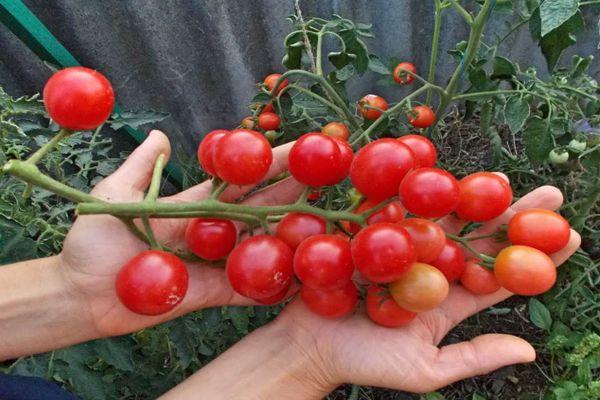
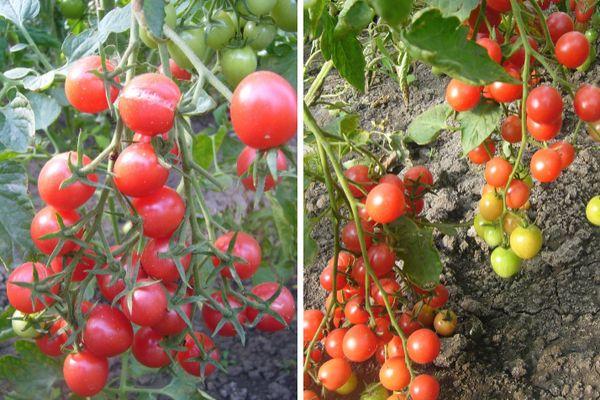
- The plant has few leaves, and the fruits grow in clusters resembling grapes. There are many of them, but each one is quite small.
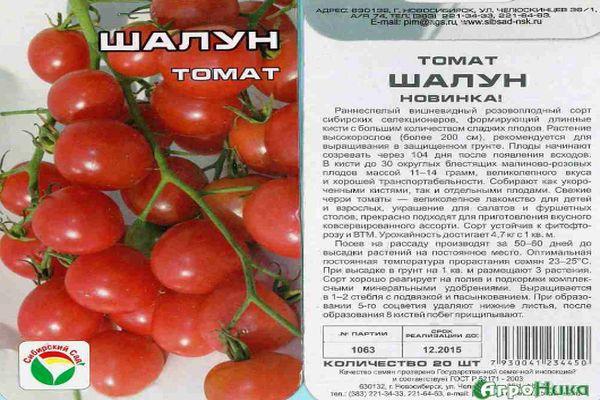
- A brush can develop from 20 to 30 specimens, each weighing 10-14 g.
- The fruits are pink or red in color and begin to appear 90 days after germination.
- Tomatoes have thick skins, preventing cracking. They can be transported over long distances.
Tomatoes grow well in the open ground in southern Russia. In temperate climates, it's recommended to grow them in a plastic greenhouse. In Siberia and the Far North, tomatoes are grown from seedlings, maintaining a comfortable temperature in the greenhouse.
The Shalun variety yields 3.8–4.6 kg per square meter. Reviews of this tomato are positive, although many gardeners and farmers note the need for staking the stems and regular pruning.
How is the described variety grown?
To grow this tomato, purchase seeds from specialized stores. In late winter, begin germinating the seedlings. First, soak them in a potassium permanganate solution and then plant them in a container with soil. Space the seeds at least 10 cm apart.
The box is then covered with plastic film, which is removed once the sprouts emerge. Once the seedlings have developed one or two leaves, they are transplanted into individual pots. Each plant should be well-watered, fertilized, and illuminated with a special lamp.
Once the seedlings reach 15-20 cm, they can be transplanted into a greenhouse. During the growing season, it is recommended to feed them 3-4 times with potassium and phosphorus fertilizers, peat, and manure.
When planting in a greenhouse, the bush is formed into 1-2 stems. It is essential to loosen the soil every week. It's recommended to water tomatoes with warm water, poured under the roots of the plant. The liquid should first settle in a barrel or bucket. On hot days, replace watering with misting the leaves.
Every two weeks, weed the beds to remove weeds. The greenhouse needs constant ventilation.
This tomato variety doesn't like being planted close to other plants. It's recommended to space the Shalun tomato plants as far apart as possible to avoid blocking the sun from their neighbors. Failure to do so will reduce the yield by half.
When watering, be sure not to overwater the plants, as this will cause root and fruit rot. It's best to apply fertilizer according to a specially developed schedule. This will allow the plants to adapt to the nutrients.
Shalun tomatoes are highly susceptible to pest infestations. Most commonly, they are attacked by various types of mites, beetles, and midges. Mole crickets, slugs, and caterpillars of various garden pests can also damage the plants. To prevent this, it is recommended to spray the tomato with a special chemical or use traditional insect control methods, such as watering the leaves with soapy water.
Related posts:
 Description and characteristics of the best indeterminate tomato varieties for greenhouses
 Characteristics and description of the Sprut tomato variety, yield and cultivation
 Description of the best Dutch tomato varieties for greenhouses and open ground
 Description of the best varieties of black tomatoes for open ground and greenhouses
 Description of the best tomato varieties for pickling and canning
 Description and characteristics of non-stepsoning tomato varieties for open ground and greenhouses
 Characteristics and description of the Bull's Heart tomato variety, yield and cultivation
 A review of the best tomato seed varieties for open ground in the Rostov region