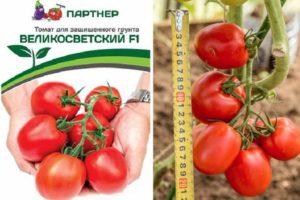
The Stanichnik tomato, the characteristics and description of which are provided below, was developed by Russian breeders 20 years ago. This variety has been included in the Russian State Register and is recommended for open-field propagation. Since this tomato yields 75 to 100% of ripe fruits per hectare, it can be grown by large farms with large acreages. The Stanichnik variety is highly transportable.
Characteristics and description of the variety
The characteristics and description of the Stanichnik tomato are as follows:
- After sowing seeds for seedlings, it takes from 95 to 110 days for the first fruits to appear.
- The bushes of this plant reach a height of 0.48-0.55 m. They grow a medium number of green leaves with a smooth surface with slight corrugations.
- The inflorescences of Stanichnik belong to the intermediate types.
- The fruit is shaped like an oval cylinder with a fairly smooth lateral surface. Ripe fruits weigh between 60 and 105 g and are colored in vibrant shades of red.
- Inside the fruit there are 3-4 chambers with seeds.
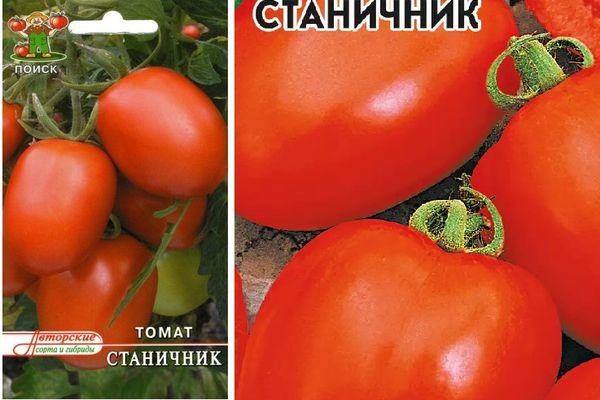
Farmers growing this variety report high yields from Stanichnik, with 7 to 9 fruits per cluster. In southern regions, such as the North Caucasus, yields range from 2 to 4.5 kg per square meter. Stanichnik tomatoes produce consistent yields over several years.
The fruits of this variety ripen almost simultaneously, and can be harvested mechanically. Some farms practice so-called "sparse harvesting," which is not feasible when planting other tomato varieties.
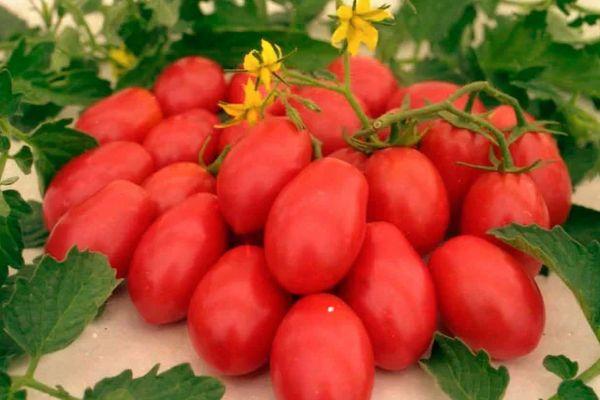
Stanichnik tomatoes are eaten fresh and used in salads. These tomatoes are also preserved whole and pickled.
Growing tomatoes in the garden
The seeds are sown in containers with tomato soil in mid-March (before the 20th). Before sowing, the seeds are treated with a potassium permanganate solution. The first sprouts appear after 5 days. They should be pricked out when the seedlings have developed 2-3 leaves. Water with warm water and fertilize with mineral fertilizers as needed.
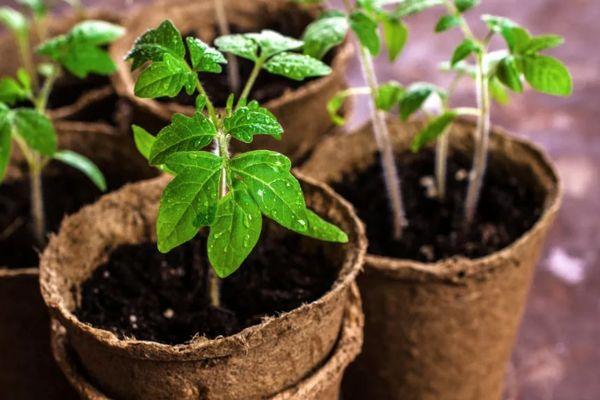
The seedlings are transplanted to permanent soil in the last ten days of March. The planting format is 0.7 x 0.6 m. No more than three bushes can be planted per 1 m² of bed. It's important to note that Stanichnik requires warmth, so the bushes should be planted in well-lit areas. Warmth is the main factor for normal plant development. Soil moisture has virtually no effect on bush growth or yield.
To support bush growth, air humidity should be maintained at 60-65% for 60-70 days after planting the seedlings. This level is then reduced to 55-60%.
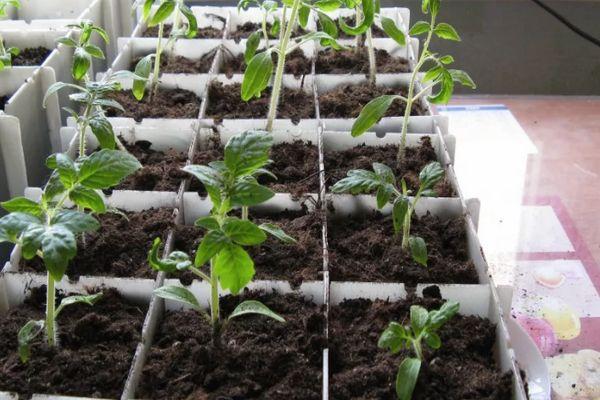
If air humidity is insufficient, tomato blossoms begin to fall off. In this condition, tomatoes are easily attacked by fungal infections. Seedlings develop blackleg disease, and if fruit has already appeared on the bushes, late blight develops.
Plants become tall and their yields plummet. To combat these effects, plants are treated with medicinal products and humidity levels are adjusted to the required level.
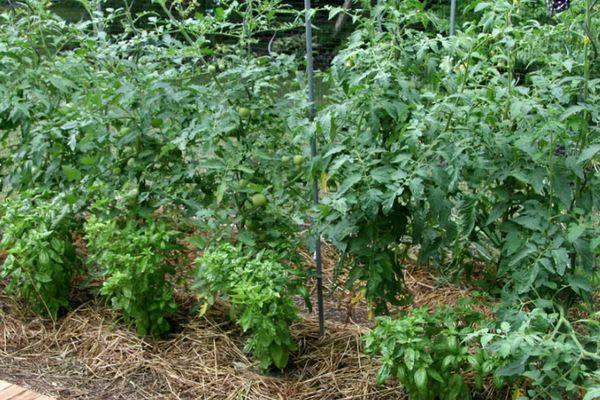
Plants are fertilized twice with mineral and organic fertilizers. This is done first after the ovary has set, and then when the first fruits appear. For this procedure, nitrogen- and potassium-containing fertilizers are used first, followed by superphosphate.
Watering with warm water after sunset is recommended. Water the bushes 1-2 times a week, but more frequently in hot weather. It is necessary to loosen the soil under the plants in a timely manner. This method aerates the root system and destroys the larvae of some garden pests. Weeding should be done once a week. To kill garden pests, chemical pesticides are used.
Related posts:
 Description of the best varieties of black tomatoes for open ground and greenhouses
 The most suitable tomato varieties for growing in the Donetsk, Kharkiv and Luhansk regions
 80 Best Eggplant Varieties for Different Regions with Descriptions and Characteristics
 When and how to properly transplant tomato seedlings, the best days in 2025
 The best grape varieties for growing in the Urals, planting and care rules in summer
 Characteristics and description of the Sprut tomato variety, yield and cultivation
 Characteristics and description of the Bull's Heart tomato variety, yield and cultivation
 Characteristics and description of pepper-shaped tomato varieties, yield and cultivation