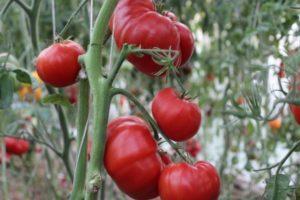
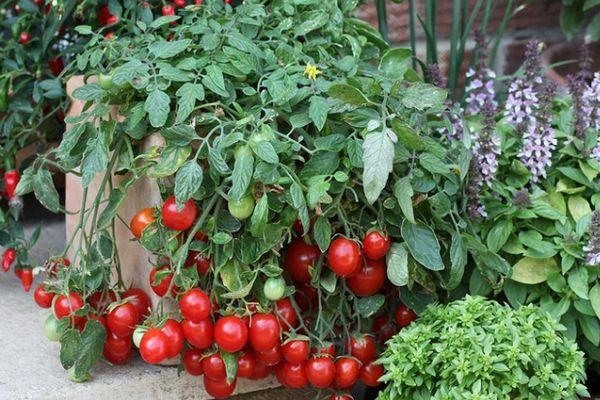
The Cherrinano f1 tomato is designed for growing indoors, such as on balconies and loggias. This variety was bred by Italians in 1973. The name "cherrinano" comes from the English word "cherry." This stems from the fact that the fruits of this variety resemble berries in shape and size. This tomato has a beautiful appearance, making it suitable for use as an ornamental plant. The fruits can be eaten fresh, used in baby food, and canned whole.
Characteristics of the variety
The description of the tomato is as follows:
- Tomatoes belong to the determinate group of varieties. Stem growth ceases after 5 or 6 clusters have developed.
- The height of the plant bush varies from 25 to 37 cm. The bush has few leaves, they are colored in dark shades of green.
- The first harvest is possible 85-90 days after sowing the seeds.
- A single bush can yield up to 0.8 kg of this type of tomato. This is due to the development of 5 to 6 cherry-sized fruits on a single cluster.
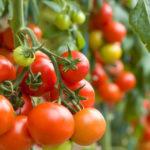
- Tomatoes are perfectly spherical, colored in vibrant shades of red. Each fruit weighs between 15 and 20 grams. Their flesh is sweet and medium-firm. Because of their low calorie content, doctors recommend them for use in dietary dishes.
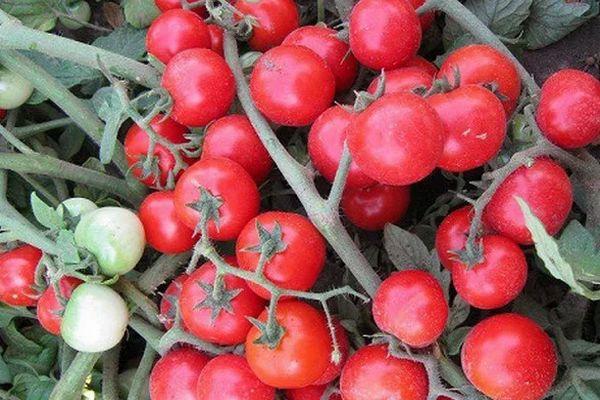
Reviews from gardeners who have successfully grown this tomato indicate that the plant has good immunity to powdery mildew. This variety resists blossom-end rot and tolerates temperature fluctuations and sudden spring frosts.
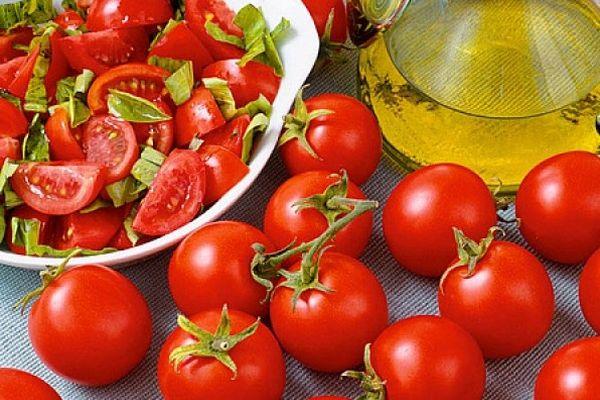
Growing tomatoes requires knowledge and adherence to specific agricultural practices tailored to the specific needs of the crop. If followed correctly, this tomato can yield 0.6–0.7 kg of fruit per bush at home. If the requirements described below are ignored, the gardener may lose from 30 to 50% of the harvest.
Some farmers have learned to grow tomatoes in open ground and greenhouses. These tomatoes grow well in greenhouses. Using greenhouses, yields can be increased to 0.9–1.0 kg per bush, but most often, plants yield up to 800–850 g.
How to grow an ornamental variety at home
To obtain the maximum yield, when planting this variety in open ground or a greenhouse, it is recommended to plant seedlings in the last ten days of March or the first week of April.
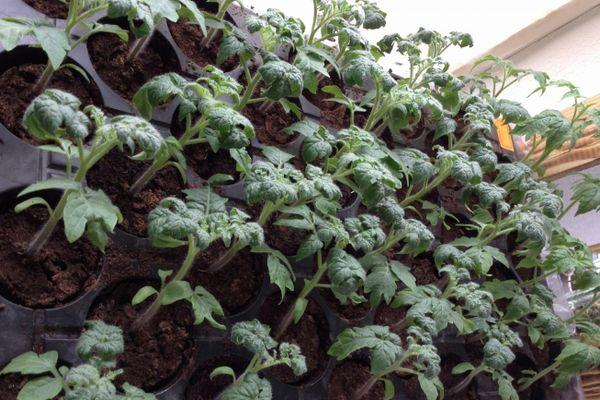
After purchasing the seeds and treating them with potassium permanganate, place them in pre-fertilized soil in 8-10 cm diameter pots. Water with warm water. When the sprouts emerge, wait until they develop two leaves, then transplant.
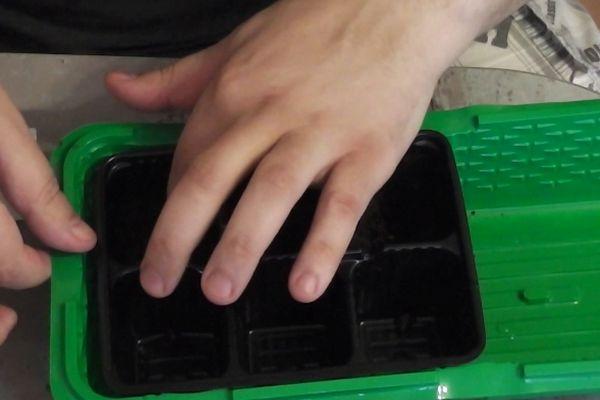
While the seedlings are growing from the seeds, they are fed 3 times with nitrogen fertilizers and superphosphate until the moment the bushes are planted in permanent soil.
Hardening of seedlings is carried out 10-12 days before transferring the seedlings to open ground or a greenhouse.
Before planting the seedlings, apply potassium and phosphate fertilizers to the soil. If the bushes are being planted indoors, the optimal time is mid-May or early June. The planting pattern is 50 x 60 cm. It is not recommended to plant more than three bushes per square meter.
It's important to water, mound, and feed the plants regularly. It's recommended to remove weeds from the beds every week, otherwise, tomato yield will drop by 25-30%.
If garden pests appear, spray the leaves of the plants with appropriate products to protect them from insects, caterpillars, and larvae. To protect the bushes from diseases to which this variety is not immune, spray them with special products that eliminate microbial and fungal infections of tomato plants.
Related posts:
 Characteristics and description of the Sprut tomato variety, yield and cultivation
 Description of the best Dutch tomato varieties for greenhouses and open ground
 Description of the best varieties of black tomatoes for open ground and greenhouses
 Description and characteristics of the best indeterminate tomato varieties for greenhouses
 The best varieties of low-growing tomatoes for a polycarbonate greenhouse
 Characteristics and description of the Sanka tomato variety, yield and cultivation
 Description and characteristics of the Klusha tomato variety, yield and cultivation
 Description of the best tomato varieties for pickling and canning