
The Sugar Bison tomato is intended for greenhouse cultivation, but can also be grown outdoors. Greenhouse owners have recognized its advantages over competitors, making it incredibly popular. It's not a hybrid, so you can plant it from your own seeds.
Description of the variety
This tomato variety forms a tall bush (up to 2 meters) of indeterminate quality. It takes approximately 95 days from germination to the first harvest, making it a mid-early variety.
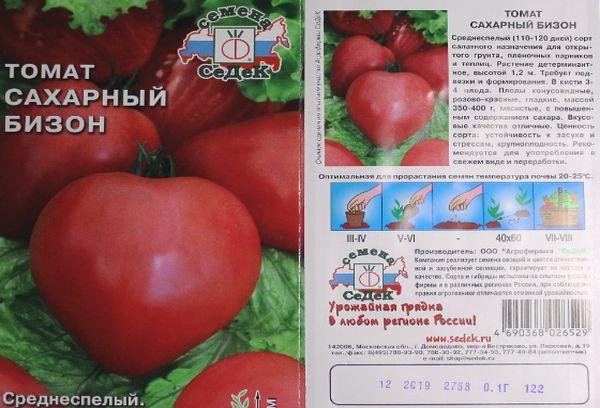
Sugar Bison's characteristics indicate that the plant is primarily intended for greenhouse cultivation. It has increased resistance to major diseases and produces high yields. However, gardener reviews indicate that the variety also performs well in open ground.
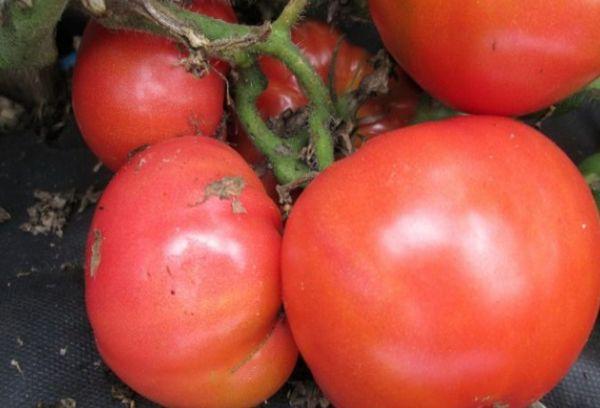
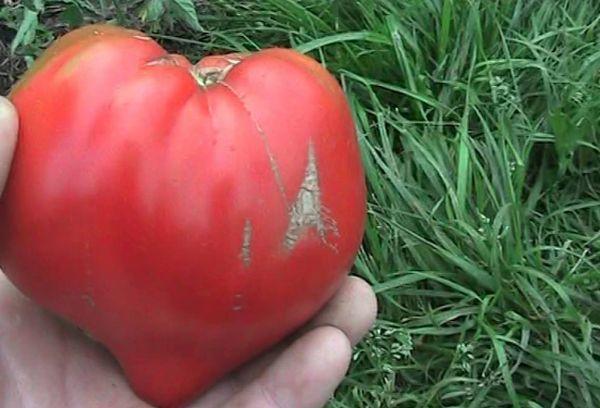
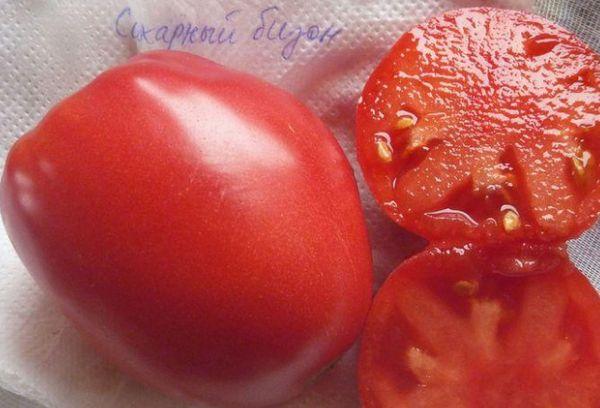
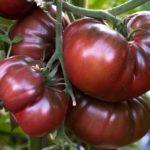
With proper care, Sugar Bison tomatoes can yield up to 25 kg of fruit per bush. The fruit is heart-shaped and turns dark pink or red when ripe. They grow to a weight of 350–950 grams, but 250 grams is most common. Their dry matter content is approximately 6%.
The fruits have a universal purpose and can be used both for fresh consumption and for all types of preparations and canning.
Growing
To grow Sugar Bison seedlings, sow the seeds in the second half of March or the first half of April. For growing large numbers of seedlings, use boxes, while peat pellets are sufficient for a few plants. The seeds are sown in a pre-prepared soil mixture and placed in a sunny spot. The daytime temperature is maintained at 22°C and at night at 18°C. Watering is carried out as the top layer of soil dries out.
Before planting Sugar Bison tomatoes in a greenhouse, several preparatory steps are required. It's best to replace the soil and spray it with copper sulfate. A week before planting, create raised beds 30 cm high and up to 1 meter wide. Drainage should be provided and the soil should be thoroughly loosened.

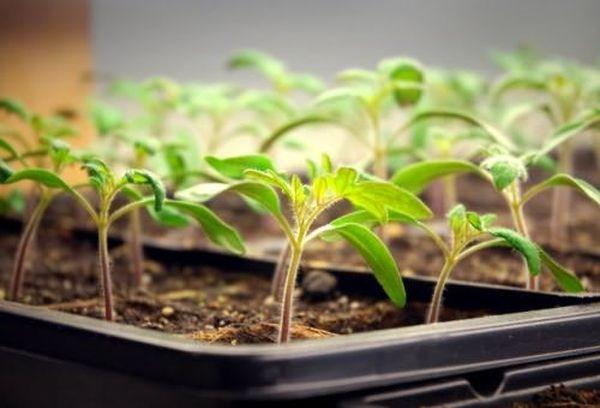
Sugar Bison tomatoes are planted in a 60x40 pattern, with at least 75 cm between rows. Plants are planted when they reach 35 cm in height. The holes are watered with a weak solution of potassium permanganate and a complex fertilizer is applied before planting.
Care Features
To grow a bountiful harvest of Sugar Bison, you'll need to provide it with proper care. For the first two weeks after planting in the greenhouse, do not water the plants. Then, begin watering them with warm water as the top layer of soil dries. Regular loosening of the soil and weeding will help the roots thrive. Weeds, which negatively impact the growth and development of tomatoes, should also be removed promptly.
The first feeding is done two weeks after transplanting the Sugar Bison to its permanent location. For this, use a mullein solution with a little wood ash added.
It's important not to overdo this before the fruit begins to form. Also, avoid overdoing it with nitrogen fertilizers. Otherwise, the plants will actively grow foliage, and their yield will decrease significantly. Mineral fertilizers are applied 20 days after planting tomatoes.
Potassium fertilizers are applied to Sugar Bison tomatoes from the moment they form. In addition, the plants require micronutrients such as boron, zinc, magnesium, and manganese. Boron significantly impacts not only the shelf life of tomatoes but also their vitamin and sugar content.
Sugar bison is a tall variety that requires additional supports, tying and pinching.
Advantages and disadvantages
Those who have planted the Sugar Bison tomato variety in their gardens have noted its main advantages and disadvantages. Positive qualities include:
- high yield;
- fruits with good commercial qualities and large size;
- excellent taste (the fruits are sweet and can be eaten fresh without salt);
- increased resistance to major diseases;
- produces a good harvest even in drought conditions;
- excellent transportability;
- good seed germination.

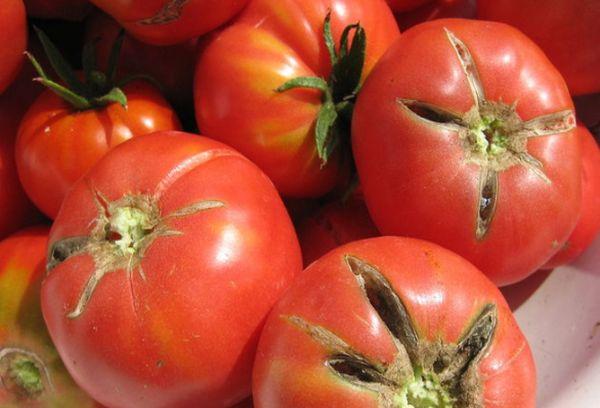
However, tomatoes are not without their drawbacks, which experienced gardeners also point out. The Bison tomato variety requires a lot of water and good lighting. It must be grown in a greenhouse. Plants can also be susceptible to brown rot.
Pests and diseases
Improper care and unfavorable growing conditions lead to the Sugar Bison being affected by several types of diseases:
- late blight;
- fusarium;
- gray mold;
- Alternaria;
- anthracnose;
- Cladosporiosis.
To prevent late blight, tomatoes are planted away from potatoes and the soil is dug as deeply as possible.
Spraying plants with Bordeaux mixture is an excellent preventative measure against diseases. During the fruiting period, it's best to use folk remedies and avoid chemicals.
Harvesting and storage
The first Sugar Bison tomatoes can be harvested 90–95 days after the first shoots appear. The crop ripens evenly. With proper care, the tomatoes are uniform in size and shape, with high marketable quality. After harvest, the fruits can retain their marketable quality and flavor for about 1.5–2 weeks, and even longer in a cool, dark place. To extend their shelf life, tomatoes are sometimes picked slightly unripe from the bush.
Sugar Bison (also known as Red Chief) can be used in salads, eaten fresh, and used in all types of preserves. Due to its good transportability, this variety is grown commercially on an industrial scale.
Gardeners' reviews
The Sugar Bison tomato variety has been a favorite among gardeners for over 10 years. During this time, they've experienced all its advantages and disadvantages firsthand, and now they're happy to share their feedback with us.
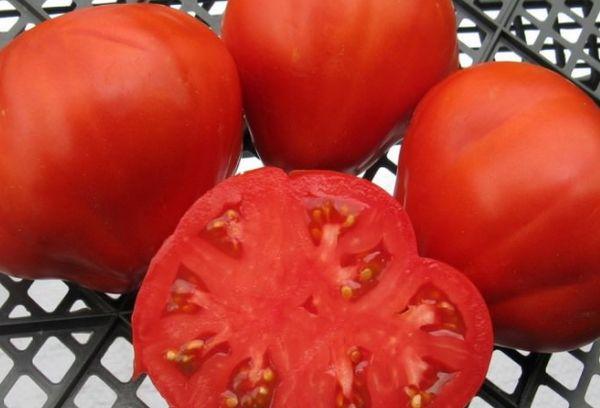 Sergey Alexandrovich, a resident of the village: "I have my own garden plot, and I recently built a greenhouse on it. My wife and I decided to grow tomatoes there for our own needs. Of the varieties offered, we liked the Sugar Bison. Its description was so tempting. Frankly, I was somewhat disappointed with the results. It turned out my greenhouse didn't provide enough light for this variety. The fruits grew deformed, and their coloring was uneven. The lack of light didn't significantly affect the taste, but their appearance was unsightly."
Galina Ivanovna, owner of a private plot: "We purchased our plot of land with a greenhouse already built on it. We decided to plant tomatoes there to enjoy an early harvest. We chose several varieties, including Sugar Bison. The results pleasantly surprised the whole family. We cared for the plants exactly as the seller recommended, and we also gleaned some information online. The tomatoes grew large, sweet, and very beautiful. We will definitely be growing this variety in future seasons."
Irina Vladimirovna, summer resident: "I don't have a greenhouse on my property, but the Sugar Bison tomato variety really caught my eye. I decided to try growing it outdoors. I cared for it according to all the rules, watering, fertilizing, and weeding regularly. I chose a sunny spot for planting, out of direct sunlight. I was delighted with the results: the fruits grew delicious and beautiful. However, the yield was significantly lower than the variety description suggested. Perhaps this is because I didn't grow my tomatoes in a greenhouse, as recommended."
Related posts:
 Description and characteristics of the Sugar Baby watermelon variety, cultivation
 A simple recipe for making blackberry jam for the winter
 The best grape varieties for growing in the Urals, planting and care rules in summer
 Description of the Bison Yellow tomato, greenhouse cultivation, and reviews from vegetable growers
 Description of the Black Bison tomato, variety characteristics, and reviews
 80 Best Eggplant Varieties for Different Regions with Descriptions and Characteristics
 Description of the Bison Orange tomato, its advantages and cultivation techniques
 Description and characteristics of the best seeds of pea varieties and types
I grew this variety not only in a greenhouse but also in open ground, and the yield was good, with large fruits. I fertilized the seedlings withBioGrow", it stimulates growth well.
This variety is perfectly suited for the activator "BioGrow"Thanks to it, seedlings grow quite quickly. The tomato is very tasty and can be grown not only in a greenhouse but also in the open ground.