The yellow-fruited Eldorado tomato was bred for commercial production and farming. However, seeds are also available in small packages for private gardens. Its popularity stems from its dessert-like flavor and consistently high yield.
Plant characteristics
The bush is determinate; growth ceases after 4-6 clusters have formed. The plant reaches a height of 90 cm, but the variety description notes variations under different growing conditions. The plant does not tolerate temperature fluctuations well and is best grown indoors. In southern regions, it can be grown in open beds.
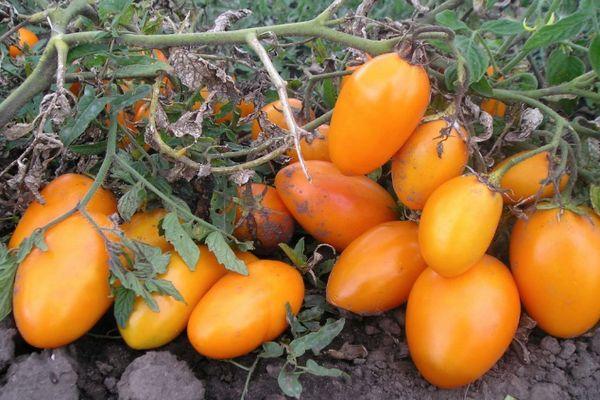
The bush has medium foliage; defoliation is not necessary, as the harvest can be completed before late blight sets in. This variety is considered a mid-early tomato, with 110-120 days from sowing to ripening. The fruits ripen uniformly on the cluster, but the overall fruiting period is somewhat spread out.
The variety produces a high yield: each bush produces approximately 5 kg of marketable fruit. The plant produces 4-6 clusters with 4-6 fruits averaging approximately 300 g. On the lower branches, the first fruits can reach 600 g. To ensure a good harvest, it is recommended to train Eldorado tomato bushes into 2-3 stems. Plants require staking and pinching.
Consumer qualities of fruits
Eldorado tomatoes, or Elya as they're known to gardeners, have a high sugar content. Gardeners report that the tomatoes are sweet, without being sour, and have a pleasant, classic aroma. These characteristics are supported by the Russian State Register, which classifies the Eldorado variety as a dessert-flavored tomato.
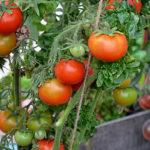
The large fruits have a neat, rounded, heart-shaped form. The tomato is ribbed near the stalk, tapering toward the tip but not elongated. The first ovaries on the clusters are larger than the others. At biological maturity, the color is bright yellow, without green spots.
The skin is firm, ripe tomatoes do not crack, and they store well without losing their flavor. The Eldorado variety is suitable for long-distance transportation and ripening while still harvested. At home, tomatoes can be picked at the milky or blanched stage, storing them in boxes. The fruits ripen at room temperature.

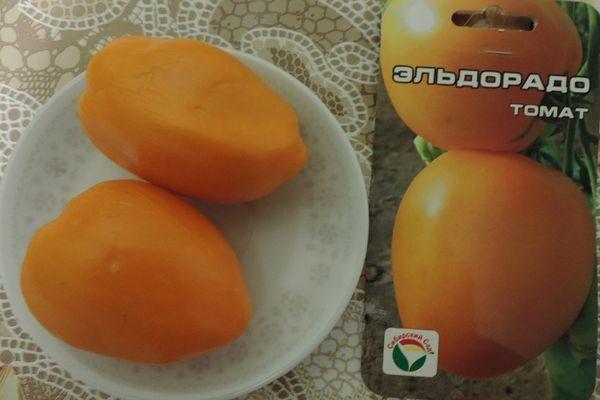
Characteristics of the pulp:
- The pulp is juicy and fleshy, with a pleasant consistency.
- The walls of the seed chambers are thick, there are few seeds.
- The pulp is uniformly yellow in color and has no light-colored core.
A salad of Eldorado tomatoes and red or pink varieties looks picturesque, whetting even the appetite of children. Tomatoes are primarily intended for fresh consumption. Yellow tomatoes can be stuffed and used to make light sauces. They are perfect for sandwiches and gourmet appetizers.
They are not suitable for whole-fruit canning, but can be used in winter salads and appetizers. If desired, Eldorado tomatoes can be dried by steeping the prepared tomatoes in vegetable oil.
Features of growing the variety
Sow seeds so they are 60-70 days old by the time they are planted in the greenhouse. Before sowing, treat the soil with a dark pink solution of potassium permanganate to prevent blackleg. Seeds should be planted no deeper than 0.5 cm.
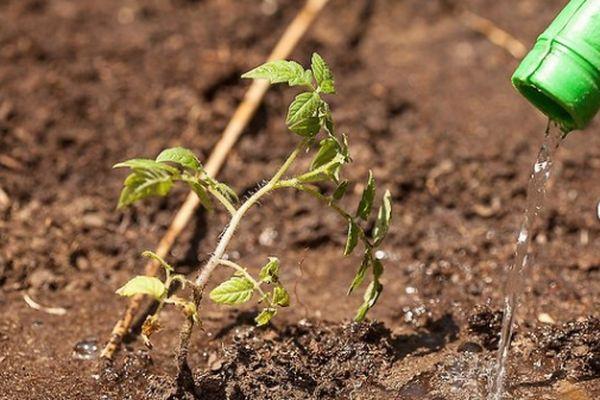
Heat-loving seedlings can be susceptible to this fungal infection (blackleg) when watered with cold water or when the soil temperature drops below 15°C. A good preventative measure is watering from the tray or dusting the stems with wood ash. Seedlings should not be sprayed or watered on the leaves. Water should be at room temperature, close to the soil temperature.
When the young plants develop 1-2 true leaves, transplant them into 7 cm diameter pots. As the seedlings grow and the leaves of adjacent plants close together, move the pots 3-4 cm apart. Planting in a greenhouse is done at a rate of 3-4 plants per 1 m².
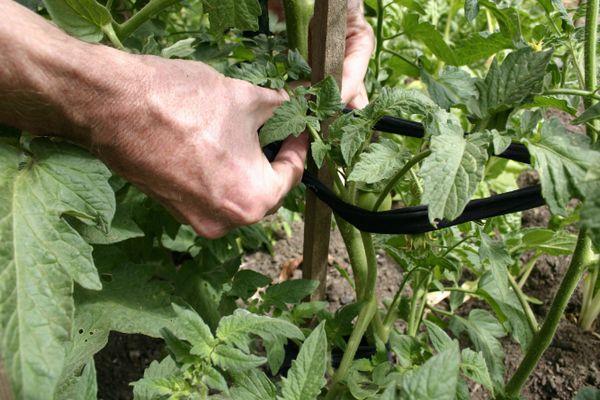
Seven to 10 days after transplanting, water the tomatoes with water and a mineral fertilizer containing nitrogen, phosphorus, and potassium (Kemira, Signor Pomidor, and others). Apply 0.5 liters of the nutrient solution to each plant. Water at the roots.
Fifteen days after treatment, apply a phosphorus-potassium fertilizer, which increases the plants' ability to flower and produce fruit. This procedure should be repeated once more after two weeks.
To form tomatoes into 2-3 stems, you need to leave a lateral shoot (stepson) after 1 flower brush appears on the plant.One more shoot is left above the second cluster. The remaining side shoots should be removed before the end of the tomato growing season. This will ensure the ovaries have enough nutrients, and you'll get large tomatoes.
Related posts:
 Description of the best varieties of black tomatoes for open ground and greenhouses
 What varieties of tomatoes are best to plant in a polycarbonate greenhouse?
 16 Best Quick Pickled Tomato Recipes for the Winter
 15 simple recipes for pickling tomatoes in jars for the winter
 Growing and caring for tomatoes in a greenhouse from planting to harvest
 The best tomato varieties for growing in the Leningrad region for greenhouses and open ground
 Description of the best varieties of tomatoes for greenhouses without side shoots
 Description of the best tomato varieties for open ground in the central zone