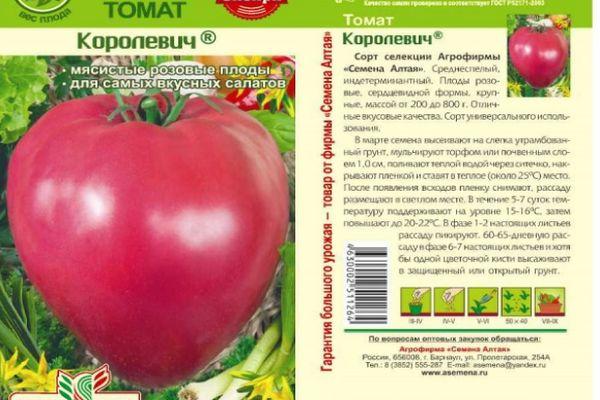
The Korolevich tomato is a mid-season indeterminate variety. It produces fleshy, pink fruits that are ideal for salads.
What is the Korolevich tomato?
The characteristics and description of the variety are as follows:
- The fruits are quite large, the weight of a ripe tomato reaches from 200 to 800 g.
- The Korolevich tomato has a heart shape.
- The fruits can be used both fresh and canned.
- The seeds should be sown at the end of March.
- Before you start sowing, you should prepare the container, soil, room and lighting.
- The container for sowing must be made of plastic and must have drainage holes.
- If the water in it stagnates, the plant may develop black leg disease.
- It's a good idea to disinfect the container and soil before sowing. This can be done with a potassium permanganate solution, or by soaking the bag of soil in hot water and letting it sit until the water cools completely.
How to grow tomatoes?
The air temperature in the room where Korolevich seeds are planted for seedlings should reach 25°C. Good ventilation is also essential.
Seedlings need sufficient light to grow. Experience has shown that a bright spot and sunlight alone are not enough. To ensure proper seedling development, according to the program established by the breeders, it is advisable to provide additional artificial lighting with special lamps. For sowing, you can purchase ready-made soil substrate, or you can add peat, sand, and a little ash to the soil yourself.
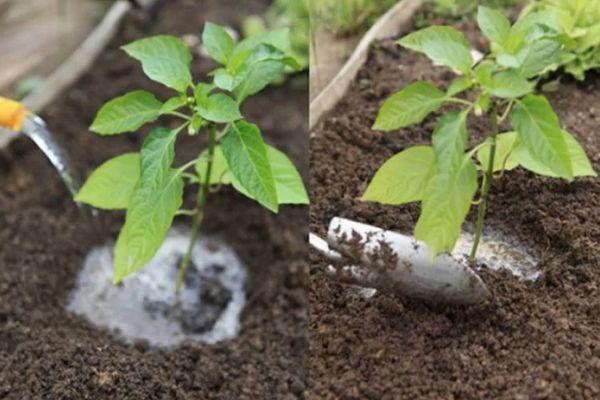
When planting, maintain a distance between the seeds to ensure they grow strong and healthy. The seeds can be sown dry, but it's better to disinfect them by soaking them in a potassium permanganate solution for 30 minutes. Before sowing, moisten the soil with warm water and cover the container with plastic wrap. If done correctly, the first shoots will appear within two weeks.

You can begin transplanting the seedlings into individual containers once 2-3 leaves appear. Caring for the seedlings is simple; you just need to maintain a moderate watering regimen and provide them with light and warmth.
A sign that the plant is ready for transplanting is the appearance of 6-7 healthy leaves and 1 flower cluster. The approximate time for planting is 60-65 days after the first shoots appear, after there has been no further frost.
To grow juicy and sweet tomatoes and increase yields, follow the classic rules that apply to almost all tomato varieties. It's important to know that this crop won't thrive in poor soil—it needs to be enriched with fertilizer. Gardeners need to remember that they cannot plant tomatoes in the same place where they grew the previous year. It is better to plant them in a place where pumpkins, legumes, cucumbers, onions or cabbage grew.
Tomatoes don't like excessive watering or dripping onto their leaves. Excess moisture can lead to late blight. Timely support of tomato stems is essential.
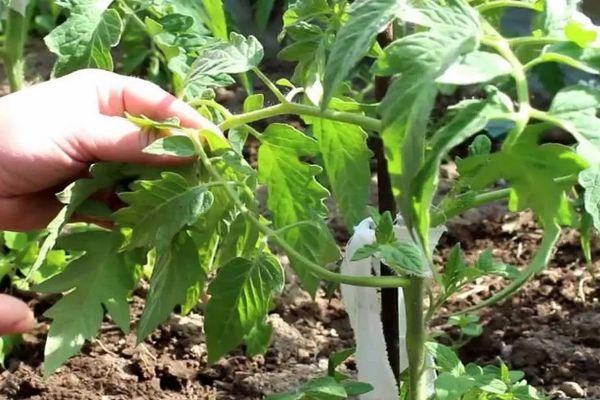
After the first fruit sets, the lower leaves of the bushes should be removed and monitored for side shoots. It's crucial not to let them grow beyond 2 cm, otherwise nutrients will be wasted on shoot growth rather than fruit development.
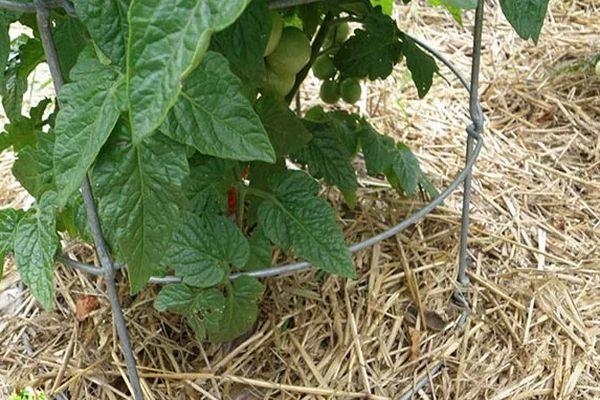
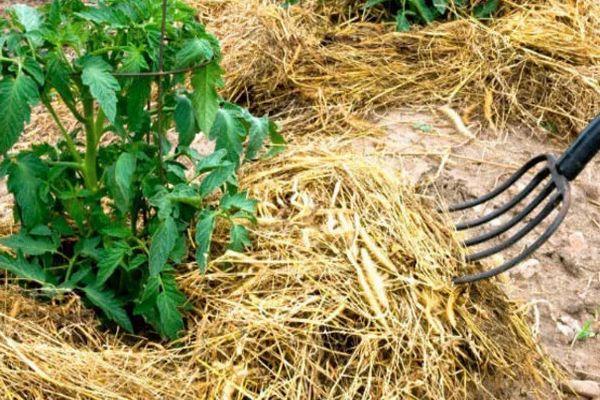
The next important aspect is mulching and hilling the soil. Mulching nourishes the roots and retains the necessary amount of moisture, while hilling improves the soil.
Fertilize tomatoes every two weeks, and 2-3 times during the growing season. Bird droppings, manure, peat, or compost can be used as organic fertilizers. Lime and superphosphate can also be added.
Before transplanting seedlings into the soil, it's important to loosen it and add potassium and nitrogen fertilizers and superphosphate. These steps will help you reap a rich and healthy harvest.
Related posts:
 How to propagate and grow peas, cultivation technology, and care in open ground
 Carrot care guidelines for outdoor cultivation to ensure a good harvest
 How to properly plant peas in a greenhouse and open ground
 Description of varieties of sowing peas and cultivation, to which family they belong
 The best grape varieties for growing in the Urals, planting and care rules in summer
 Is it possible to grow an apricot tree from a seed in your garden? How to plant and care for it?
 The best eggplant varieties for growing in a polycarbonate greenhouse: planting and care
 Causes and treatment of eggplant pests and diseases, how to combat them at home