
The early-ripening Solerosso F1 tomato has been used for over 10 years by farmers and homeowners to produce early vegetables. It's one of the earliest varieties, recommended for those looking to harvest their first crop before anyone else. These tomatoes are suitable for growing in open ground or under plastic covers, and they can also be planted in a greenhouse.
General characteristics of tomato
Growing early vegetables for commercial use requires the ability to harvest large quantities in a short period of time. This variety, specifically bred for commercial vegetable production, fully meets this requirement. Solerosso F1 tomatoes are characterized by cluster-bearing fruiting and ripen almost simultaneously.
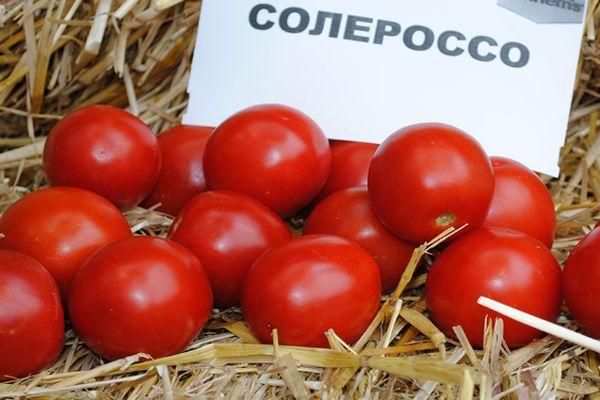
The average tomato yield is about 8 kg per square meter. This hybrid does not require staking or pinching. Tomatoes ripen uniformly, and fruiting ends within one month.
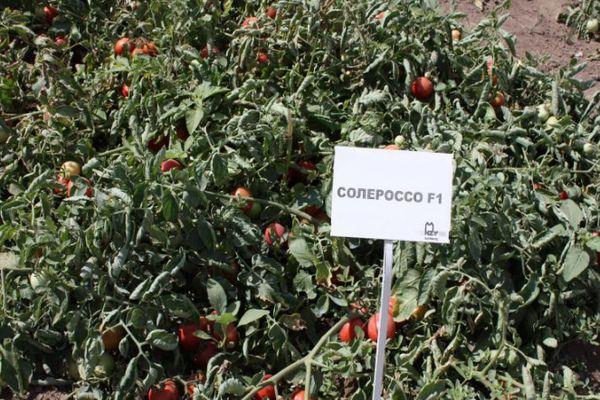
The plant is determinate, with a low, spreading bush that does not form a standard. Fruiting occurs in clusters, with 5-8 tomatoes of similar size and ripening time forming on a single branch. Solerosso tomatoes are conveniently harvested with the cluster—this way, ripe fruits stay fresh longer, and unripe ones ripen faster.
The modern hybrid tomato variety Solerosso is not susceptible to summer fungal diseases (Alternaria, Fusarium wilt). It produces its entire crop before the onset of late blight, so it's not susceptible to this autumn plague. Small tomatoes are also resistant to blossom-end rot. Resistance to all known diseases that can reduce tomato yields makes the Solerosso hybrid a very convenient choice for gardening.
Tomatoes tolerate temperature fluctuations well when grown outdoors. Reviews from gardeners who have tried growing Solerosso in their plots agree that the variety produces high yields throughout the season.
The tomato has no noticeable drawbacks and is deservedly popular among various population groups. The only drawback of the hybrid is that seeds for propagation cannot be saved from existing plants; instead, new ones must be purchased annually.
Fruits of the Solerosso hybrid
This ultra-early variety begins producing its first harvest 90-95 days after germination. One week after the first harvest, the period of mass fruiting begins, when tomatoes ripen in large quantities. At this time, Solerosso bushes are covered with beautiful, vibrant fruits in varying stages of ripeness.

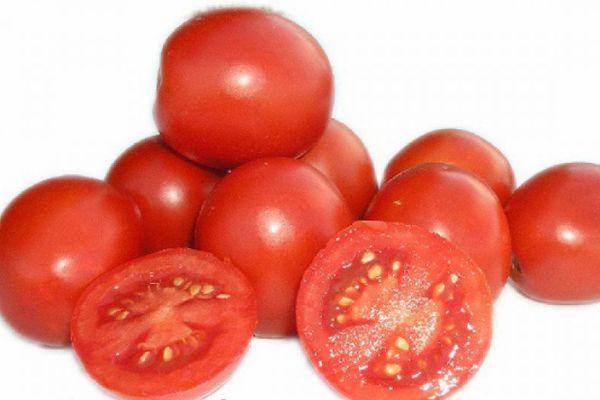
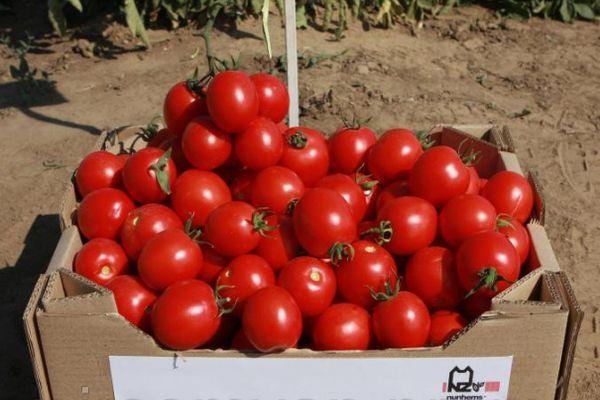
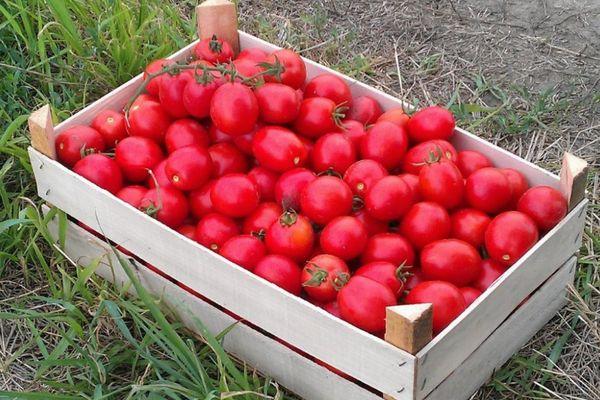
The tomatoes are round, slightly flattened vertically, and lack ribbing near the stem. They are medium-sized, weighing 90-110 g and uniform in size. Ripe berries are red; at commercial maturity, the fruits are light green, without dark spots.
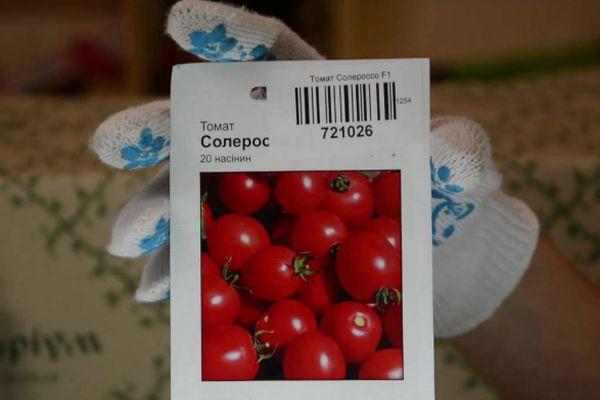
The skin is thick and strong, preventing cracking during ripening and cooking. These tomatoes have a very good shelf life, retaining their appearance for 10-15 days even when ripe. They also transport well.
The flesh is well-colored, red with no white patches. The texture is firm, the walls are elastic and juicy, about 1 cm thick. Each tomato contains 2-3 seed chambers. Gardeners' descriptions and characteristics of the variety note the tomato's excellent flavor: the fruits have a balanced sweet and sour taste, a strong, distinctive aroma, and a pleasant flesh texture.
This variety is versatile. Developed by Dutch breeders, this hybrid was originally intended for fresh consumption, like any early produce. But even in a garden plot, these tomatoes produce such a bountiful harvest that one has to consider processing and storing them for the winter.
Fresh, neat tomatoes can be used for more than just salads. Thick-walled tomatoes make excellent stuffed and baked tomatoes. They are delicious sliced for festive occasions and on sandwiches, and can serve as the base for a sophisticated appetizer. Red tomatoes are perfect for eggplant caviar, various sauces, and soup toppings.
Solerosso tomatoes are ideal for winter preservation: calibrated tomatoes are easy to pickle and marinate whole or process into juice and sauces. When canned whole, the tomatoes retain their firmness and texture well, and the skins do not crack during cooking.
The pulp from processed fruits has a balanced content of sugars and acids, so the taste of tomato juice or sauces does not need to be adjusted with added sugar.

Drying is another method for winter preservation. The thick walls of Solerosso tomatoes allow for a high-quality product. A slight tartness adds the necessary piquancy.
How to grow a good harvest of early tomatoes?
Ultra-early hybrids can be grown in two ways: using seedlings or without seedlings. In the latter case, the seeds can be sown directly into a permanent location in a greenhouse or open ground (only in southern regions). When 2-3 leaves appear, the excess shoots are weeded out, leaving 30 cm between the bushes. Further care consists only of hilling and weeding.
For the seedling method (recommended for central Russia), prepare the soil for sowing in boxes by mixing equal parts of garden soil, sand, and humus. It's best to take the soil from beds where tomatoes weren't grown last season. Disinfect the soil mixture with a hot solution of potassium permanganate directly in the container, cool, and sow the seeds on the damp surface.
Fill with dry sand so that the thickness of this layer does not exceed 0.5 cm. To retain soil moisture, cover the boxes with plastic film with several holes.
Tomatoes require fairly warm soil temperatures (+25°C) for sprouting. Only under these conditions will the sprouts emerge quickly (4-5 days) and grow well for the first few days. The plastic wrap is removed from the container as soon as the seedling loops appear. When the tomatoes have formed 2-3 leaves, they can be transplanted into individual pots or into 7x7 cm boxes.
To ensure a good harvest of Solerosso F1 tomatoes, according to experienced gardeners, the soil should be prepared in advance by adding both nitrogen fertilizers for foliar growth and phosphorus-potassium salts for improved fruit development. It's convenient to use ready-made mineral mixtures for tomatoes and other nightshade crops, such as Signor Tomato, Kristallone Tomato, Agricola Vegeta, and others. These are applied according to the manufacturer's instructions during tilling in the fall or spring.
Tomatoes are planted in a 40x50 cm pattern. They can be transplanted into a greenhouse in mid-May, but to open beds only in June, after spring frosts have passed. After planting, care consists of regular watering. The Solerosso variety has a spreading habit, so its shoots will sink to the soil under their own weight. At this time, it's advisable to earth up the tomatoes to cover the additional roots the plant will produce. In hot, dry weather, watering them once every 5-7 days is sufficient, applying about 10 liters of water under the bush.
Related posts:
 Description of the best varieties of black tomatoes for open ground and greenhouses
 What varieties of tomatoes are best to plant in a polycarbonate greenhouse?
 Which tomato varieties are best for open ground?
 Descriptions of the 20 best cherry varieties for the Moscow region, their planting and care
 16 Best Quick Pickled Tomato Recipes for the Winter
 How to choose the best tomato varieties for growing in Belarus
 Description of the best tomato varieties for open ground in the central zone
 The best tomato varieties for growing in the Leningrad region for greenhouses and open ground