
The Kurnosik tomato grows not only in the southern regions of Russia; it is also successfully cultivated in the central part of Russia and throughout the vast expanses of Siberia. This type of tomato can be eaten fresh, used in salads, and preserved whole. This tomato retains its shape and vibrant color when canned.
Some information about the plant
The characteristics and description of the Kurnosik variety are as follows:
- The bushes of this tomato are relatively small in height - no more than 0.5 m, so they do not need to be side-sonned or tied up.
- The fruits ripen in the average time, approximately 100-114 days after sowing in the ground.
- The leaves of the plant are medium-sized, colored in light shades of green.
- This tomato has simple inflorescences, with 3-4 fruits developing on each of them.
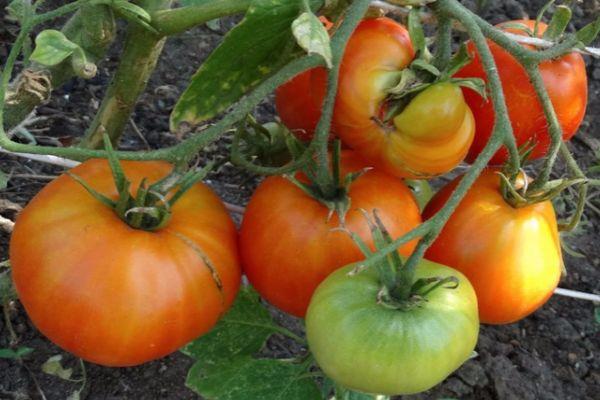
- The average fruit weight is 0.2 kg. It is red in color and heart-shaped.
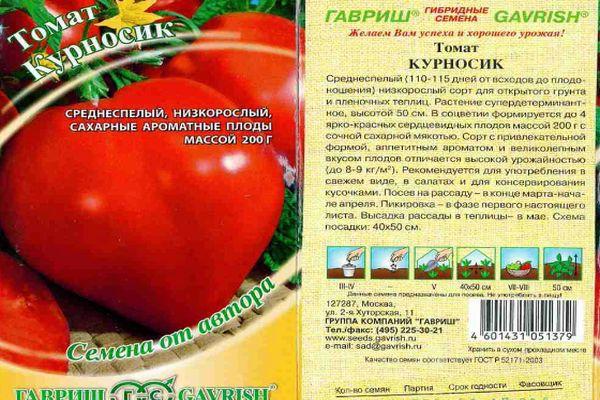
The Kurnosik variety produces a fairly high yield. 1 m² can yield 7-9 kg of fruit. Farmers who have planted Kurnosik tomatoes have given positive reviews. They note that the bushes are highly resistant to various diseases, such as fusarium. Photos of this variety of tomato can be found in agricultural catalogs.
Kurnosik can be grown both in open ground and in greenhouses. All gardeners who have grown this tomato note that, with proper agricultural practices, even a novice farmer can reap a good harvest. The fruits of this variety do not crack, as they have a fairly dense structure. This tomato variety is best transported over medium distances.
If the gardener lives in Siberia, then the seedling method of propagating the described tomato is recommended, since when the seeds are planted in open ground, they will germinate, but there will be no fruit.
Farmers prefer to grow tomatoes in greenhouses, as this prevents plants from freezing during sudden temperature changes. This variety is sown outdoors in southern regions, allowing for a harvest within three months.
Take a look Also
How to sow the Kurnosik tomato?
The plant is sown for seedlings in the last ten days of March or the first week of April. The soil should be prepared in advance and enriched with essential vitamins and minerals using fertilizer.
Before planting, tomato seeds are treated with a potassium permanganate solution. Afterwards, the seeds are planted in a box or container filled with soil to a depth of 20 mm.
Then cover the container with plastic wrap and transfer it to a warm room. The containers should be exposed to sunlight. If not, illuminate them with a special lamp. Once the first two leaves appear on the seedlings, transplant them.
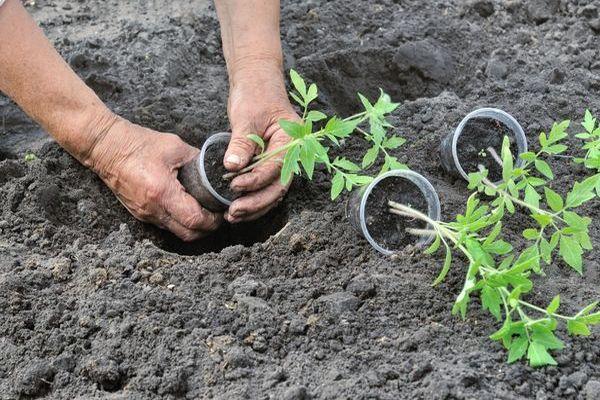
Seedlings are planted at 60 days old. Before planting, they are hardened off and brought outside.
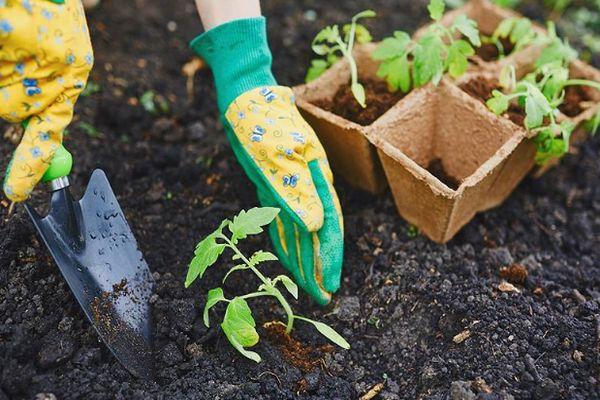
Some farmers plant seedlings in a homemade greenhouse to get an early harvest. In this case, it is necessary to protect the bushes from possible temperature fluctuations, which are typical for the end of May and the beginning of June.
Before planting, it is recommended to treat the soil with a potassium permanganate solution. The seedlings are planted in nests at a spacing of 0.4 x 0.5 m.
For normal plant development, it's best to water the plants with warm water during the first few weeks. This helps acclimate the seedlings. Watering should continue during flowering. This will help ensure a good harvest. Mature plants look neat despite their small size, but produce a steady harvest.
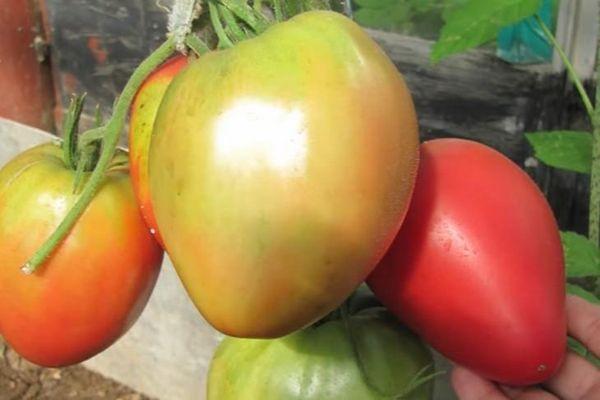
When caring for tomatoes, you need to add mineral fertilizers to the soil 1-2 times, loosen the soil in a timely manner and water the bushes.
If plants are attacked by garden pests, it is recommended to use special treatments. It is important to take prompt action if a gardener notices the development of a fungal infection or rot.
Related posts:
 Description and characteristics of the best seeds of pea varieties and types
 The best eggplant varieties for growing in a polycarbonate greenhouse: planting and care
 Rules for growing tomatoes in open ground, choosing a variety, planting and care
 The best grape varieties for growing in the Urals, planting and care rules in summer
 The benefits and contraindications of lentils for the human body
 Why potatoes aren't growing well in the garden, and what to do to ensure a bountiful harvest
 Methods for planting and propagating cherries at home
 Descriptions of the 20 best cherry varieties for the Moscow region, their planting and care
