The relatively new hybrid tomato, Scarlet Frigate F1, is still unknown to most Russian gardeners. However, in the several seasons since its introduction to Russian seed markets, residents of the Moscow region and the Non-Black Earth Region have already tried the variety.
General characteristics of the plant
The Scarlet Frigate tomato bush is classified as an indeterminate variety. These vigorous, tall plants are recommended to be trained into 2-3 stems for increased yield. In greenhouse conditions, the main stem can reach a height of 2 meters or more. These tomatoes require staking and shaping.
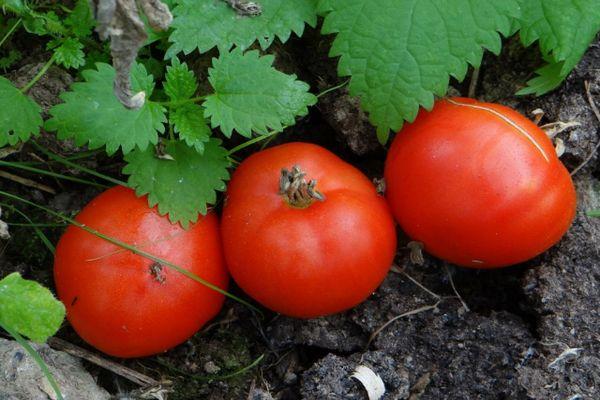
At growing tall tomatoes in open ground It's recommended to pinch the fruit approximately one month before the end of the season. Artificially restricting stem growth will allow the ovaries on the clusters, which have already unfurled and are blooming, to ripen. These fruits can be harvested unripe just before the frost.
According to gardeners' reviews, the variety produces high yields in the Moscow region. Each greenhouse plant can yield up to 7 kg of marketable tomatoes. At the recommended planting density of 3 plants per square meter, the average yield per unit area is approximately 20 kg. In open ground, this yield doesn't vary much, but may be slightly lower.
 Like all modern hybrids, the Scarlet Frigate tomato is resistant to fungal diseases and tobacco mosaic. In greenhouse conditions it is rarely affected by cladosporiosis and alternaria, but in open ground during cold seasons it can be affected by late blight.
Prevention of this disease involves staking and removing leaves. In particularly unfavorable years, treat with fungicides. General care consists of timely watering; otherwise, the variety is undemanding.
Fruit characteristics
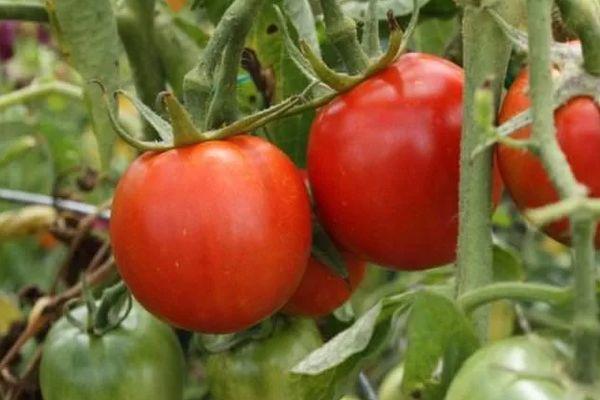
The fruits ripen 90-95 days after sowing. The ovaries form on simple clusters, each containing up to 8 identical and fairly large tomatoes. The fruits are ovoid, without ribbing at the stalk. Each tomato weighs 100-120 g.

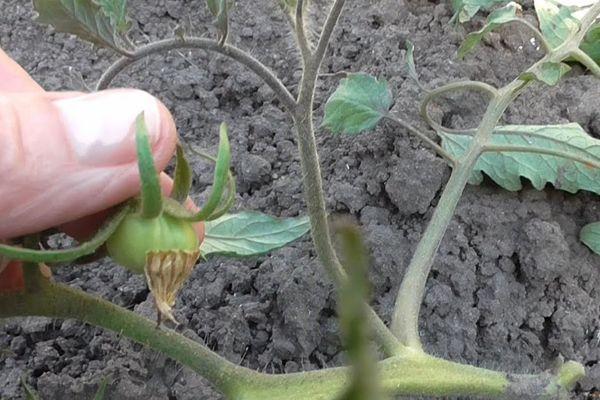
The skin is firm but not rough. As the fruit ripens, the pale green color turns yellowish, and by the time the tomato reaches biological maturity, it turns a uniform bright red. No green spots remain near the stem, even when grown outdoors. These tomatoes are resistant to cracking, have excellent shelf life and transportability, and ripen well indoors.
The flesh is dense, somewhat tough when unripe, but as it ripens, it develops a grainy texture when broken and a pleasant, juicy consistency. There are few seed chambers (2-3), and the seeds are small and poorly developed. Flavor is rated as average. The tomato's flavor is bland, without pronounced notes of sweetness or acidity, and the aroma is characteristic and moderately pronounced. When grown outdoors in a sunny location, the flavor becomes more intense.
The early-ripening hybrid Scarlet Frigate F1 is a salad tomato. It's suitable for fresh eating and slicing. The oval shape of the fruit makes it ideal for creating unusual appetizers, while thin slices are perfect for sandwiches. These brightly colored tomatoes can be used in any dish calling for tomatoes.
This variety is also well-suited for whole canning. The uniformly sized, medium-sized oval tomatoes look impressive in vegetable platters. Their firm skin and flesh allow them to retain their shape and consistency during heat treatment during pickling. When juiced, the pulp will be brightly colored, but will require further simmering if a thick sauce is desired for tomato-based appetizers or lecho.
Agricultural technology of the variety
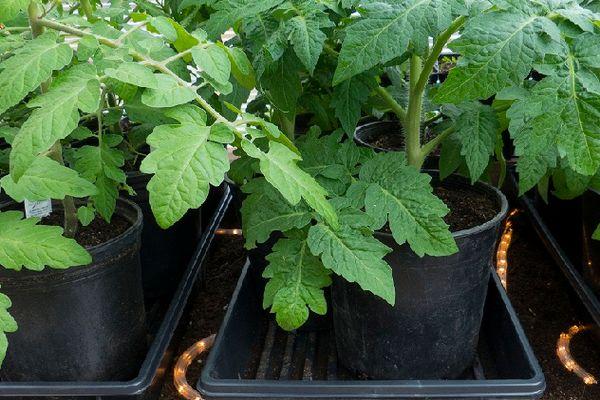
Early tomatoes should be sown two months before transplanting the seedlings to their permanent location. The soil is prepared from equal parts humus, fine sand, and fertile soil. For every 10 kg of the mixture, add 2 tablespoons of ground chalk or eggshells. The soil mixture is distributed among the containers and soaked in a hot, dark pink solution of potassium permanganate right in the boxes. Sowing can begin once the soil has cooled to room temperature.

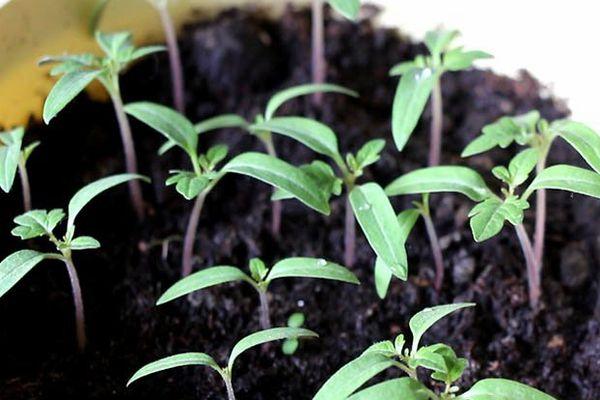
Scarlet Frigate tomato seeds can't be harvested from the best plants. Hybrid tomatoes don't retain their parental qualities. Store-bought seeds are often already treated and don't require additional soaking. Therefore, they can be immediately scattered over the surface of wet soil and covered with a layer of dry sand or potting mix.
The seeding depth should not exceed 0.5 cm. Cover the trays with plastic wrap and germinate in a very warm place (25°C). Seedlings will appear in 4-5 days, after which the plastic wrap is removed.
When the seedlings develop 2-3 true leaves, they are pricked out and transplanted into individual pots or into a single container, spaced 10 cm apart. Further care consists of regular watering. Fertilizing is not required.
 You can plant 3 bushes per 1 m². It's not recommended to plant too close together: tall, well-branched tomatoes will produce less fruit. Remove all side shoots before the first flower cluster appears. An additional stem can be formed from a lateral shoot above this cluster, again removing the remaining shoots until the next flower cluster appears. Leave another stem above it. Further shaping of the bush consists of removing all side shoots.
Related posts:
 The best eggplant varieties for growing in a polycarbonate greenhouse: planting and care
 The best grape varieties for growing in the Urals, planting and care rules in summer
 Top 40 DIY New Year's Baking Recipes for 2020
 The health benefits and contraindications of black currants
 Methods for planting and propagating cherries at home
 How to control carrot flies with medications and folk remedies
 Descriptions of the 20 best cherry varieties for the Moscow region, their planting and care
 Is it possible to soak treated cucumber seeds before planting and how to do it correctly?