
The Kupchikha tomato is included in the State Register of Hybrids and Varieties Approved for Cultivation in Russia. This determinate variety is easy to grow in both open ground and greenhouses and hotbeds in private gardens.
Biological and agrotechnical indicators
This variety is one of the earliest ripening tomatoes. It produces its first harvest just three months after germination. Since the plant reaches a height of up to 1 meter, and several very large fruits can be found on a stem, it needs to be tied to a support. Kupchikha f1 is a hybrid with improved storage and transportation properties. Its predecessors had several drawbacks related to the impossibility of long-distance transportation. They quickly deteriorated due to their low-density pulp.
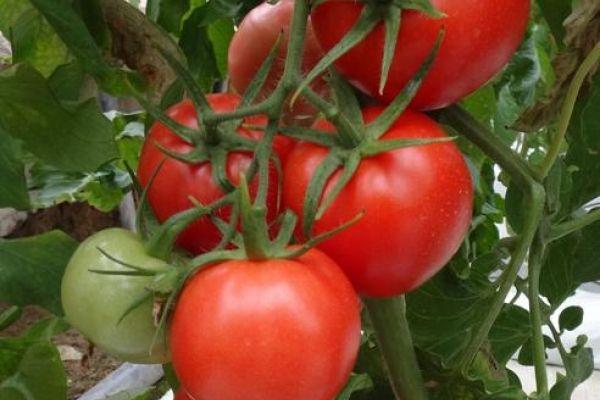
Today, reviews of the Kupchikha variety are no longer so categorically negative regarding delivery to consumers in regions far from where it's grown. The plant has become more resistant to fusarium and verticillium wilt. The flesh has reached a medium density. The vegetable truly lives up to its name, "merchant," as it is large in size and slightly flattened with a smooth surface.
When looking at the description of the variety, the following characteristics can be highlighted:
- dark green color of large leaves;
- maturation period - 90-95 days;
- fruit weight - up to 400 g;
- the number of tomatoes per 1 brush is from 5 to 6 pieces;
- number of seed nests - 4-6.
A single inflorescence forms a jointed stalk. Those who grew Kupchikha tomatoes outdoors during favorable summers received approximately 16 kg of bright red fruits per square meter. In greenhouses, the yield is slightly lower—10-15 kg.
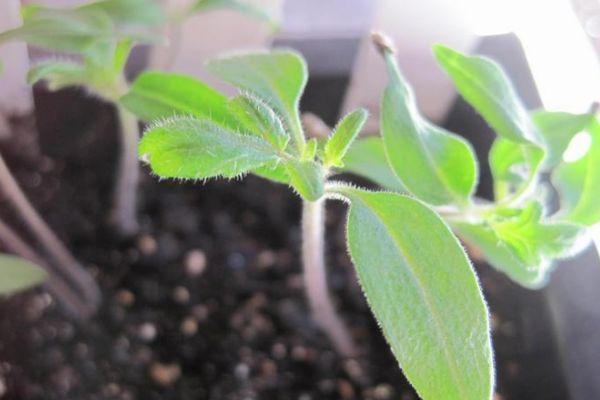
The variety's high yield is achieved through strict adherence to seed preparation guidelines. Before planting, the seeds should be germinated, maintaining a temperature range of +20 to +22°C. After planting the germinated seeds, the soil is fertilized with organic fertilizers 2-3 times.

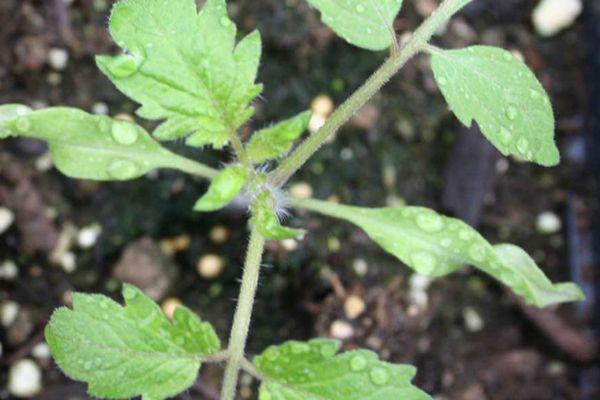
Once the seedlings emerge uniformly, they are pricked out. To ensure healthy fruit, the seedlings need to be hardened off 7-10 days before planting. To do this, the trays are taken outside for just a few minutes.
Advantages of the variety and care rules
Everyone who has planted Kupchikha hybrid tomatoes notes their tolerance to atmospheric influences. The following advantages are highlighted:
- resistance to fluctuations in air temperature and humidity;
- no tedious step-sonning procedure;
- simultaneous ripening of tomatoes;
- the possibility of mass production in farmers' fields.
It's impossible to achieve the expected yield on heavy and humus-poor soils. Taking into account crop rotation principles, it's necessary to plant tomato plants in areas previously occupied by cucumbers, beans, peas, carrots, or onions. No more than four plants should be planted per square meter.
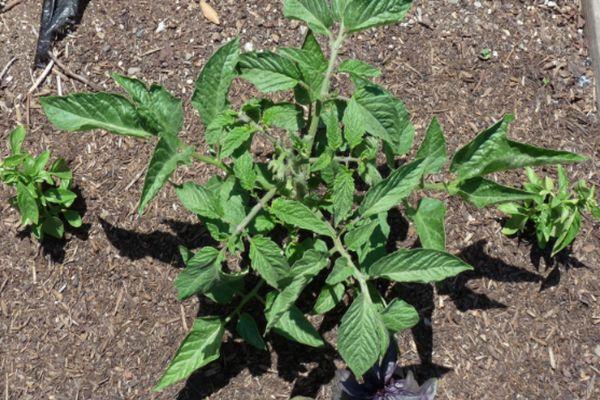
During fruit formation, mineral fertilizers are applied. To improve soil productivity, it's advisable to keep the soil free of weeds. At the same time, the soil is loosened to improve air circulation in the root system. There is no need to water the soil around the bushes too much.
This impairs growth and increases the risk of late blight. Only warm, settled water should be used for irrigation. To prevent disease, spray the bush with Bordeaux mixture and mulch the soil with ash.
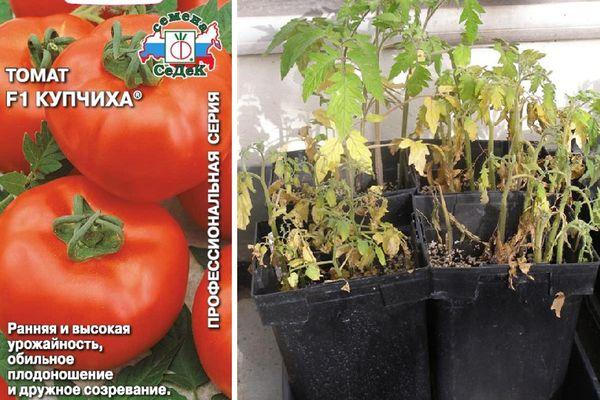
If a homemaker plants several Kupchikha tomato plants, the harvest will be sufficient for both fresh salads and canning for the winter. According to reviews from those who have planted Kupchikha f1 tomatoes, one drawback is their hybrid nature. This makes it impossible to prepare seeds for the following season and achieve the same yield.
Related posts:
 Description and characteristics of the Kupchikha strawberry variety, cultivation and care
 What is the best way to feed tomato seedlings to make them plump?
 What fertilizers and when to use for feeding tomatoes in a greenhouse
 What is the best way to mulch tomatoes in open ground and greenhouses?
 How to prepare tomato seeds for planting seedlings
 The best and most productive tomato varieties for greenhouse cultivation in the Urals, with descriptions
 Description of the best tomato varieties for open ground and greenhouses in the Krasnodar region
 Description and characteristics of the best indeterminate tomato varieties for greenhouses
