
The tall Superbanana tomato stands out for its unusually shaped fruits. The variety is relatively new, so gardeners have many questions about its qualities.
Plant characteristics
Reviews of this variety are quite mixed, which is explained by the availability of seeds from different producers. Some vegetable growers have the best impressions of this tomato, but others note that the plant doesn't match the description on the packaging. Catalogs describe the variety as indeterminate, noting the unusual nature of the fruit.
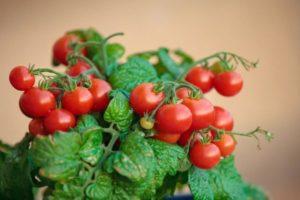
The term "indeterminate" refers to tomato varieties whose main stem grows without restriction. In practice, the plant reaches a considerable height (up to 2-2.5 m) and requires staking. Lateral shoots also grow vigorously, so it is recommended to pinch off side shoots and train the bush into 1-2 stems.
The Superbanana variety is designed for indoor cultivation. This mid-season tomato (100-120 days from sowing to harvest) is susceptible to late blight in open ground. Its yield drops significantly due to the sharp fluctuations between day and night temperatures in the second half of summer, so in central Russia it is better grown in greenhouses.

The Superbanana tomato, reviews, photos, and yield of which correspond to the variety catalog, is distributed by the companies "Gavrish" and "Aelita."
The plant is not a hybrid, so you can save the seeds of your favorite tomatoes for sowing and harvesting from your own plot. Tomatoes grown from your own seeds will match all the qualities of the mother plants.
The unusual fruits of the Superbanana variety
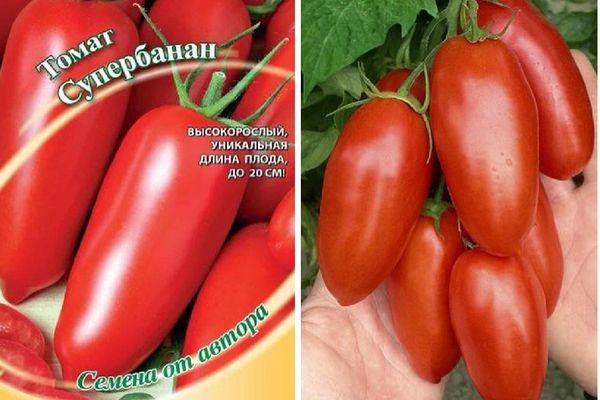
The variety's characteristics and description highlight the distinctive features of its fruit: Superbanana produces elongated tomatoes. While slightly thick (about 5 cm in diameter), they reach a length of 15-20 cm. It is this fruit shape that gives the variety its name.
Fruit characteristics:
- The color of the ripe fruit is bright red.
- The skin is very dense, the tomatoes are not prone to cracking.
- The pulp is dense and almost seedless.
These properties make Superbanana a good pickling variety. Lecho or canned salads made with these fruits are equally delicious.
The taste is excellent. The tomatoes have a high sugar content. The ripe fruit has a sweet, slightly tart flavor. The tomato aroma is quite rich.
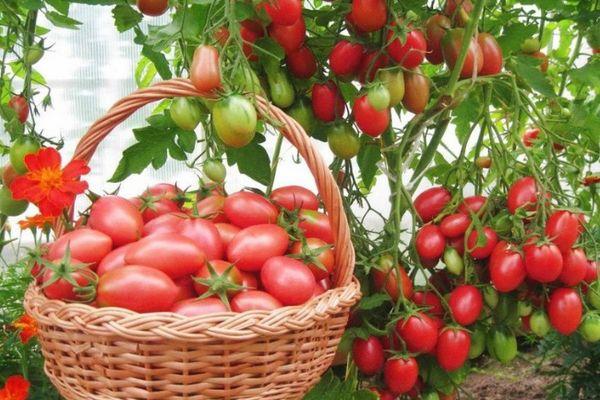
The fruit's unusual shape allows it to be cut into neat slices for sandwiches or hamburgers. The tomatoes also look attractive in salads. The fruits, resembling small red bananas, are eagerly eaten whole by children. Any homemaker who has planted a Superbanana will want to do so again.
This variety is highly productive. Fruits are produced on long clusters. Each cluster can produce up to 10-12 identical tomatoes, averaging 100-150 g. A bush produces 6-8 such clusters. It's recommended to pinch the top of the bush in mid-August to allow the fruit on the upper levels to fully ripen.
Thanks to their dense skin and flesh, tomatoes have a long shelf life and withstand transportation well. Unripe tomatoes can be picked and stored in boxes in a cool place, where they will ripen until December. This feature allows gardeners to enjoy fresh tomatoes even during the colder months.
Agrotechnical features
In central Russia and the Urals, it is recommended to grow this variety using seedlings. Sow the seeds in late March, scattering them over the surface of well-moistened soil. To ensure smooth germination, cover the seedlings with a thin layer of dry soil or sand (0.5 cm). Cover the seedlings with plastic wrap or glass until the first shoots appear.
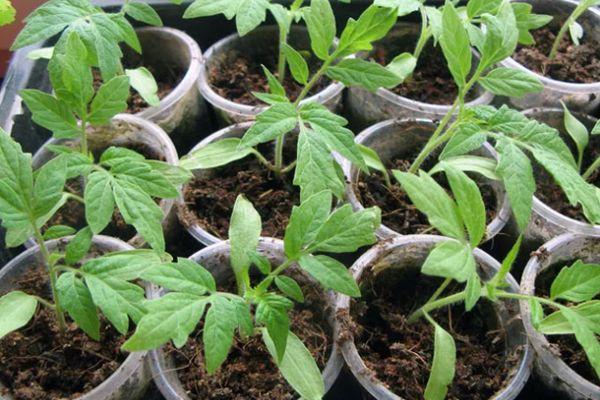
Seedlings aged 14 to 17 days are transplanted into pots or a communal planting box. The planting pattern is 7 x 7 cm. To prevent blackleg, it is recommended to water with water containing potassium permanganate (a light pink solution). After watering, dust the soil surface with wood ash.

Planting in the greenhouse takes place in mid-May. After 7-10 days, the plants should be fed with a nitrogen-rich mineral fertilizer (Nitroammophoska or another). This is necessary for good stem growth.
The bushes are trained into a single trunk. To successfully grow the Superbanana tomato, all side shoots must be removed. When the flower cluster forms, all the leaves below it must be trimmed. Repeat this process as subsequent inflorescences form. When 1-2 flower clusters form, a second feeding should be carried out: 1 tbsp. of superphosphate and 1 tsp. of potassium sulfate per 10 liters of water. The solution should be applied under each plant at a rate of 0.7-1 liter. The same fertilizer is applied every 2-3 weeks to promote good flowering and fruit set.
Related posts:
 How to properly grow a peach tree from a seed at home, planting and care
 The best eggplant varieties for growing in a polycarbonate greenhouse: planting and care
 Is it possible to grow an apricot tree from a seed in your garden? How to plant and care for it?
 Carrot care guidelines for outdoor cultivation to ensure a good harvest
 Causes and treatment of eggplant pests and diseases, how to combat them at home
 The best grape varieties for growing in the Urals, planting and care rules in summer
 Description and characteristics of the Syrah grape variety, where it grows
 Methods for planting and propagating cherries at home