The "Babushkin Podkar" tomato is a recently developed hybrid variety. These tomatoes are very juicy and aromatic, with a slightly tart, sweet flavor.
What is the Grandma's Gift tomato?
Characteristics and description of the variety:
- The Babushkin Podkar F1 variety is suitable for cultivation only during one season.
- This is an indeterminate variety, growing up to 1.5-2 m.
- Although the plant's stem is strong, it still needs to be supported.
- The root system is powerful and branched. The leaves are large and velvety, with a dark green hue.
- The first flowering occurs after the 7th leaf, then every 2 leaves.
- Fruits appear approximately 125 days after germination.
- They are round and slightly flattened in shape, with ribbed but glossy skin.
- The weight of one fruit reaches 300 g (about the size of a fist).
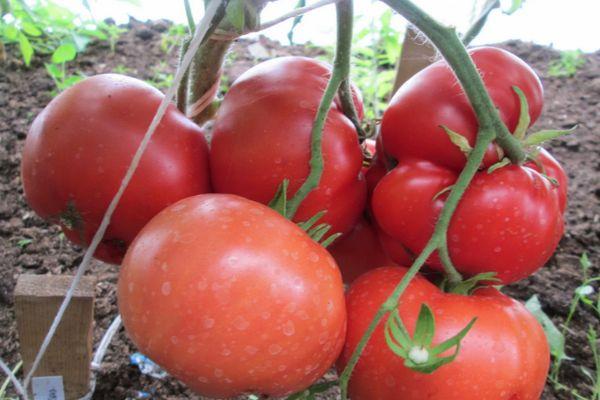
This variety produces a high yield. A single bush yields approximately 5 kg of tomatoes.
The tomato was bred in our country by the Research Institute of Protected Soil Vegetable Growing and the Agrosemgavrish company.
The "Babushkin Podark" variety is a favorite among gardeners for its excellent flavor, meatiness, sugar content, and sweetness. This tomato has a high yield, which is especially important for those who patiently care for the plant. Gavrish seeds have received numerous reviews. Tomatoes grown from this manufacturer's seed are never susceptible to disease and always produce a bountiful harvest.
How are tomatoes grown?
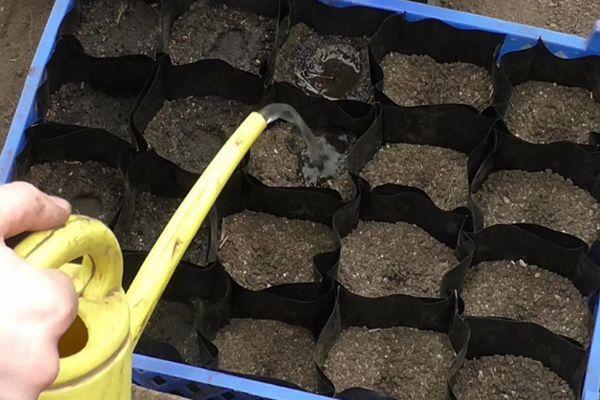
Since ripening occurs late, seeds are planted in mid-February. Plant at a depth of 2 cm, with row spacing of 2-3 cm. After planting, the soil is lightly moistened with a spray bottle and covered with plastic film to retain moisture and warmth. Once the seedlings emerge, remove the film, and place the container in a bright, warm location.
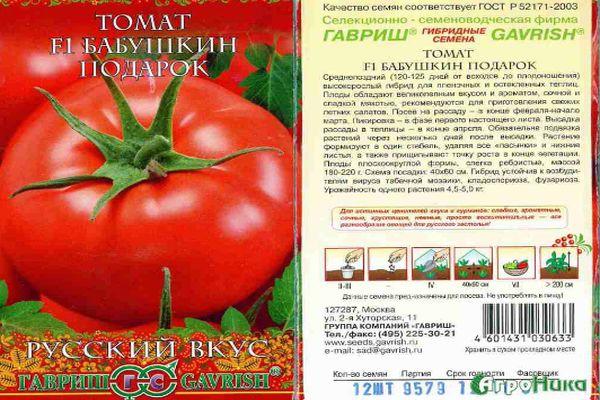 To protect Grandma's Gift tomatoes from various diseases, it is recommended to disinfect the seeds and soil with a light solution of potassium permanganate.
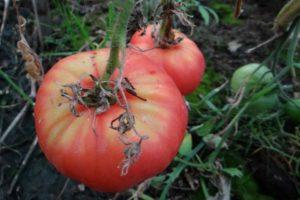
Seedlings are planted in their permanent location in early May. If planting in open ground, it's best to protect the plants with plastic or covering material for the first week to allow them time to adapt. The distance between plants should be 40-50 cm. A staggered pattern is the most optimal.
To protect the plant from breakage and promote proper development, you should immediately tie it to the support using soft strips of fabric or a bandage.
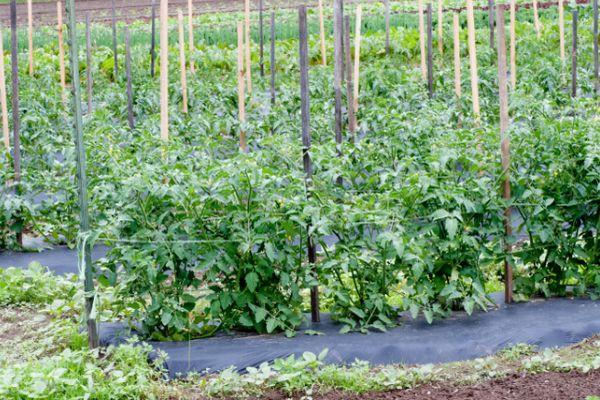
Gardeners and amateur gardeners should pay special attention to watering. Proper watering promotes healthy tomato growth. Excessive watering can kill or cause disease. Water should be applied only to the roots; the leaves should remain dry. The optimal time for this procedure is evening. It's best to use rainwater or settled water. Tomatoes are heat-loving plants, and cold water can reduce yield.

The soil should not be compacted or hard. Loosening the soil and removing weeds improves and develops the root system, which positively impacts the taste of tomatoes. Fertilizing tomatoes is essential, with intervals of 10-14 days.
Pinching out side shoots and shaping the bush
From the first day, the tomato plant is trained into a single stem. The plant stem is freed from leaves, and all shoots (side shoots) growing between the main stem and the leaves are removed. If these side shoots are left, they will rob the fruit of nutrients, which will harm the entire harvest.
Hybrid tomato varieties are disease-resistant, but preventative measures are recommended. To do this, spray the plants with a microbiological pesticide.
Tomato diseases include late blight, mosaic, fusarium, and powdery mildew.
Related posts:
 Characteristics and description of the tomato variety Babushkin Secret, yield and cultivation
 Description of the Podarok Nesvetaya grape variety, planting and care
 Description of the cucumber variety Babushkin Vnuchok F1, cultivation and pest control
 Description of the white cabbage Gift and cultivation guidelines
 Description of the apple tree variety "Gift to Gardeners" and the subtleties of growing it
 Description of the Gift for a Woman tomato, growing and caring for the hybrid
 Description of the Babushkin Sekret f1 cucumber and greenhouse cultivation guidelines
 Description of the best varieties of black tomatoes for open ground and greenhouses