
Early-ripening "Finger-licking" tomatoes live up to their delicious name. Juicy and sweet, these tomatoes can be used as an ingredient in any dish. They're also ideal for canning without sterilization.
Advantages of the variety
The new early-ripening tomato, "Finger-Lickin'," is designed for both open- and protected-field cultivation. It takes 103-10 days from germination to fruiting.
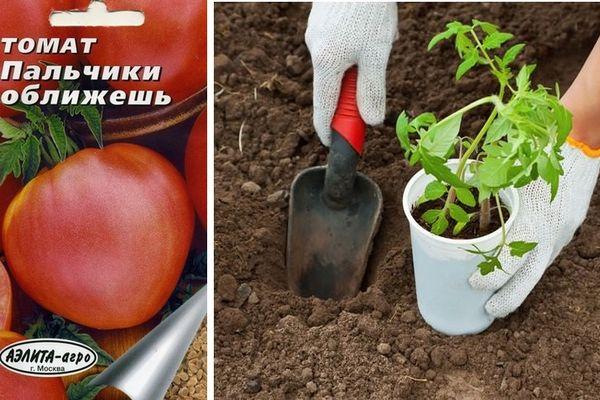
Indeterminate compact bush reaches a height of 140-180 cm during the growing season. Plants with few leaves.
The fruits are large, weighing 150-240 g. The variety yields up to 8.5-10 kg per square meter. The tomatoes have fleshy flesh, and when cut horizontally, two chambers with a small number of seeds are visible. Tomatoes harvested at the biological ripeness stage ripen well in a warm environment.
There are several varieties of the "Finger-licking" variety, each differing in fruit shape and color. For example, the orange tomato is characterized by an elliptical shape and firm flesh. Fruit weight ranges from 103-110 g.
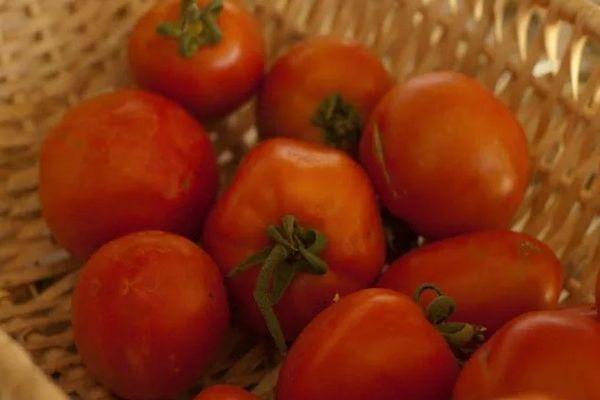
These low-growing, 50-cm-tall tomatoes have excellent flavor, a heart-shaped form, and a deep crimson color. They contain a high concentration of dry matter and sugars. They weigh up to 150-200 g.
In cooking, the fruits are used fresh, processed into juice, and puree. Canning tomatoes without sterilization is also possible. The preparation method involves a step-by-step process.
Tomatoes and spices are placed in jars treated with boiling water. The tomatoes are then poured with boiling marinade. The process is repeated three times, bringing the drained marinade to a boil.
This method sterilizes tomatoes and preserves them perfectly for the required shelf life. The flavor of the cooked tomatoes is rich and fresh, truly finger-licking good.
Agricultural technology for tomato cultivation
Growing seedlings requires special attention, as the yield depends on their quality. Before planting, it's recommended to screen the seeds using a solution of table salt and water.
With this filtration, the poor-quality material will end up at the top of the container with liquid. After this, the seeds are treated with a growth stimulant. The seeds are placed in a container with prepared soil at a depth of 1 cm and watered with warm water using a spray bottle.
Cover the container with plastic wrap until the sprouts emerge. To ensure uniform germination, maintain an optimal temperature of 23–25°C. For normal seedling development, provide adequate light and extend daylight hours with a fluorescent lamp.
The plant's first inflorescences appear during the formation of the third leaf, at which point the seedlings reach a height of 10 cm. If there is insufficient light, weak flower buds may form.
To force the plant to produce new flower stalks, in early May the stem is cut at the level of the 2nd true leaf, stimulating the formation of new shoots.
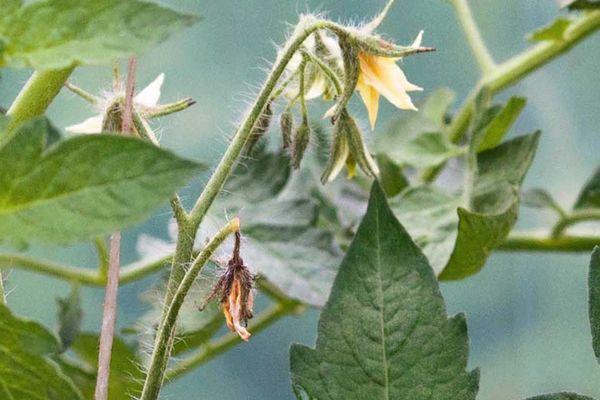
When two true leaves have formed, transplant the seedlings into individual peat pots, which are convenient for transporting them to their permanent location. When the first flower stalk has formed, plant them in prepared holes.
Before planting, seedlings are hardened off for 7-10 days by placing them outdoors and gradually increasing the time spent outside, from 30 minutes to several hours. Unhardened plants are more susceptible to late blight, weakening the first inflorescences and fruits.
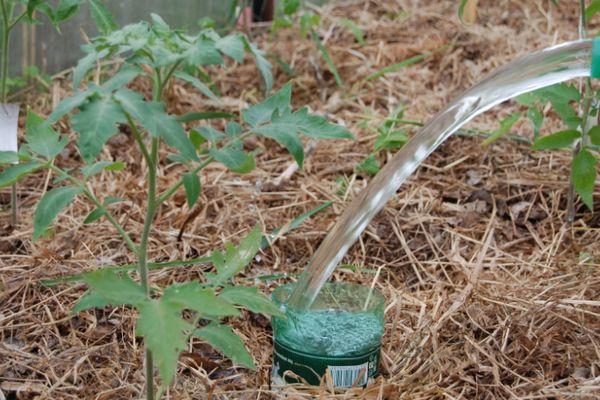
Select well-lit locations for planting seedlings. After the spring frosts have passed, transplant the bushes into prepared holes watered with warm water.
To increase yield, the bush is trained into 1-2 stems, removing excess shoots and old lower leaves. It is recommended to tie the plants to stakes. Such measures provide better access to light and air and reduce the risk of fungal infections.
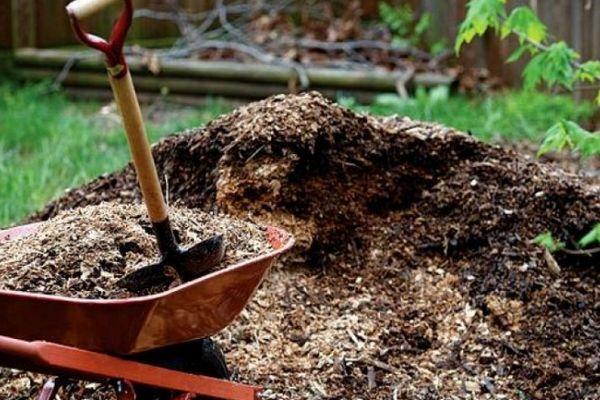
To boost the crop's immunity to late blight, preventative treatments are carried out. Care includes timely watering and periodic application of mineral fertilizers.
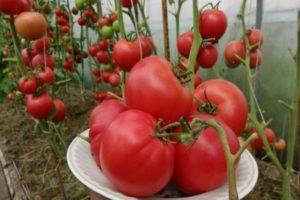
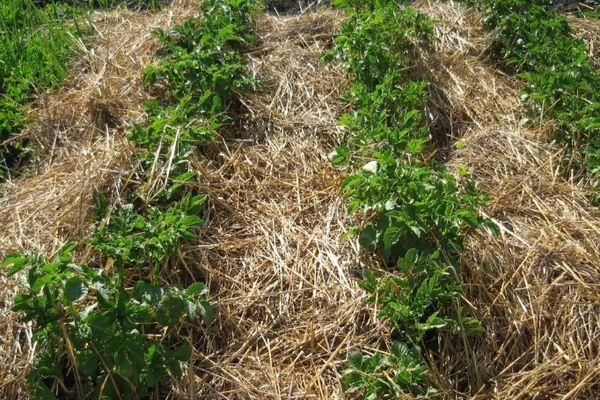
To regulate soil moisture and prevent weed growth, mulch the soil with non-woven fiber. Straw and leaves are used as organic mulch. This material provides additional nutrition for tomatoes.
Related posts:
 What is the best way to feed tomato seedlings to make them plump?
 What fertilizers and when to use for feeding tomatoes in a greenhouse
 How to prepare tomato seeds for planting seedlings
 What is the best way to mulch tomatoes in open ground and greenhouses?
 The best and most productive tomato varieties for greenhouse cultivation in the Urals, with descriptions
 Which tomato varieties are best for open ground?
 Description of varieties of sowing peas and cultivation, to which family they belong
 When and how to properly transplant tomato seedlings, the best days in 2025