
For those choosing to plant the Glavny Kalibr F1 tomato, the description of this hybrid variety may seem too far-fetched. However, the enthusiastic reviews and photos from gardeners who have been planting seeds from "Gardens of Russia" since 2015 confirm the merits of these tomatoes.
Characteristics and description of the variety
The bush is a determinate variety, but quickly develops foliage. The Main Caliber tomato reaches a height of 1.7-1.8 m, after which the plant tops itself and stops growing. Five to six inflorescences form per season.
The hybrid is mid-season, so in Russian conditions, the first harvest is only possible in late July or early August. Growing tomatoes in a greenhouse can yield earlier fruits.
The Main Caliber hybrid yields approximately 10 kg per plant. This is achieved not by the abundance of tomatoes per plant, but by their unusually large size. A cluster produces 3-5 fruits, each averaging 500-550 g, but individual tomatoes can be much larger.

Like all modern varieties and hybrids, Glavnyi Kalibr is resistant to temperature fluctuations and adverse weather conditions. These tomatoes produce well both in greenhouses and open ground, even in Siberia and the Amur region. Tomatoes Main Caliber are also resistant to late blight..
To prevent the appearance of fungus on tomato plantations, it is recommended to form strong bushes with 2-3 stems, tying them to a trellis, and trimming the lower leaves to 1/3 of the plant's height.
Description of fruits
The Main Caliber F1 tomato is a variety with characteristic beefsteak characteristics. The large, rounded, flattened fruits, lightly ribbed at the stem, are fleshy and produce almost no seeds. The tomatoes on the truss are approximately the same size, with almost no small fruits.

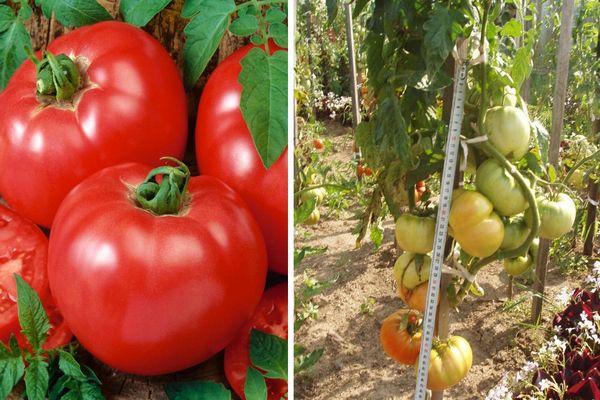
The tomato skin turns crimson-red when biologically ripe. In open ground, the base of the fruit may have a greenish tint. The skin is thin but strong; the fruits do not crack during ripening and maturation, ensuring a high shelf life even under adverse conditions. Tomatoes are easy to store; even ripe fruits retain their flesh structure and flavor for several days. Unripe tomatoes ripen easily indoors.
The flesh of the Main Caliber hybrid variety is red, very fleshy and juicy, with a distinct graininess when broken. The flavor profile is characterized by a traditional sweet-and-sour flavor and tomato aroma when ripe, along with a delicate texture.
Their primary purpose is to eat them fresh. Tomatoes look great sliced for festive occasions, and they make a delicious salad. Slices of their fleshy flesh are perfect for sandwiches, burgers, and attractive vegetable appetizers.

Russian gardeners have expanded the uses of the Main Caliber tomato. Rich in nutrients, these vegetables can be processed into juice or sauces. The thick pulp requires very little time to boil. The rich flavor of the resulting tomato juices and pastes makes them ideal for making delicious lecho and sauces.
How to grow large tomatoes?
Seedlings are sown 80-90 days before the expected planting date. There's no need to germinate the seeds before sowing; simply soak them in a warm pink solution of potassium permanganate for 30-40 minutes and then dry them until they are crumbly.
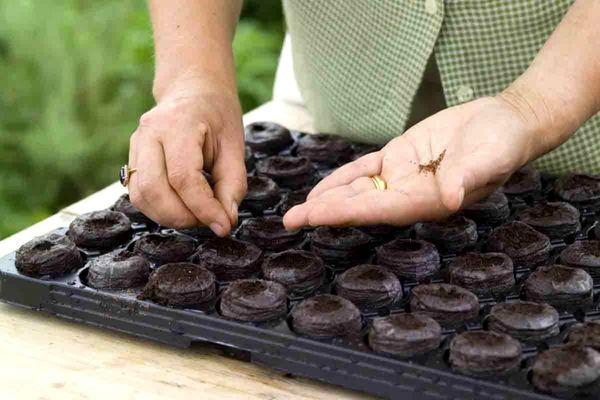
Before sowing, the soil should be disinfected and thoroughly watered. Spread the seeds over the surface of the soil and cover with a 0.5 cm layer of dry soil. Cover the seed tray with plastic film, leaving holes for air circulation. Place the container in a warm place (+25°C) and leave it undisturbed for 4-5 days. Once the first shoots appear, remove the film.

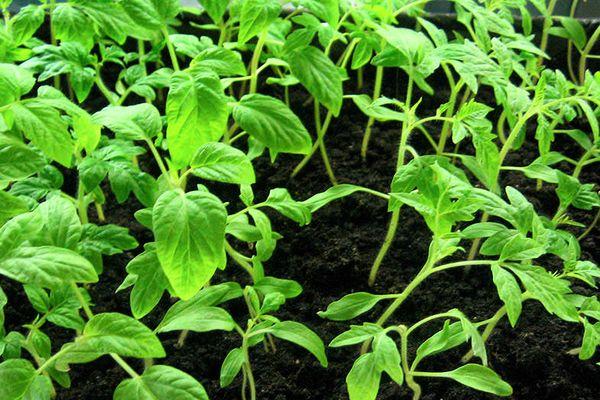
The seedlings should be watered as needed, and when they develop 2-3 true leaves, transplant them into individual 7-cm diameter pots. After this, water them regularly, avoiding over-watering. The optimal soil temperature ranges from 16 to 25°C.
Soil for growing large tomatoes is prepared in the fall: the beds should be fertilized with organic fertilizers (humus) and complex mineral mixtures (Agricola, Kemira, Signor Pomidor, etc.). A small amount of dolomite flour, ground chalk, or eggshells (1 kg per 1 m²) should be added to the soil. If there is a calcium deficiency, large-fruited tomatoes can be affected by blossom-end rot.
Plant the seedlings at a rate of 3 bushes per 1 m². As the bushes grow, tie them to a support, and when the first flower cluster appears, remove all leaves below it. Side shoots should also be systematically removed from the plant, leaving one above the first cluster to form two stems.
Related posts:
 Instructions for use and composition of the herbicide Caliber, consumption rate and analogues
 Description of the best varieties of black tomatoes for open ground and greenhouses
 The best eggplant varieties for growing in a polycarbonate greenhouse: planting and care
 TOP 17 recipes for pickled sweet tomatoes for the winter
 Delicious recipes for canned tomatoes with honey for the winter, preparation steps
 15 simple recipes for pickling tomatoes in jars for the winter
 Recipes for amazing tomatoes in jelly for the winter, with and without sterilization, you'll lick your fingers
 Description of the best Dutch tomato varieties for greenhouses and open ground