
The Sugar Plum Raspberry tomato is popular among vegetable growers due to its excellent taste and rich raspberry color. Among the many varieties with similar names is the beef tomato Sugar Raspberry, whose main advantages are its vitamin and mineral content.
Advantages of the variety
The Sugar Plum Raspberry tomato is designed for indoor cultivation. This early-ripening variety begins bearing fruit 87-95 days after sprouting. The semi-determinate plant reaches a height of 120-140 cm.
As it grows, it requires moderate pruning and tying to a trellis or support. When ripe, the fruits acquire a deep crimson color. The tomatoes have firm skin and an elongated shape, resembling a plum in appearance.
These tomatoes have fleshy pulp containing a high concentration of sugars and vitamins. When cut horizontally, small chambers containing seeds are visible. Fruit weight reaches 20-25 g. This variety is distinguished by its abundant fruiting, technological qualities, and transportability.
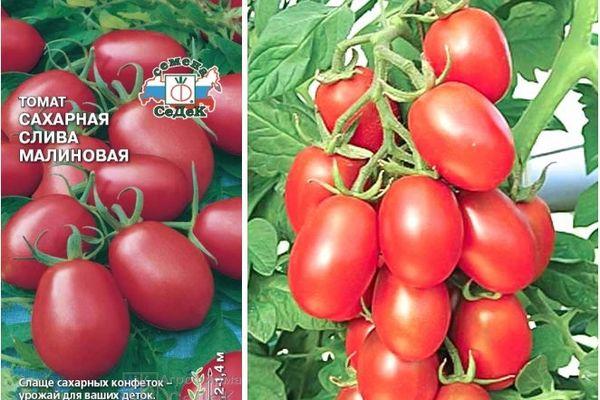
The yield per square meter reaches 7-8 kg. Reviews from vegetable growers point to the variety's primary value, which lies in its abundant fruit production. The tomatoes are used fresh as an ingredient in various dishes. When canned, the fruits retain their shape.
A variety with a similar name
The exquisite beefsteak tomato, Sakhar Raspberry, is designed for indoor cultivation. This mid-late-ripening variety begins bearing fruit 115-120 days after germination.
This indeterminate plant reaches a height of 120-150 cm during the growing season. The bushes require selective removal of side shoots and tying to a support. When planting in a permanent location, maintain a distance of 30-40 cm between bushes.
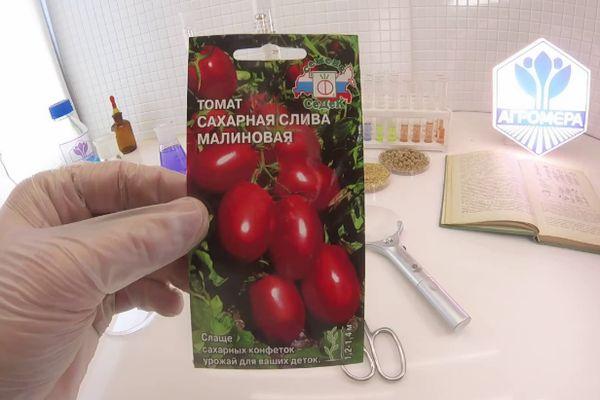
This variety is resistant to disease and high temperatures, and has a long fruiting period. Up to five tomatoes weighing 150-180 g form and ripen per cluster. Yields reach 8-10 kg per square meter. Peak ripening occurs in August, although the first tomatoes can be picked in July.
Take a look Also
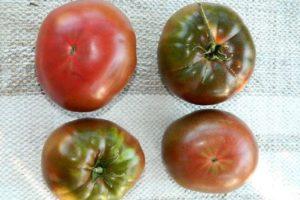
These sugary, vitamin-rich tomatoes are flat and round, with a glossy surface and fleshy flesh. They are sweet in taste and have a distinct tomato aroma. When ripe, they acquire a crimson color. These tomatoes are recommended for fresh consumption and can be processed into juice and paste.
Cultivation techniques
Sow seeds for seedlings in the second ten days of March. To do this, place the seeds in containers with prepared soil at a depth of 1 cm. After moderate watering with warm water using a spray bottle, cover the container with plastic wrap until the sprouts emerge.
When growing crops from seedlings, careful monitoring of temperature, air, and soil humidity is essential. Proper lighting is essential for the seedlings to thrive.

You can extend daylight hours using fluorescent lamps. Any deviations from growing technology negatively affect the quality of planting material.
When one or two true leaves have formed, transplanting is performed. For this purpose, it is recommended to use peat pots filled with substrate, which can be used to transplant the seedlings to their permanent location.
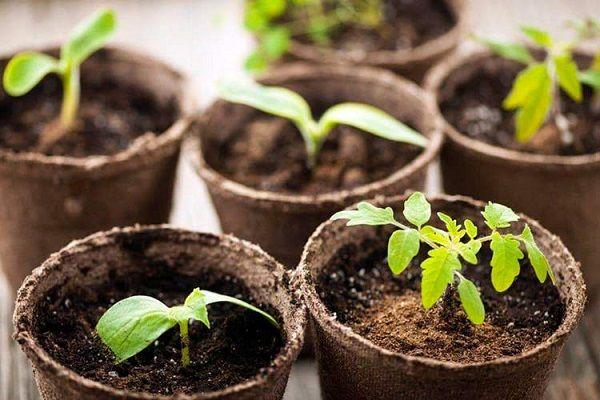
By mid-May, 6-7 leaves have formed on the bushes. Seedlings with one flower stalk are transplanted into the ground. A week before planting, the plants are hardened off by changing the temperature. To do this, the seedlings are placed outdoors, gradually increasing the time spent outdoors from 30 minutes to several hours.
Semi-determinate bushes are recommended to be grown with 2-3 stems. When removing shoots, two shoots are left as spare shoots. After the main stem stops growing, the side shoots continue to grow, and ovaries form on them.
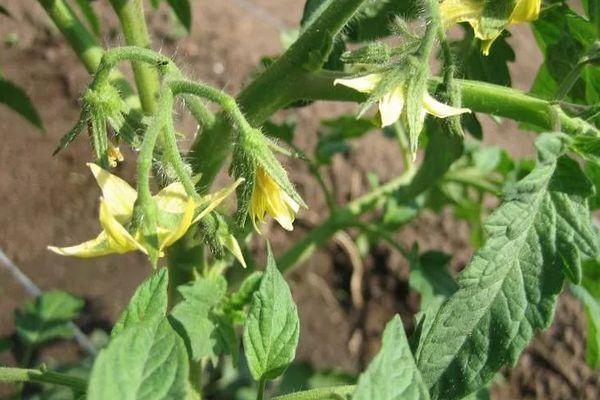
During the growing season, compact bushes develop. With proper support, 8-9 seedlings can be planted per square meter. This variety is demanding regarding soil composition. To ensure a high yield, periodic mineral fertilizer application is required according to the manufacturer's recommendations.
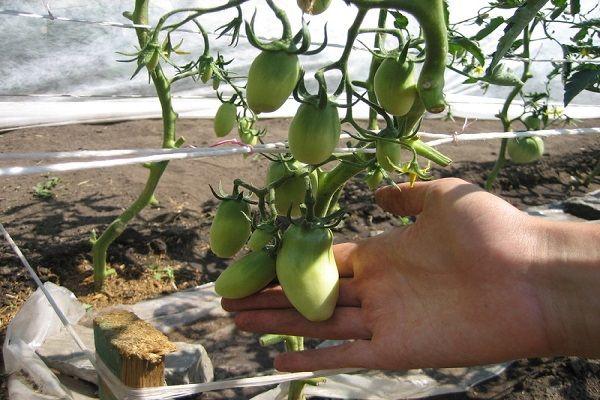
When growing tomatoes, it's important to remember that the best predecessors for them are carrots, cucumbers, zucchini, and parsley. Before each planting, it's recommended to enrich the soil with organic fertilizer, compost, and peat.
To ensure uniform watering and prevent weed growth, mulch the soil with a special fiber. Using grass, straw, and leaves as mulch enriches the soil with nutrients essential for tomato growth.
Related posts:
 Description of the best varieties of black tomatoes for open ground and greenhouses
 The best eggplant varieties for growing in a polycarbonate greenhouse: planting and care
 The best grape varieties for growing in the Urals, planting and care rules in summer
 Descriptions of the 20 best cherry varieties for the Moscow region, their planting and care
 80 Best Eggplant Varieties for Different Regions with Descriptions and Characteristics
 What varieties of tomatoes are best to plant in a polycarbonate greenhouse?
 Description and characteristics of the sweetest tomato varieties for greenhouses and open ground
 The best and most productive tomato varieties for greenhouse cultivation in the Urals, with descriptions
Take a look Also
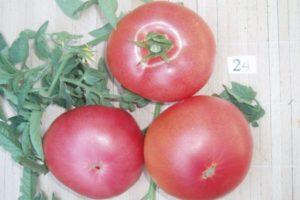
I love this tomato variety, and my children are delighted with the small, ruby-red tomatoes with their sweet flesh and thick, aromatic juice. I carefully care for these tomatoes, despite their low maintenance. One of their advantages is their excellent yield, so I use them not only for eating but also for canning. I tried growing some of the plants with a growth bioactivator. BioGrow and settled on this option, as growth noticeably increased and the harvest was abundant.