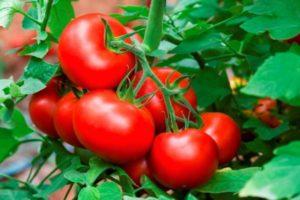
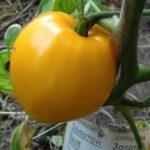
The beautiful and delicious Golden Rain tomato produces a bountiful harvest of teardrop-shaped fruits. These elegantly shaped tomatoes, with a sweet flavor and a tomato-fruity aroma, are perfect for fresh eating, canning, and dietary use.
Advantages of the variety
Golden Rain tomatoes are suitable for cultivation in open ground and greenhouses. This indeterminate variety produces a bush 150-180 cm tall during the growing season. The leaves are medium-sized and intensely green.
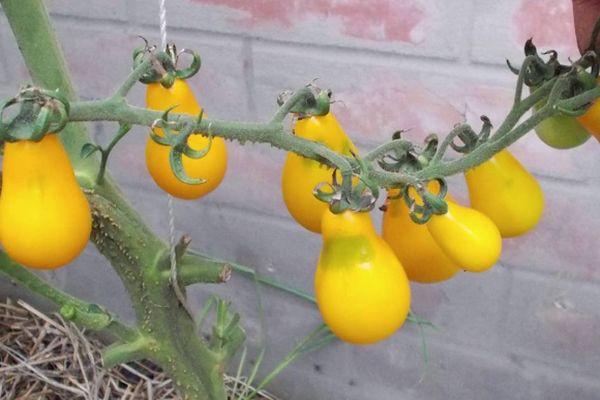
This mid-season tomato begins bearing fruit 135-140 days after germination. It takes 80 days from planting the seedlings to harvesting.
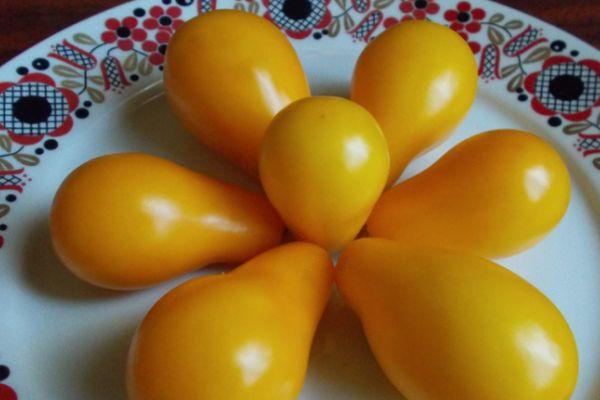
Complex clusters produce 6-8 fruits, resembling yellow lanterns. These elegant tomatoes have a glossy surface, without a green spot near the stem, and weigh 15-30 g. With proper cultivation, the yield can reach 3.5 kg per square meter.
The fruits ripen gradually in the cluster, separating easily from the stem when picked from the bush. The tomato flesh is meaty and sweet. When cut horizontally, numerous chambers containing seeds are visible. The fruits have dense skin and a distinct aroma.
The Golden Rain tomato is sensitive to air humidity and is demanding of soil composition. Sandy loam and loamy soils are ideal for cultivation.
In cooking, tomatoes are used to make sauces, pastes, and preserves. The fruits are part of a healthy diet and are beneficial for those allergic to red vegetables. Yellow tomatoes contain a substance called myocin, which has a positive effect on blood vessel walls.
Cultivation techniques
Golden Rain tomatoes are demanding when it comes to growing conditions, so to achieve the desired results, it's important to follow proper cultivation practices. Seeds for seedlings are sown in the second half of March.
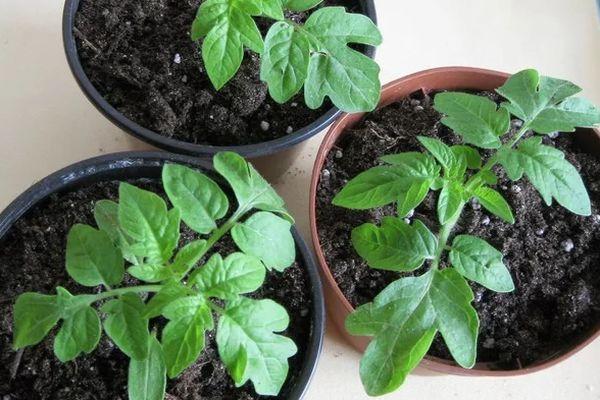
The seeds are placed in containers with prepared soil at a depth of 1 cm. The permissible air humidity level during seedling germination should not exceed 65%.
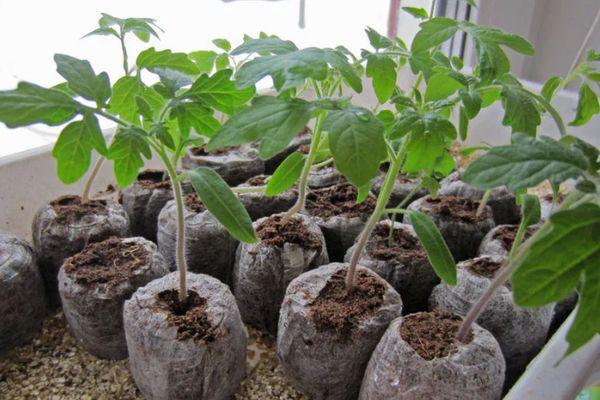
The seedlings require additional lighting to extend daylight hours using fluorescent lamps. The air temperature should be maintained at 18°C. When one or two true leaves have formed, transplant them into individual containers.
Using peat pots helps prevent damage to the root system when transplanting to a permanent location. Seedlings are transplanted into the open ground after the spring frosts have passed.
Plant bushes 60 cm apart, maintaining a 70 cm distance between rows. During the growing season, it is recommended to apply mineral and organic fertilizers according to the manufacturer's recommendations.
To maintain a balance of moisture and air around the root system, it is recommended to periodically loosen the soil and hill the bushes. Mulch ensures uniform moisture distribution during watering.
Mulching the soil with black non-woven fiber prevents weed growth. When used as a cover for grass and straw, it enriches the soil with an additional source of organic nutrients for crops.
When growing the Golden Rain tomato, you need to carefully monitor the condition of the soil and avoid over-watering. During periods of prolonged rain, it is recommended to cover tomatoes in open areas with film.
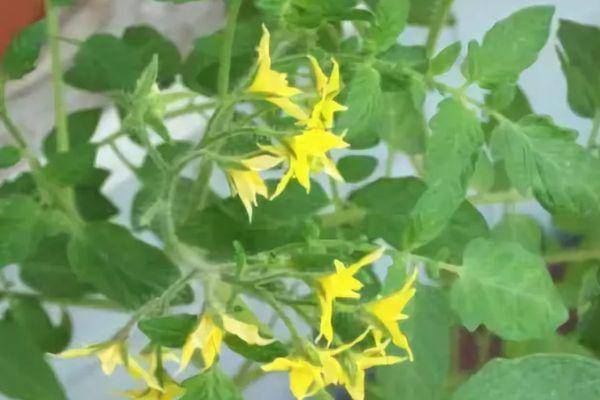
When grown in a greenhouse, overheating negatively impacts pollination (it sterilizes the pollen from the flower stalks). To increase yield, it is recommended to plant the plants in 2-3 stems and regularly remove side shoots.
During fruit ripening, ensure maximum light exposure. Clusters and bushes require staking. To prevent late blight, treat the bushes with a mixture of slaked lime and copper sulfate or other means.
When growing tomatoes, consider crop rotation. The best predecessors for tomatoes are legumes, which enrich the soil with nitrogen.
Related posts:
 The best eggplant varieties for growing in a polycarbonate greenhouse: planting and care
 Description of the large-fruited tomato Golden Age, cultivation and care
 Description of the Golden Nugget tomato fruit and tips for growing the plant
 Description of the Golden King tomato and recommendations for growing the variety
 Methods for planting and propagating cherries at home
 40 Best Yellow Pepper Varieties with Characteristics and Descriptions
 Description of the giant-fruited tomato Zolotoy Bull and the variety's yield
 Description of varieties of sowing peas and cultivation, to which family they belong