
Despite thousands of tomato varieties having been developed, breeders continue to push the boundaries, creating hybrids that rarely suffer from disease and produce excellent fruit. The Kukla f1 tomato is one of the latest and most successful developments for greenhouse cultivation. In regions with sunny, long summers, this hybrid tomato ripens in the garden.
Nowadays, it is difficult to imagine a table without sweet fruits rich in microelements, vitamins, and lycopene, which acts as a natural antioxidant.
Description of the variety
The Kukla hybrid is a determinate plant. The tomato bushes are tied to a trellis and side-shoots are removed, although they do not exceed 70 cm in height. The large leaves have a characteristic dark green color.
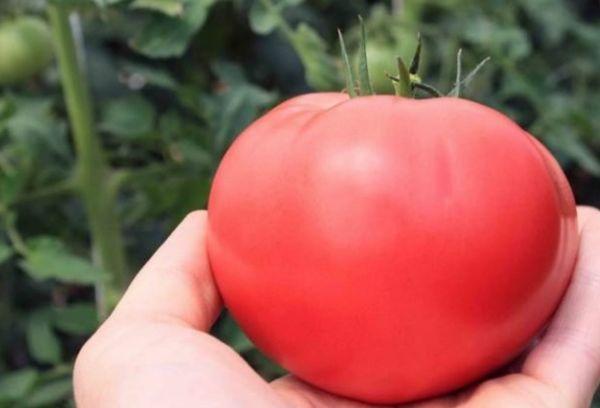
Up to 5 ovaries are formed on one brush, and the same number of tomatoes ripen on each one, possessing:
- rounded shape;
- dense pulp;
- pink color;
- sweet taste;
- with a delicate aroma.
A ripe 4- or 6-chambered fruit weighs approximately 200 g, with tomatoes weighing up to 400 g. 9 kg of tomatoes are harvested per square meter, despite the fact that determinate varieties are characterized by growth retardation.
The F1 Kulika is rarely affected by disease and is resistant to the elements, like other hybrid varieties. Its classification is indicated by the letter "f" on the seed packet. The first fruits, which contain more than 8% sugar, are harvested 86 days after the growing season.
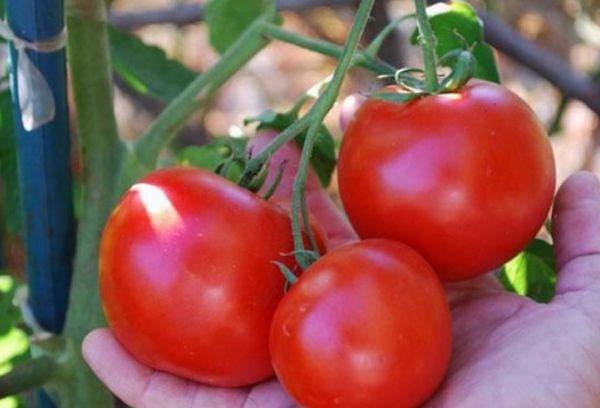
The tomatoes have a long shelf life, don't rot, and retain their marketable appearance during long-distance transportation. This characteristic of the hybrid appeals not only to gardeners but also to farmers who grow tomatoes for sale. Kukla's yield is higher than that of other early-ripening varieties.
Tomatoes do not crack after heat treatment and are used in salads, first and second courses, and for making ketchup and juice.
Growing
Seeds for planting hybrids must be purchased from retailers; they cannot be harvested from the fruits. To speed up germination, the seeds are wrapped in wet gauze for a couple of days after being treated with a growth stimulant.

The seeds are planted in boxes filled with special soil, leaving about 2 centimeters between them. Cover the containers with plastic wrap and place them in a warm, dark place. When sprouts appear, water the tomatoes, and place the boxes near a sunny window. The seedlings thrive when temperatures are at least 20 degrees Celsius during the day and 15 degrees Celsius at night. Provide supplemental lighting during cloudy weather.
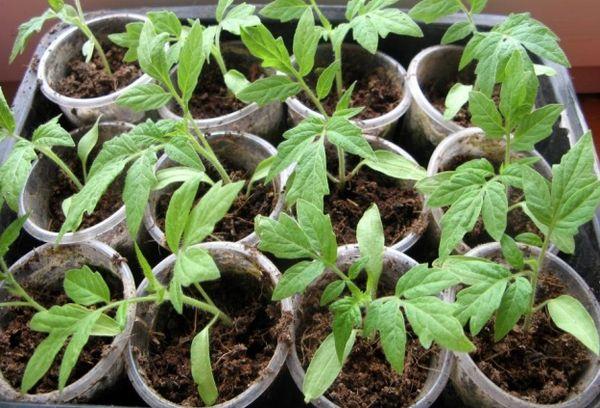
Tomatoes are ready to be transplanted when two leaves have formed. Once established, the tomato plants are transferred to a garden bed or greenhouse no later than two months after sowing for seedlings, having first hardened off on a terrace or balcony. Tomatoes are ready to be transplanted to a permanent location;
- with developed roots;
- with 5 leaves;
- about 30 cm tall.
Tomatoes are planted in a bed where beans, garlic, onions, grains, and melons were grown last season. The soil is tilled in the fall, adding compost, superphosphate, and potassium fertilizer. Peat and sawdust are added to clay soil. The bushes are planted in holes dug every 50 cm, along with the soil, the roots are covered, and the surface is lightly compacted.
Care Features
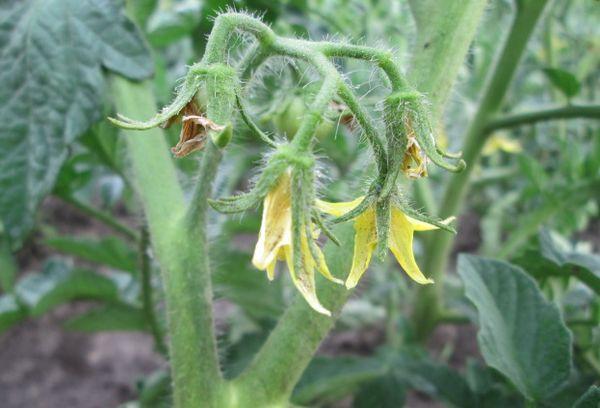
When the Kukla tomato variety produces a flower cluster, the side shoots are removed, leaving only those growing above it. The bushes are tied to a support. Shoots growing from the leaf axils, which sap the tomatoes' strength, are pinched off. Caring for this hybrid includes:
- top dressing;
- watering;
- loosening the soil;
- weed and pest control.
Tomatoes require mineral fertilizers and organic matter. Three weeks after planting, dissolve a spoonful of nitrophoska, which contains micronutrients such as potassium, nitrogen, and phosphorus, in a bucket of water. Add the mixture to the roots of the hybrid.
After 14 days, apply a second fertilizer to the tomatoes, using potassium salt and superphosphate. Next time, replace the complex fertilizers with wood ash. Fertilizing with humate accelerates tomato ripening. One tablespoon of this fertilizer is sufficient for 10 liters of water.
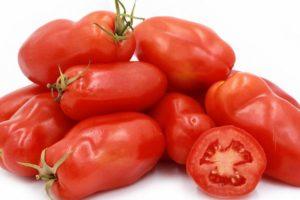
Tomatoes lack moisture, causing their leaves to curl and yield to decline. Tomatoes with too much water crack and lose flavor. Watering once a week is sufficient until fruit set. When tomatoes are still hanging on the vine, the plants require less water, but water the soil beneath them every three days in the evening or morning.
Plants absorb micronutrients better when the soil is loosened after watering. When a crust forms, air access to the root system is restricted.
Advantages and disadvantages
Before planting a new tomato variety, experienced gardeners carefully study the description, which highlights important characteristics. The advantages of the Kukla hybrid are determined by:
- resistance to major diseases;
- fast and uniform ripening;
- high productivity;
- beautiful fruits.

Tomatoes ripen both in the greenhouse and in the garden, but home-collected seeds are not suitable for planting. Like other determinate varieties, tomato plants stop growing and ovaries fail to form, which is not to everyone's taste.
Pests and diseases
The Kukla hybrid is virtually immune to tobacco mosaic disease and is not susceptible to verticillium wilt, which often kills nightshade crops. Tomatoes are not susceptible to late blight, as the fruits ripen quickly and the bushes stop growing. To prevent the plants from becoming infected, which can occur in high humidity, spray them with Fitosporin.
Whiteflies and aphids feast on tomato leaves, and mole crickets eat the roots. To combat pests, bushes are treated with tobacco dust, and the soil is watered with ash solutions and infusions of onion and garlic peels.
 Spraying with fungicides helps control the Colorado potato beetle, which feeds on young leaves.
Harvesting and storage
Kukla tomatoes are harvested three months after planting. In hot weather, they ripen daily. Fully ripened fruits can be used for cooking, juice, ketchup, and sauce for several days.
Green tomatoes store well when sprinkled with sawdust. They also stay fresh in boxes for a long time if stacked in two or three layers.
Take a look Also

Reviews
The Kukla hybrid variety was developed by breeders for greenhouse cultivation, but it is also planted in garden beds. To get a full understanding of this tomato, you should read not only the description but also reviews from gardeners who have already harvested these tomatoes.

Evgeniya Ivanovna, 46, Stavropol: "After listening to a neighbor's advice, I bought seeds of the hybrid variety 'Kukla' last spring and haven't regretted it. I loved the taste and the unusual pink color of the tomatoes. They ripened evenly, and I picked them almost every day."
Viktor Petrovich, 54, Chelyabinsk Oblast: "I've been growing tomatoes in a greenhouse for a long time, and I've especially liked the 'Kukla' hybrid. The sweet and firm fruits store well, are suitable for canning, and look beautiful on the bushes. I enjoy caring for them."
Gardeners love Kukla tomatoes because they ripen quickly, are disease-resistant, and produce a decent harvest of fleshy tomatoes.
Related posts:
 Description of the Masha Doll F1 tomato, growing the hybrid, and gardener reviews
 Description of the best varieties of black tomatoes for open ground and greenhouses
 15 simple recipes for pickling tomatoes in jars for the winter
 Description of the best Dutch tomato varieties for greenhouses and open ground
 TOP 17 recipes for pickled sweet tomatoes for the winter
 The best eggplant varieties for growing in a polycarbonate greenhouse: planting and care
 Step-by-step technology for growing tomatoes on the balcony, the best varieties with descriptions
 How to grow cherry tomatoes on a balcony: suitable varieties and planting and care guidelines