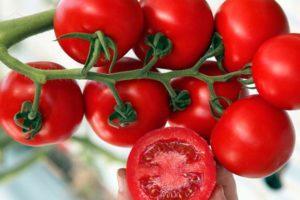
Gardeners are interested in how to grow the Tomsk f1 tomato. This variety is relatively new, but has already proven itself to be a top performer. Its fruit is suitable for various dishes, ketchups, juices, tomato paste, and canning. One of its advantages is that it's ideal for fresh eating.
Description of tomato
The Tomsk F1 variety is a new addition to the domestic market. This hybrid was developed for harsh climates and has its own unique characteristics.
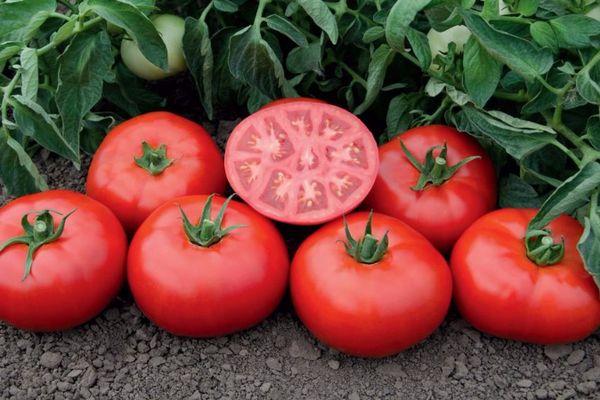
Characteristics and description of the variety:
- The ripening period is 70-75 days from planting seedlings to harvest.
- The plant is of the determinate type (height in open ground does not exceed 1 m).
- Large size of the vegetable (up to 300 g).
- Smooth and shiny fruit.
- Bright red color without a green spot at the stem.
- Round shape.
- Rich aroma and taste with a pleasant sourness.
- It has a high level of sugars, lycopene and microelements.
- Resistance to pests and diseases.
- Good shelf life and transportability.
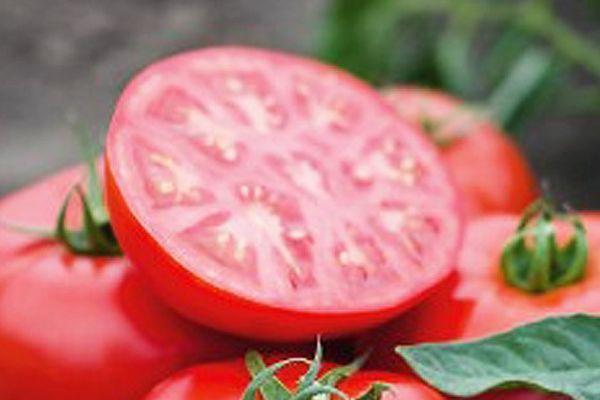
How are tomatoes grown?
It's important to understand that the Tomsk F1 variety is a hybrid. This means that harvesting seeds from it is pointless—the harvest produced from them will be meager.
These tomatoes are grown both in greenhouses and in the open field. Despite their small stature, the bush itself is quite vigorous, so it requires support. When planted in open ground, the variety produces best results when trained into 2-3 stems and tied to a support. In plastic shelters, it's better to train the bush into 1-2 stems.
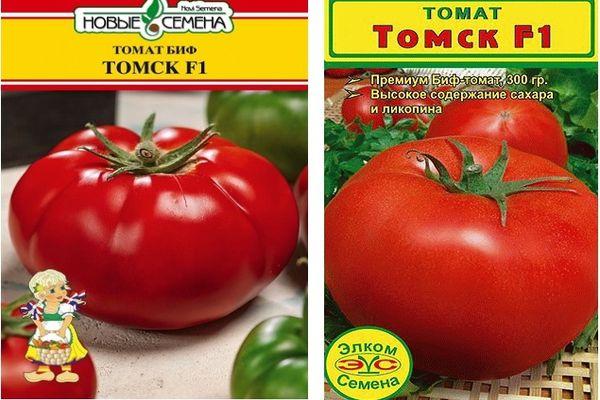
It is a heat-loving crop. Seeds begin to germinate at a constant air temperature of 12 to 14°C. At 10°C, seed germination is no more than 10%, and vegetative growth ceases. At an average temperature of 15°C or higher, the seedling does not bloom. If the temperature drops to 0°C, even for a short period, the tomato will die.

If possible, the hybrid should also be protected from high temperatures; when temperatures exceed +32°C, the plant's pollen grains become nonviable, and photosynthesis efficiency decreases.
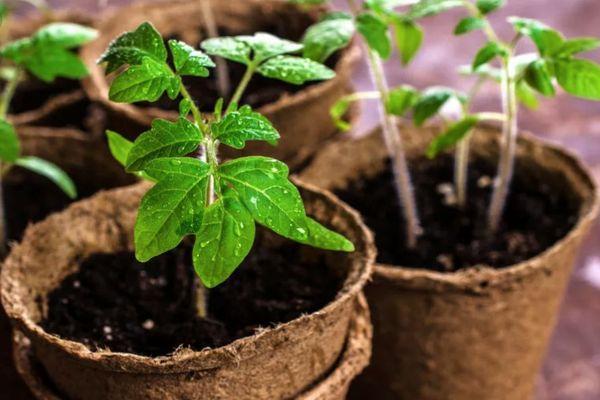
To effectively progress through all stages of growth, this crop requires high levels of light. The more light, the earlier the plant will enter the fruiting phase.
Despite its demand for lighting, tomatoes easily tolerate a lack of moisture.
Dry air is even beneficial for it. At 45-60%, pollen separates easily from the anthers, which positively impacts the pollination process. Thanks to its strong root system, tomatoes can thrive in soil with a relative lack of nutrients and low acidity.
However, these factors should be avoided during the fruiting period. If the maximum field moisture capacity of the soil drops below 70%, additional irrigation is recommended. At the beginning of the growing season, experts recommend feeding the plant with phosphorus-potassium fertilizers, removing weeds, and loosening the soil. Timely vibrating of flowering clusters will help increase tomato productivity.
Once picked, the fruits store well, retaining their flavor for up to two weeks. They also transport well, maintaining their attractive appearance.
Tomsk F1 tomatoes are a must-plant in your garden. If you follow all the care recommendations, you're sure to get a wonderful harvest. And reviews from vegetable growers leave no doubt about it.
Related posts:
 The best eggplant varieties for growing in a polycarbonate greenhouse: planting and care
 Methods for planting and propagating cherries at home
 How to control carrot flies with medications and folk remedies
 80 Best Eggplant Varieties for Different Regions with Descriptions and Characteristics
 Is it possible to soak treated cucumber seeds before planting and how to do it correctly?
 The health benefits and harms of cherries, rules of consumption, and their effects on the body
 The best grape varieties for growing in the Urals, planting and care rules in summer
 The benefits and contraindications of lentils for the human body