
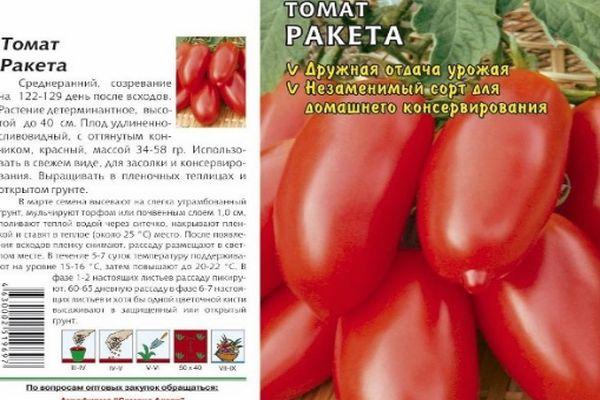
The Rocket tomato will appeal to lovers of small, neat tomatoes. This versatile variety is suitable for planting outdoors, indoors, and even on balconies in the city. To ensure a successful gardening experience, it's recommended to familiarize yourself with the tomato's key characteristics.
Description of the variety
The variety is classified as a late-ripening determinate variety. Bushes reach 0.6 meters in height. Average ripening time ranges from 115 to 125 days. The plant exhibits good fruit yield when grown outdoors and in greenhouses. Yield per 1 m2 reaches 6.5 kg.
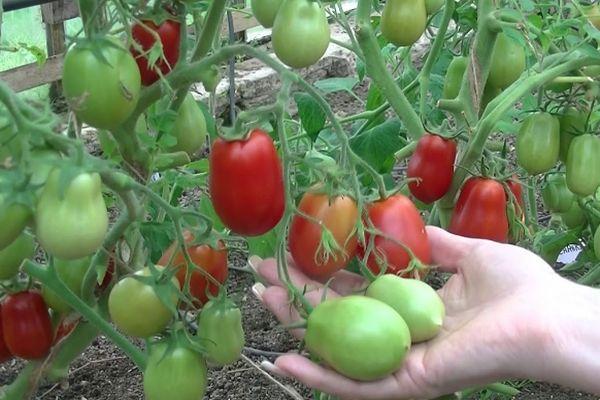
 The first brush of inflorescences appears above the 5th leaf blade, each subsequent one is formed after 1 or 2 leaflets.
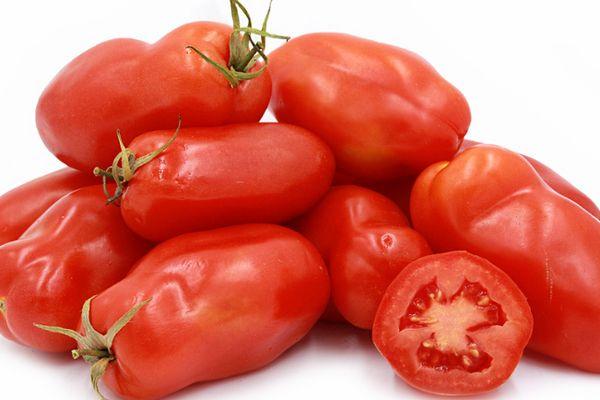
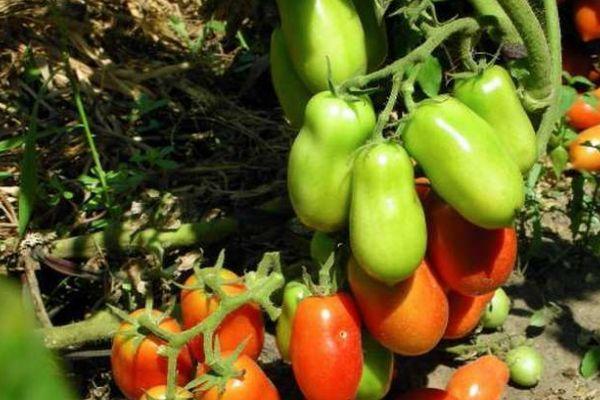
Each node contains 4 to 6 tomatoes. Description of the fruit:
- the shape of neat tomatoes is even, elongated towards the end;
- smooth, glossy skin;
- medium density pulp;
- rich red color of ripe fruits;
- the average weight of a vegetable is 50 grams;
- dense pulp;
- number of seed chambers from 2 to 4.
Gardeners' reviews highlight the tomato's excellent taste. The variety is excellent for canning. The small fruits can be used as raw material or canned whole. Due to its excellent shelf life and resistance to difficult transportation conditions, this variety is often chosen by farmers for industrial production.
Specialty stores stock the Yellow Rocket variety, a product of Siberian selection. This variety has distinct characteristics beyond just its color. It's an indeterminate variety, with a ripening period of 115 days.
The fruits of this variety are cylindrical and bright yellow. The average weight of the tomatoes ranges from 150 to 170 grams, with individual tomatoes reaching 300 grams. They are characterized by their fleshy texture, few seeds, and sweet flavor.

Growing
Tomatoes are grown from seedlings. Seeds are planted in March. Soil can be purchased or homemade. In the latter case, the main ingredients are prepared in the fall, and in the spring, equal parts of humus, soil, and peat are mixed. To disinfect the soil, it is heat-treated by placing it in an oven or microwave for 15 minutes. Afterwards, the soil is left for 14 days to allow beneficial bacteria to develop.
Before planting, soak the seeds in warm water. Don't plant them too deep; sprinkle a small amount of peat on top. Transplant the seedlings when they have two or three leaves. Transplant them to their permanent location when there's no longer a risk of frost.
Rocket tomatoes should be planted every 40 cm, with a 50 cm gap between rows. If frost is expected after planting, cover the bushes with plastic film or agrofibre for the duration.
Care Features
Care involves ensuring adequate moisture, removing weeds, and adding mineral fertilizers to the soil. Tomatoes are watered once every seven days, with 2–5 liters per plant. The water should be warm, otherwise plant growth will slow down and yield may decrease. After completing the work, do not water the tomatoes for seven days. Periodic soil loosening is necessary to improve oxygen supply.
Phosphorus and potassium-based fertilizers are used for fertilizing. Phosphorus helps plants develop healthy roots. Potassium improves the taste of tomatoes, and the plants become more resistant to pests and environmental influences.
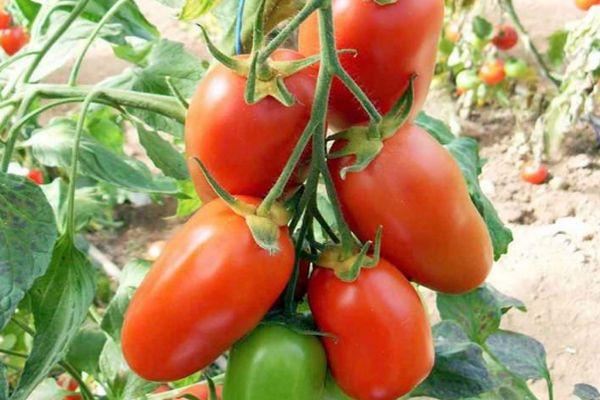
Those who have planted the plant say that despite its short stature, it needs to be tied up. Large clusters also require support when forming large numbers of tomatoes. Rocket grows vigorously and is demanding of nutrient-rich soil, so it's essential to enrich the soil with mineral supplements.

Advantages and disadvantages
The plant can be grown both outdoors and in greenhouses. This characteristic makes it a versatile variety. It produces its best yields when grown outdoors in southern regions. The variety's advantages include the following:
- compactness of bushes, no need to provide large areas for growing;
- resistance to most tomato diseases, including almost all types of rot;
- ability to be stored for a long time;
- versatility of use;
- good appearance and taste;
- excellent yield indicators.
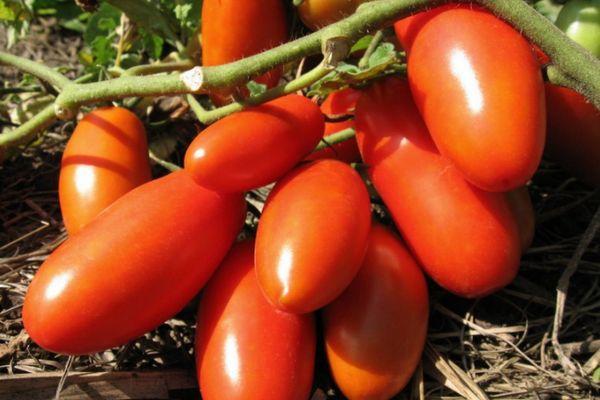
Disadvantages include a tendency for ripe fruits to crack. The variety is fussy about growing conditions, care, and fertilizing, making it difficult for novice gardeners to grow.
Pests and diseases
The variety is resistant to fungal diseases and rot. Disease prevention involves moderate watering and regular fertilizing. Following cultivation guidelines is also important.
If the recommended plant care rules are not followed, the problem of cracking vegetables and slow growth of tomato bushes will be observed.
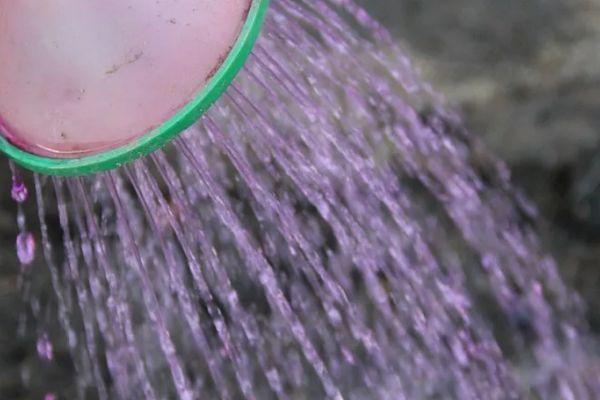
To prevent plant diseases, it's important to prepare the soil for planting in advance. This work is carried out in the fall. Immediately before planting, the soil is watered with a solution of potassium permanganate and wood ash is added.
Alternaria is the most common disease affecting plants, and the disease can appear immediately after planting. Fungicides are used to combat dry spot. Antracol or Tatu are the most commonly used fungicides.
Harvesting and storage
Harvesting occurs as the fruits ripen. Tomatoes store well, so previously harvested vegetables can be eaten within two months. The variety's primary use is for preserves and marinades. The neat, smooth fruits look appetizing in jars and do not burst during cooking.
Gardeners' reviews
Alexandra, 56 years old:
"I've been growing tomatoes in my garden for 10 years. Traditionally, I plant Raketa tomatoes every March, and I'm always pleased with the harvest. By mid-May, I move the seedlings to the greenhouse, and the rest I plant in outdoor beds. I don't tie or pinch the tomatoes; they average 50 cm. We mainly use the small fruits for canning or storing after harvest."
Irina, 48 years old:
"I chose the variety based on photos, yield figures, and online reviews. The tomatoes turned out just like the seed packets—nice, small tomatoes. The bushes are compact, but they sag under the weight of the tomatoes, so I had to tie some of them up. The skins are thick and don't split when processed; most of the tomatoes were used for winter storage."
Related posts:
 The best grape varieties for growing in the Urals, planting and care rules in summer
 Description of 30 varieties and types of Muscat grapes, planting, cultivation and care
 The best eggplant varieties for growing in a polycarbonate greenhouse: planting and care
 Descriptions of the 20 best cherry varieties for the Moscow region, their planting and care
 80 Best Eggplant Varieties for Different Regions with Descriptions and Characteristics
 Beginner's Guide to Growing Grapes in Open Ground in Central Russia
 Description and rules for growing Solaris grapes
 Description and cultivation of the 15 best cherry plum varieties for the Moscow region, planting and care rules