
- The Pros and Cons of Drying Dill
- How to prepare dill for drying
- How to dry dill
- Drying chopped dill
- Drying dill sprigs
- How long to dry dill?
- Basic methods for drying dill at home
- Drying in the open air
- How to dry dill in the oven
- Drying greens in an electric dryer
- Drying dill in the refrigerator
- How to Dry Herbs in the Microwave
- How to dry dill for the winter so it doesn't turn yellow
- How to check the readiness of dried herbs
- How to store dried dill
There are several ways to dry dill. You can pre-chop it or leave it whole. If you follow all the recommendations for your chosen method, the spice will retain its healing properties and pleasant aroma. Dried herbs can be used to season a variety of dishes. Another important consideration is proper storage of the dried spice.
The Pros and Cons of Drying Dill
Dill is considered the most popular herb, used by home cooks in a variety of dishes. It contains many beneficial substances.
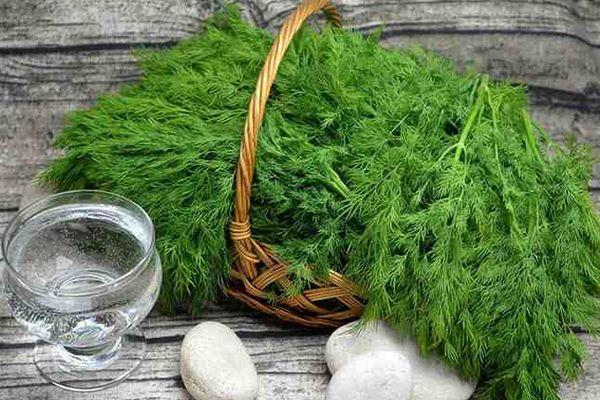
Drying dill preserves more of its beneficial properties than freezing. Dried herbs add a rich aroma and a pleasant flavor to any dish.
The disadvantages include the lengthy drying process and the meticulous preparation required. Each method requires specific conditions.
How to prepare dill for drying
Preparatory work for storing greens involves following certain rules:
- If you plan to use your own garden produce, young bushes that haven't yet formed umbels with inflorescences are best for drying. The greens are harvested at the end of June.
- It's recommended to harvest greens early in the morning, before the dew falls, or in the evening. These times have the lowest humidity and the least amount of sunlight.
- The bushes are pulled out of the ground along with the roots, immediately removing the roots and damaged leaves.
- For drying, it is best to select firm, undamaged branches with a uniform green color and a characteristic dill aroma, as well as without spots or signs of rot.
Rinse a bunch of freshly picked or purchased herbs under cold running water. To disinfect, soak the sprigs in a baking soda solution for several hours. Then spread the herbs on clean paper to dry completely. Large sprigs and flower heads are best dried separately, as they have the most intense aroma.
How to dry dill
It's best to dry the herbs whole first, then chop them. This method will preserve the essential oils for a long time, resulting in a more intense aroma.
If you decide to chop the herbs beforehand, be careful not to chop them too finely. You can also chop dried herbs before adding them to a dish by rubbing them between your fingers.
Drying chopped dill
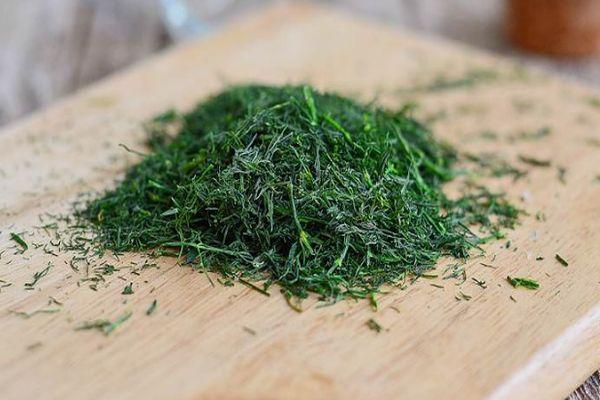
Before beginning the drying process, select a suitable location, protected from direct sunlight. The area should be well-ventilated. Paper is laid out on a flat surface. Finely chop the entire harvested crop and distribute it over the prepared area.
Drying dill sprigs
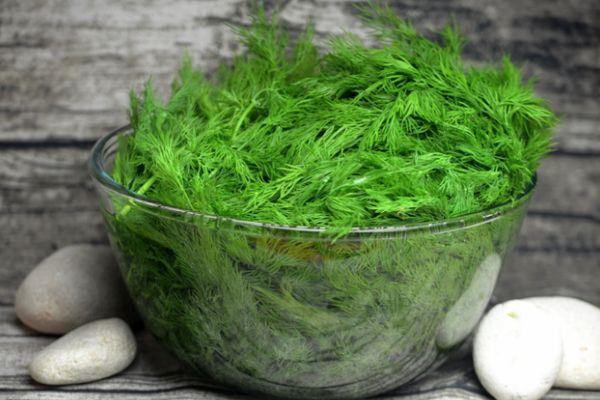
Drying whole branches takes less time and effort. The harvested crop is spread out on a flat surface. If the weather is dry, the herbs can be left to dry in the sun.
Once the picked herbs are thoroughly dry, the branches are removed and placed in prepared storage containers. This drying method preserves the essential components longer.
How long to dry dill?
If dill leaves are not dried thoroughly or are left too long, they can lose all their beneficial properties and quickly rot. In clear, dry weather, drying for two hours is sufficient. If the weather is cloudy, drying time may increase to 3.5 hours.
The duration of the procedure is also affected by the amount of harvest prepared for storage. The thicker the layer spread on the surface, the longer it will take for the grass to dry.
If you plan to dry herbs at home, the drying time depends on the chosen method. For example, drying in a microwave will take a maximum of 5-6 minutes, while drying in an oven will take about three hours.
Take a look Also
Basic methods for drying dill at home
There are various ways to dry prepared and processed herbs. They can be chopped first or left whole. If all the rules are followed, the spice will retain its flavor and medicinal properties for a long time.
Drying in the open air
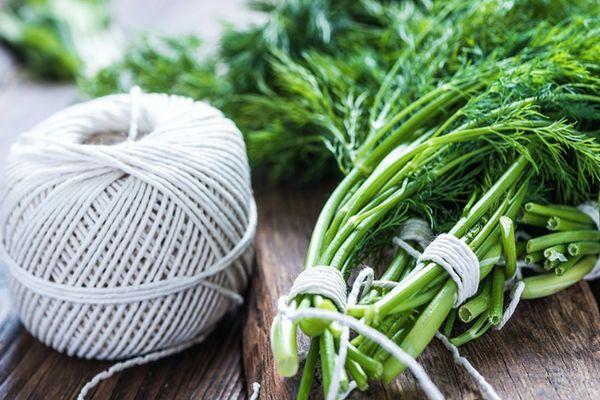
Dill sprigs are tied together to form small bunches. They are then hung upside down, protected from direct sunlight. The spice should be able to breathe freely.
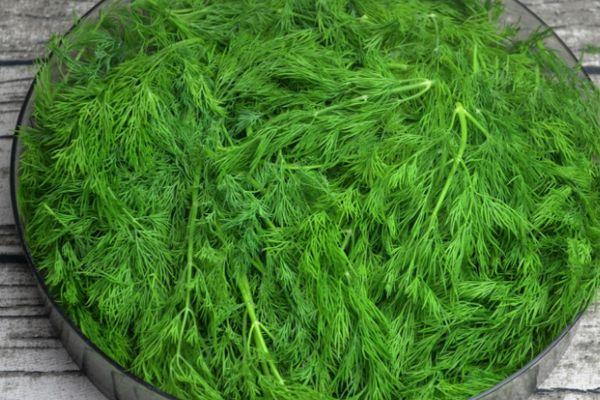
Finely chopped dill can also be air-dried. To do this, spread the herbs in a single layer on a flat surface and cover with cheesecloth to prevent contamination.
How to dry dill in the oven
You can also dry the herb in the oven, but the air temperature should not exceed 42 degrees, otherwise all the essential oils will evaporate:
- Air that is too hot destroys the beneficial properties of the product and changes the appearance of the product.
- Place paper on the bottom of the baking sheet and spread the dill sprigs in a single layer; you can also spread out chopped herbs.
- The oven door should not be closed tightly; air must be allowed to flow.
The drying process takes about 3.5 hours. During this time, remove the baking sheet every 25 minutes and rearrange the herbs.
Drying greens in an electric dryer
An electric dehydrator can be used to quickly and easily prepare herbs for long-term storage. Fill the trays with herbs and set the temperature to no higher than 38 degrees Celsius (100.4 degrees Fahrenheit). The process takes an average of 40 minutes.
Drying dill in the refrigerator
The collected herbs are laid out on a flat surface, covered with a napkin, and placed in the refrigerator for 16 days in the warmest location. During this time, all the moisture from the herbs will evaporate. The finished dried spice is transferred to containers and stored in a dark place.

How to Dry Herbs in the Microwave
Place a napkin on a flat-bottomed plate, spread the herbs over them, and cover with another layer of napkin. Microwave the herbs. Check for doneness after 2.5 minutes. If necessary, return the herbs to the microwave for another couple of minutes.
How to dry dill for the winter so it doesn't turn yellow
If the drying process for herbs is improper, the greens' appearance changes, and they become covered in yellow spots. A common cause of this change in appearance is excessively high temperatures during drying.
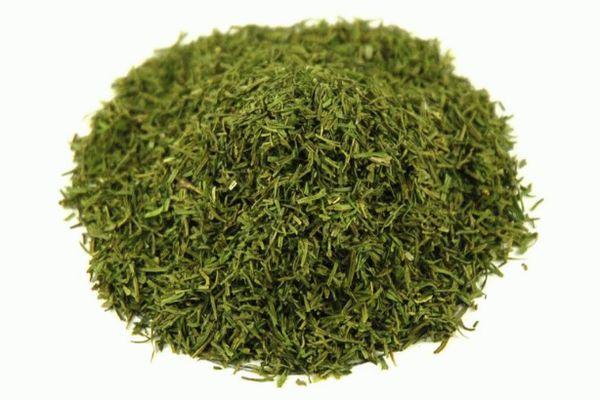 To prevent dill leaves from drying out, no matter what method you choose, they should be covered with a light cloth or paper.
How to check the readiness of dried herbs
You can easily check whether dill is dry enough by rubbing a small amount between your fingers. If it turns into a dry powder, it's ready for further storage. If the sprigs break but don't crumble, they need more time to dry.
How to store dried dill
For long-term storage of dried dill, use containers with tight-fitting lids and dark walls that block light and moisture, as well as linen or paper bags. Store the spice in a warm and dry place.
Related posts:
 Description of the best dill varieties for open ground and for greens, what the plant looks like
 How to keep dill fresh for the winter at home, the best ways
 How to freeze dill in the refrigerator for the winter: the best recipes
 The best recipes for preparing and storing dill for the winter at home
 Recipes for pickling fresh dill for the winter at home in jars, proportions, and storage
 How to keep dill fresh in the refrigerator and freezing methods at home
 How to properly plant dill in open ground and a greenhouse: secrets of agricultural technology
 Characteristics and description of the Alligator dill variety