
- Necessary conditions for growing dill
- Planting times in different regions
- Seed preparation
- The optimal location for planting in open ground
- Preferences in choosing a neighborhood
- How to choose a planting site and prepare a bed
- What kind of soil does dill like?
- Planting a crop
- How to sow dill in warm weather
- Winter and pre-winter methods
- What to grow after dill
Dill is a versatile herb that complements most first and second courses. It's also used in homemade preserves, salted, dried, and frozen. It's easy to grow in your own garden or apartment, on your balcony or windowsill.
Let's figure out how to plant dill correctly so that it will delight you with a good harvest throughout the warm season.
Necessary conditions for growing dill
The plant is quite undemanding to climate and does not require special care, however, if you want to get lush and fragrant greenery, you need to pay attention to a number of factors:
- Quality of source material – buy seeds from trusted sellers; if you harvest them yourself, follow all the rules of the process.
- Proper preparation of seeds for planting.
- The composition of the soil, illumination and humidity of the place where it will be grow dill.
- What plants were in the garden bed last year, what is growing nearby?
- Planting density of rows and individual seedlings.
Planting times in different regions
Dill begins to sprout at temperatures above 3 degrees, so when planting, focus primarily on the weather in your region, and not on the calendar.
The optimal time for the middle zone is early to mid-April.
The plant is frost-resistant and can even be planted in the fall—the so-called pre-winter method—when the previous harvest has been gathered but the soil has not yet frozen. This method eliminates the need for pre-preparation of the seeds, and germination will be higher than with spring planting.
Dill is planted even in winter.
At the same time, the seedlings should be protected from temperatures below freezing. If frost is possible, cover the beds with plastic film overnight.
The higher the air temperature, the faster the seeds will germinate. If you want a quick harvest, it's best to wait for stable weather with temperatures between 15 and 20 degrees Celsius. You can plant additional seeds throughout the summer.
Seed preparation
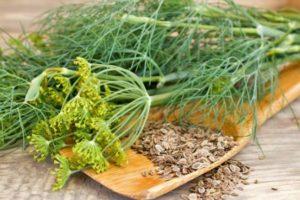
Dill seeds contain a large amount of essential oils, which are beneficial for health but hinder their germination. In nature, the seeds "overwinter" in the soil, and spring waters wash away the unwanted essential oils. If you plan to sow in the spring, you should speed up germination by soaking them.
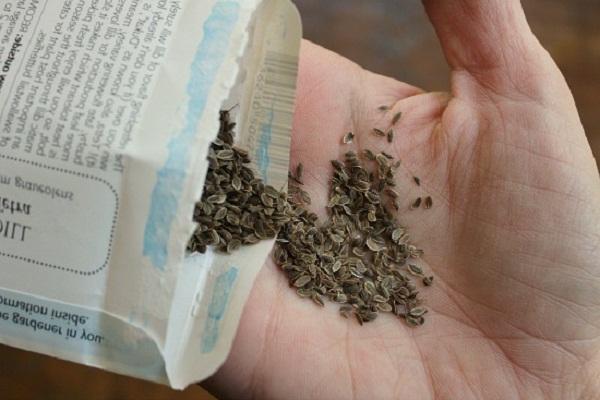
The easiest way to soak seeds at home is to soak them in water at about 50 degrees Celsius for 2-3 days, then dry them out of direct sunlight. Completely dry seeds are free of heavy oils and ready to be planted in the ground.
It's safer to change the water 4-5 times a day while soaking, then spread them out on a dry cloth and cover with a layer of sawdust. After another 3 days, some of the seeds will begin to sprout, and they can be planted outdoors.
If you have an aquarium air pump, you can use it while soaking. The device will enrich the water with oxygen, and you won't have to change it.
The optimal location for planting in open ground
Before sowing dill, choose a spot in your garden. The better the location, the more lush, juicy, and nutritious the greens will be. Consider the following:
- the plant loves the sun, choose beds in an open space, without shade from trees and buildings;
- The quality and composition of the soil are important – it must be loose, moist, and fertile. Greens will not grow well in acidic soil containing lime and dolomite flour;
- It also matters what grew in the garden before dill. Poor predecessors include carrots, celery, fennel, and caraway. Beets, carrots, and cabbage, as well as all types of legumes, will promote the growth of greenery.
Preferences in choosing a neighborhood
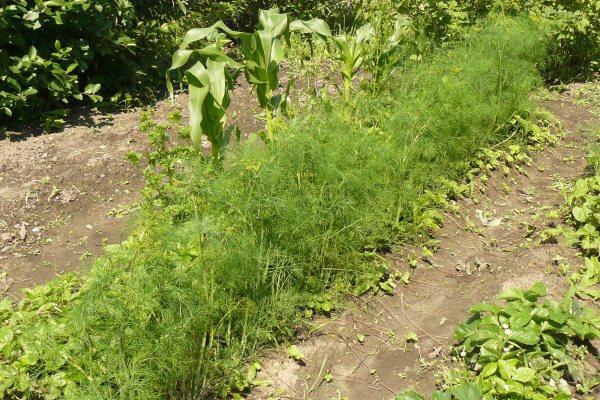
Dill pairs well with other herbs, such as onions and garlic. They protect the garden bed from pests and impart a richer flavor. Parsley, on the other hand, will reduce the yield of green shoots.

All types of cabbage, potatoes, and cucumbers also have a positive effect on dill growth. This proximity will help prevent diseases, such as aphids, which often attack dill. Its tall umbels and lush foliage will protect cucumbers from the scorching sun.
How to choose a planting site and prepare a bed
You've already chosen a bed of fertile black soil in a sunny spot with good "neighbors" for dill; all that's left is to prepare it for planting pre-steamed seeds.
Ideally, it's best to start preparing the site in the fall – carefully dig the soil to a depth of 20-30 centimeters, enrich it with humus, chicken manure, and mineral fertilizers.
If the plot hasn't been prepared since last year, don't worry. The greenery may thrive on fertilizer applied in previous years, as long as the soil isn't acidic or clayey and receives sufficient water and light.
In spring, 2-3 days before sowing, you need to loosen the soil, 1-2 days before – water.
What kind of soil does dill like?
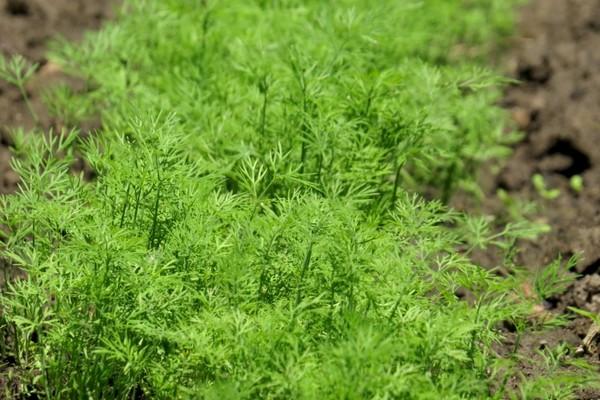
Keep the soil moist throughout the dill's growing season, loosening it periodically. The plant doesn't like overly acidic, compacted soil—even if the seeds germinate, the greens will be yellow, wilted, and sparse.
Black, oxygen-rich soil, fertilized in the fall, and a warm, sunny location are a guarantee of a good harvest of spicy greens.
Planting a crop
How to sow dill in warm weather
On planting day, make deep rows of seeds in the soil, spaced about 20 centimeters apart. The seeds are small, so simply sprinkle them into the furrows without a specific pattern. Later, if the seedlings become too dense, you can thin them out and use them immediately.
Place the seedlings into the furrows to a depth of 2 centimeters. The planted seeds should be lightly covered with loose soil. Avoid watering them immediately, and avoid adding ash, as this can kill the seedlings. The soil should be moist initially before planting!
The average germination time for seeds is 14 days. It may take longer or shorter depending on soil quality, proper preparation of the planting material, and air temperature.
To ensure a regular supply of fresh, young greens, you can sow new seeds every 2-3 weeks. The optimal distance between plants is at least 5 centimeters.
Winter and pre-winter methods
If you decide to plant dill before winter, there's no need to soak the seeds. The bed is prepared in a similar manner: dig, fertilize, and loosen the soil. Plant the seeds 3-4 centimeters deeper. Once the snow melts, you can cover the planting area with plastic film to speed up germination.
Dill can also be sown in winter, once the snow has settled. Clear the bed, sprinkle the seeds directly on the frozen ground, and cover with a mixture of humus and black soil. In the spring, the crop will emerge early, but in a haphazard manner, requiring essential thinning.
What to grow after dill
After some crops, such as potatoes, which draw a lot of minerals from even the most fertile soil, it's recommended to plant greens. The following year, after dill, the soil will be "rested," as this plant doesn't require many nutrients. Eggplants, potatoes, zucchini, legumes, and peppers can be planted in this spot.
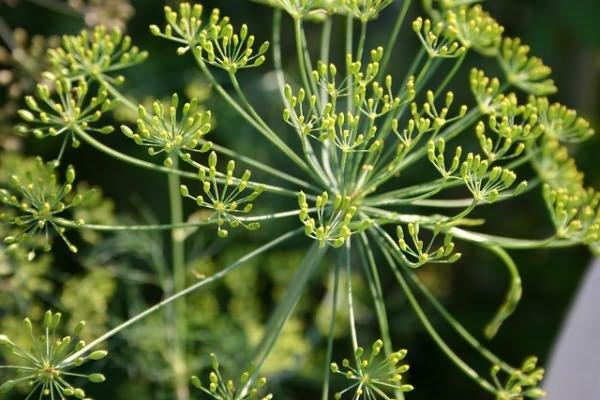
You shouldn’t plant crops from the umbelliferous family – fennel, coriander, caraway, celery – as well as cucumbers, which are susceptible to the same diseases and pests, like dill.
Related posts:
 Recipes for pickling fresh dill for the winter at home in jars, proportions, and storage
 Description of the best dill varieties for open ground and for greens, what the plant looks like
 How to choose the best dill varieties for growing greens without umbrellas in open ground and greenhouses
 Basic rules for growing and caring for dill: how many days it takes for it to sprout, how it grows, and when it ripens into greens
 Characteristics and description of the Alligator dill variety
 Growing bush dill for greens, describing its varieties, and harvesting
 How to properly plant dill for the winter in the Moscow region, varieties for open ground and greenhouses
 How to dry dill at home for the winter