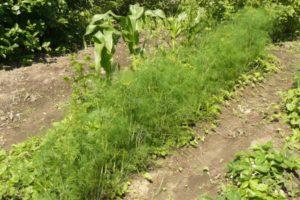
High yields are the main characteristic of bush dill. A couple dozen bushes of this plant will last the average family the entire season. If you follow the growing instructions and consider the care requirements of a particular variety (there are several varieties that differ from the standard variety), the harvest will pleasantly surprise any gardener.
Features of culture
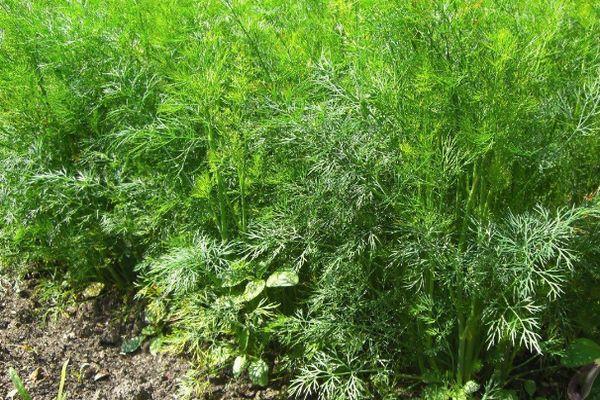
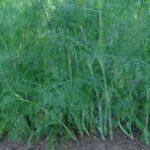
The main difference between bush dill and regular dill is its height and shape. The plant grows up to one and a half meters tall, while greenhouse varieties can reach up to three meters. A key advantage of this plant is its long flowering period and the fact that it remains leafy throughout almost the entire season.
This plant is called a bush plant because it can "grow" additional leaves from the axils of its main leaves. This gives it the appearance of a bush.
The essential oils found in dill accumulate over time, so the older the plant, the more aromatic it becomes. Regular dill is harvested young and doesn't boast the aroma of a mature plant (especially greenhouse-grown plants). Bush dill, however, is cultivated over a long period of time, and the resulting harvest boasts a more intense aroma.
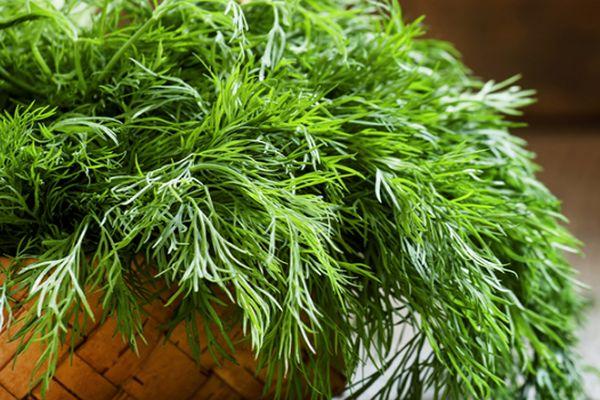
Varieties of bush dill
There are several varieties of bush dill. They are divided into three groups: early, mid-season, and late.
Early ripening varieties include:
- A new anchor. This variety is characterized by high yields and a medium-intensive aroma. The plant can be sown all summer long.
- Redut has a strong scent. The yield is over a kilogram per square meter.
- Aurora is a dense, juicy plant with a medium aroma. It is sown in the fall, and 25 days after the shoots emerge, the harvest is ready for harvesting and consumption.
- Grenadier has a rich color and a pleasant taste. The crop germinates within a month of sowing, but harvesting can begin only after 2-3 months.
- Dalniy is an ideal salad variety. Its main quality is its resistance to various adverse influences (insects, weather conditions).
- The umbrella plant requires a moist environment, so it should be planted in moist soil and watered regularly.
- Gribovsky is one of the most popular varieties in our country. It is characterized by tall stems (just under a meter) and four leaves per shoot. Flower heads appear 70 days after germination. This variety is used to prepare various marinades (the fruit is the main ingredient).
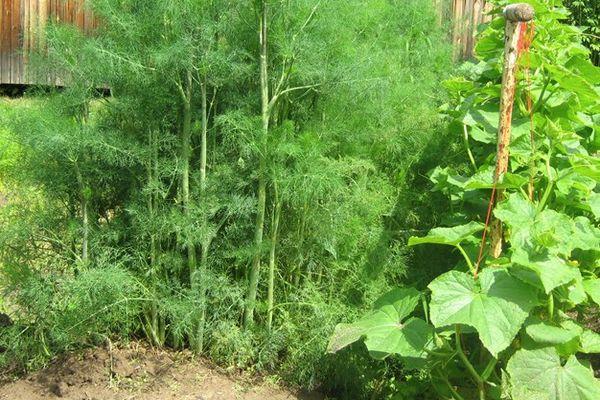
Dill with a medium ripening period is represented by the following varieties:
- Richelieu is a beautiful plant with a strong fragrance. Its high yield is due to the presence of as many as 20 umbels per flower head. If sown in April, gardeners will have seeds for replanting in late summer.
- Kibray is popular among gardeners because the first stems appear after just 30 days, and the first leaves are visible after another month and a half. Dill is growing lushly, and will delight the owner with a generous harvest (6 kilograms per 1 square meter).
- Umbrella is a tall plant, reaching up to two meters in height at flowering time. It takes 45 days to harvest (over 2 kilograms per square meter).
- Amazon is a juicy, fragrant, emerald-colored variety. It is renowned for its ability to retain its fragrance for a long time when cut.
- Max is a plant with medium-sized leaves that boast a rich color. It's easy to care for and tends to regrow after pruning.
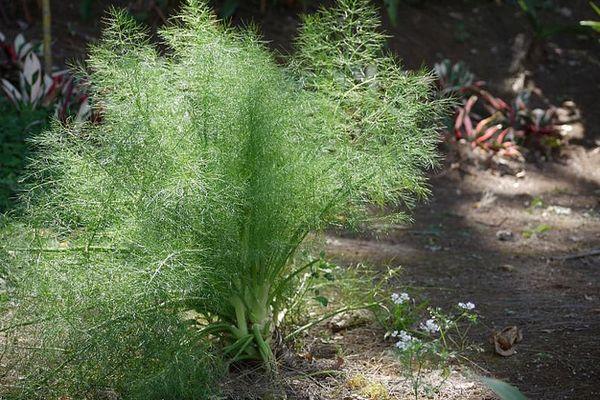
Late ripening varieties:
- Alligator is a tall plant (in some areas it reaches a height of one and a half meters) with generously filled rosettes. The umbels are used for making spices.
- Uzory is a hybrid variety with leaves that grow along the entire stem. The plant has a bright, rich aroma and is high in vitamin C. This variety is also disease-resistant.
- Frostweed is characterized by the presence of long, grayish-green leaves covered in wax. It has a spicy aroma that the greens retain even when frozen. It should be sown in mid-spring.
- Ozornik is profitable to grow for sale. New sowings are done weekly. Juicy leaves and a lingering aroma are the main characteristics of this variety.
- Dill has a rich aroma and is characterized by lush, vibrant foliage. It is easy to grow and requires little care. Bushes of this plant are sometimes used in ornamental gardens.
Growing any variety of crop should be done in accordance with certain rules.
Growing in open ground
To achieve a high yield, choose a sunny location for growing bush dill. Plant sparsely, spacing rows at least 25 centimeters apart.
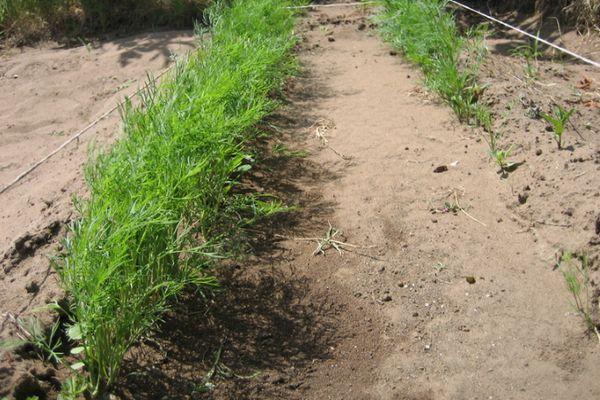
Once the sprouts reach 6 centimeters in height, they should be thinned (to 5-7 centimeters in a row), and after 15 days, thinned again to 15 centimeters in a row (checkerboard pattern). Dill remaining after thinning is used for food and as a seasoning.
Preparing the seeds
Bush dill's flower stalks form towards the end of the season, and they don't mature in almost all areas of the country. Growing several dill plants as seedlings eliminates the need to purchase new planting material each year.
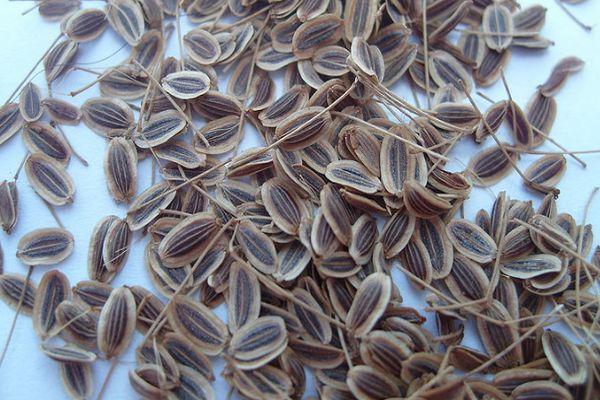
To improve seed germination, soak the seeds in warm water for a few days. Remember to change any water that darkens over time (it accumulates essential oils, which affect germination).
Immediately before sowing, dry the seeds by laying them out on a cloth. They can be sown as long as they are free-flowing and don't stick together.
Preparing the ground
The best soil for bush dill is well-drained soil. Before sowing, fertilize the soil with mineral fertilizers:
- urea;
- humus;
- superphosphate.
Sow in moist soil.
We sow seeds
Plant in furrows at least 3 centimeters apart. Cover the planting area with plastic wrap until the first shoots emerge.
Plant care
An important rule when caring for a plant is the timely procedure of thinning it out.
Additionally, the plant requires regular watering (once a week). Watering should be done at a rate of 5 liters per square meter.
Weeds should be removed regularly until the dill has developed a few leaves. After this point, the plant itself is able to prevent weeds from choking its growth.
Growing from seedlings
Growing bush dill from seedlings follows the following algorithm:
- Select several containers (wooden or plastic) with holes in the bottom.
- Furrows 1 centimeter deep are formed.
- The seeds are placed at a depth of 50 millimetres and covered with soil.
- The containers are covered with a light-transmitting material and placed in a room with a temperature of at least 18 degrees inside.
- After the leaves have formed, the dill is replanted.
Dill grows well next to zucchini, cabbage or cucumbers.
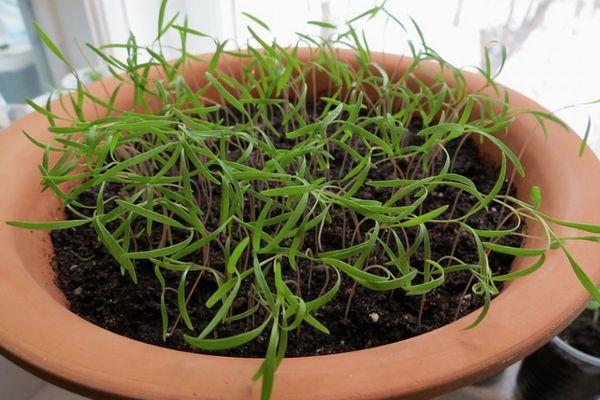
Growing bush dill at home
Bush dill grows well indoors on a windowsill. Sowing is similar to growing seeds from seedlings. The main care rule is periodic watering and mulching.
Bushy dill loves light, so it would be a good idea to purchase a phytolamp.
In a month you can enjoy the first fruits of your labor.
Harvesting
The harvest quantity and timing depend on the variety of bush dill. The list above includes varieties that produce throughout the summer.
Harvesting begins as early as mid-May. The more carefully you follow the plant care instructions, the greater your harvest will be.
Related posts:
 Description of the best dill varieties for open ground and for greens, what the plant looks like
 How to choose the best dill varieties for growing greens without umbrellas in open ground and greenhouses
 Recipes for pickling fresh dill for the winter at home in jars, proportions, and storage
 Basic rules for growing and caring for dill: how many days it takes for it to sprout, how it grows, and when it ripens into greens
 Characteristics and description of the Alligator dill variety
 What are the diseases and pests of dill and how to deal with them, simple methods
 Medicinal properties and contraindications of dried and fresh dill, its use in folk medicine
 How to freeze dill in the refrigerator for the winter: the best recipes