
- Chemical composition of greens and nutritional value
- Beneficial and harmful qualities of the plant
- For men
- For women
- For children
- Medicinal properties and their use
- In folk medicine
- In cooking
- When losing weight
- Chemical composition of seeds
- Medicinal properties
- Beneficial and harmful properties
- When can you use seeds for treatment?
- Brewing seeds for treatment
- Contraindications
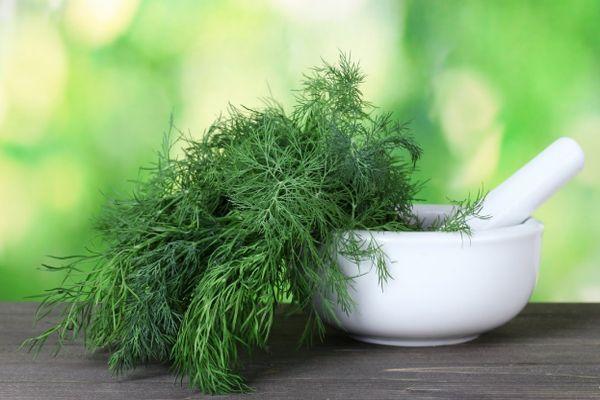
Due to its beneficial properties, dill is grown in virtually every country in North Africa and Europe. People have used this herb for cooking and medicinal purposes for several millennia. However, it's important to understand that consuming dill without considering its contraindications can cause harm. People with certain health conditions should completely eliminate this herb from their diet.
Chemical composition of greens and nutritional value
The essential oil found in dill contains phytoncides, which inhibit fungal growth and bacterial proliferation, making it beneficial for those suffering from metabolic disorders. This component also helps cleanse intestinal flora. Dill can improve skin elasticity, promote healthy mucous membranes, and improve visual acuity.
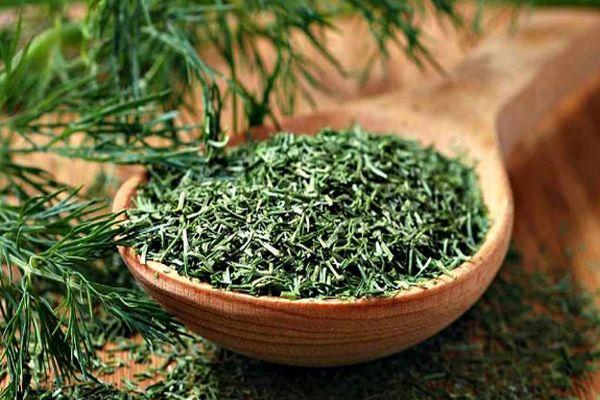
The plant improves nervous system function and stimulates the body's immune system. Dill water is also effective for colic in children and sharp stomach pain in adults. In terms of its chemical composition, the plant contains high levels of carbohydrates, vitamins A, B5, B9, and C, as well as proteins, fiber, and fats.
Among the minerals it contains the following:
- phosphorus;
- potassium;
- magnesium;
- sodium;
- calcium;
- iron.
Beneficial and harmful qualities of the plant
Besides its benefits, dill can have harmful effects on humans. Individual intolerance to this fragrant herb can sometimes trigger allergic reactions. To avoid complications, people with low blood pressure should avoid dill.
If there are no health problems, consuming dill in moderation will lead to the following positive changes in the body:
- Strengthening blood vessels due to vitamin A.
- Increased lactation during breastfeeding.
- Increased hemoglobin in the blood with anemia.
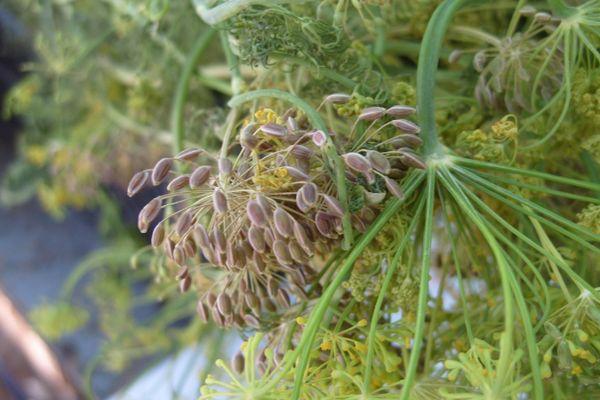
- Dill seeds prevent increased gas formation.
- Producing sputum when coughing.
- Anti-inflammatory effect.
For men
Dill has particular benefits for men. It is used to prevent prostatitis and other urinary tract diseases. Nowadays, you can find many recipes based on this herb to restore erectile function.
Dill is also used in the production of medicines that help get rid of infectious diseases and inflammations of the genitourinary system.
For women
The plant contains B vitamins, so it can help support a normal menstrual cycle and relieve menstrual cramps. The seeds can also boost lactation, making them beneficial for breastfeeding women.
For children
The beta-carotene found in the plant boosts a child's immunity and ability to withstand stress. Vitamin A ensures rapid and healthy development, as well as the formation of visual functions. A deficiency in these components can lead to the following problems:
- dry skin;
- poor eyesight;
- increased tooth sensitivity;
- slow growth;
- loss of appetite;
- anemia.
Medicinal properties and their use
Due to its health benefits, dill is widely used in folk remedies or simply added to food to provide its healing properties. However, it's always important to remember to consume the herb in moderation, as excessive amounts can lead to an overdose of the plant's components.
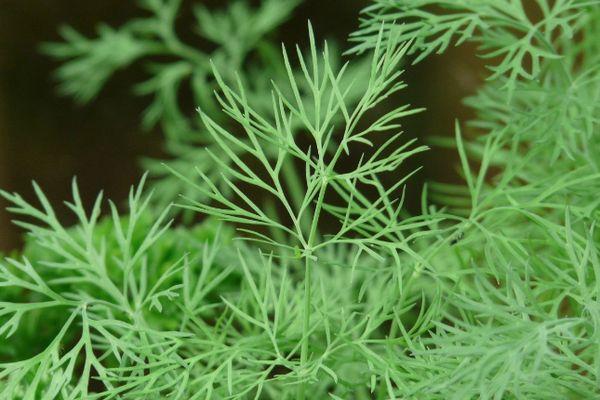
In folk medicine
In folk medicine, this plant can be used to improve health in the following ways:
- If a person suffers from insomnia, a good mild sleeping pill can be prepared using dried leaves.
- A compress made from the seeds will achieve a rejuvenating effect. After a while, fine wrinkles on the face will disappear, and the skin around the eyes will regain its smoothness.
- To relieve eye fatigue and inflammation, you can make gauze bags, add dill seeds, and steep them in boiling water for a couple of minutes. After they cool slightly, place the warm seeds in the gauze over your closed eyelids. After 15 minutes, remove the bags, relieving eye strain and fatigue.
In cooking
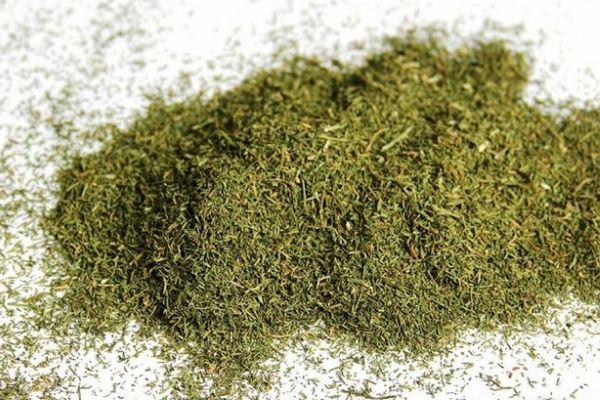
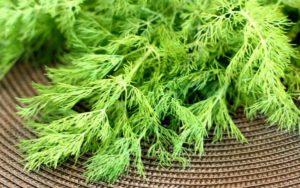
In cooking, dill is used both dried and fresh. However, the latter is considered more beneficial. The herb can be added to a side dish, soup, salad, or cold appetizer. Sometimes it is served separately with grilled dishes or cheeses.
Take a look Also
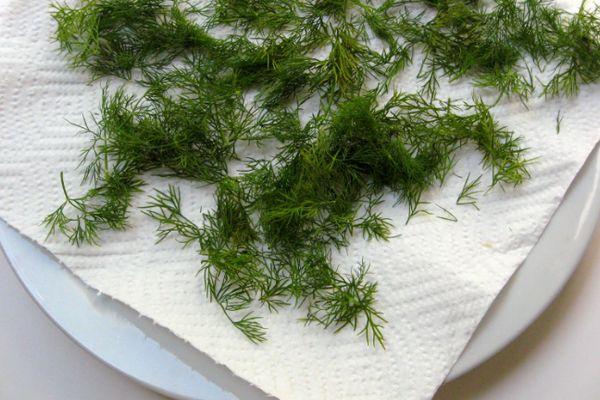
Greens can also be added to marinades for winter preservation. This refers to pickled and salted vegetables, which will be imbued with a piquant flavor and protected from mold and rot.
When losing weight
If a person is planning to lose weight, he can prepare the following remedies from dill:
- To make tea, add 3 tablespoons of chopped dill to 0.5 liters of boiling water. Let the mixture simmer for 5 minutes. Once the tea has steeped and cooled, strain it and drink half a glass before meals.
- Pour boiling water over 1 tablespoon of the seeds and let steep, covered, for one hour. Strain the resulting mixture and drink half a glass before each meal. This remedy is not recommended for people with low blood pressure.
Chemical composition of seeds
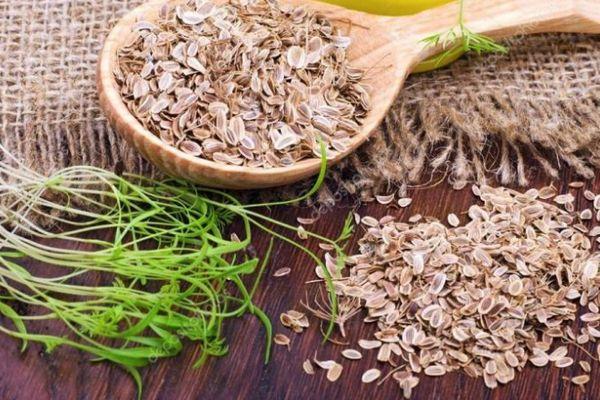
Dill seeds contain the following elements:
- Oleic acid.
- Vitamin A.
- Selenium.
- Zinc.
- Magnesium.
- Phosphorus.
- Calcium.
- Potassium.
- Iron.
- Linoleic acid.
- Essential oil.
- Manganese.
Medicinal properties
Dill seed is used in folk medicine for its tonic, vasodilator, analgesic, and vascular strengthening properties. However, self-medication is strictly prohibited. Before preparing any remedy, be sure to consult a doctor and consider any contraindications.
Beneficial and harmful properties
The plant's fruits are useful for treating central nervous system disorders, as well as relieving symptoms of fatigue and stress. Preparations made from dill seeds relieve mental disorders and sleep deprivation. In folk remedies, they are used to prevent cardiovascular diseases.
The seeds are also used by people suffering from digestive tract diseases. The usefulness of this method lies in the fact that the fruits have a secretory effect, which is necessary in the fight against imbalances in the acidity of gastric juice.
Despite their benefits, the seeds can be harmful if used improperly. People with low blood pressure sometimes experience a loss of energy due to low blood pressure. To prevent this, be sure to consult a doctor.
When can you use seeds for treatment?
Dill seeds are used to treat chronic stress, anxiety, and insomnia. Bronchitis and other colds are also helpful. The plant's fruits often help relieve headaches and other pain.
Take a look Also
Other diseases that the plant seeds actively fight include the following:
- angina and arrhythmia;
- high blood pressure;
- infectious diseases, including cystitis;
- helminthiasis;
- hypoacid gastritis;
- pancreatitis.
Brewing seeds for treatment
To brew dill seeds and make a remedy for insomnia, take 50 grams of the seeds and pour 0.5 liters of red wine over them. Bring the mixture to a boil and simmer for no more than 20 minutes. Then let it steep for 1 hour. Strain the finished infusion and take 50 grams at night.
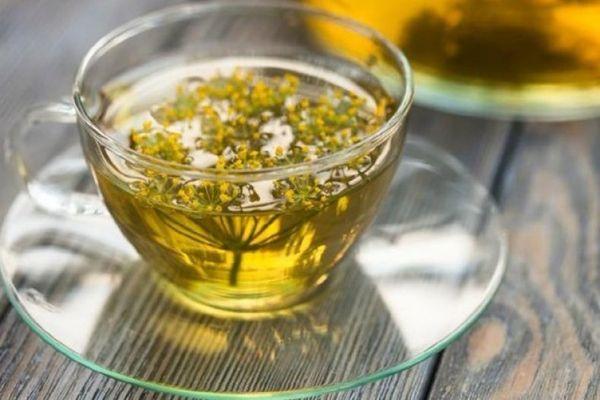
To increase lactation, take one tablespoon of dill and pour one cup of boiling water over it. Then, let the mixture steep for at least two hours. Take 100 grams twice daily or one tablespoon six times every 24 hours. It is recommended to take the infusion in small sips. Before swallowing, hold it in your mouth for a moment to enhance the effect.
Contraindications
Dill doesn't have many contraindications, but to avoid even minor allergic reactions or low blood pressure, it's important to consider a few precautions. Avoiding the plant completely or partially is recommended in the following cases:
- The period of pregnancy and menstruation in women.
- For people with individual intolerance to the elements included in the greens.
- For patients who have problems with low blood pressure.
Related posts:
 How to choose the best dill varieties for growing greens without umbrellas in open ground and greenhouses
 Basic rules for growing and caring for dill: how many days it takes for it to sprout, how it grows, and when it ripens into greens
 Methods for planting and propagating cherries at home
 Growing bush dill for greens, describing its varieties, and harvesting
 Description and rules for growing dill of the Obilnolistny variety
 Conditions for growing mandarin at home and rules for caring for the tree
 Recipes for pickling fresh dill for the winter at home in jars, proportions, and storage
 Why dill doesn't grow in the garden: reasons and solutions