
- Characteristics of the variety
- Productivity
- Resistance to diseases and pests
- Pros and cons of culture
- Planting dill
- Time
- Selection and preparation of seeds
- Soil and plot
- Sowing patterns and depths
- Favorable and unfavorable neighbors
- Care
- Watering
- Top dressing
- Soil care
- Pests and diseases: treatment and prevention
- Gardeners' reviews of the Abundant-leaved dill
The dill variety "Obilnolistny" deserves its name. This fragrant plant is undemanding in terms of growing conditions, yet delivers a prolific harvest. Even a small amount of seed can provide a good supply of greens for the winter. However, dill also requires care, is susceptible to disease, and thrives in good company with other crops.
Characteristics of the variety
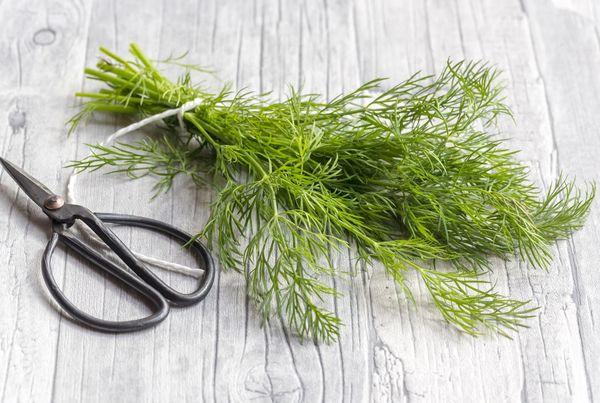
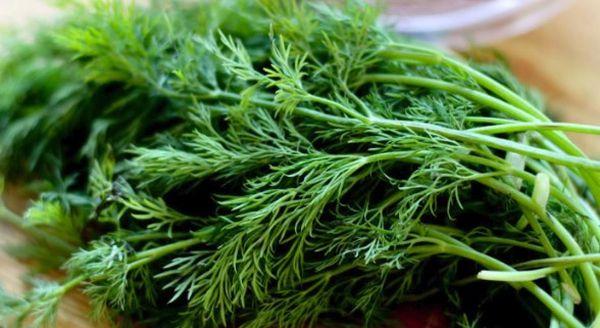
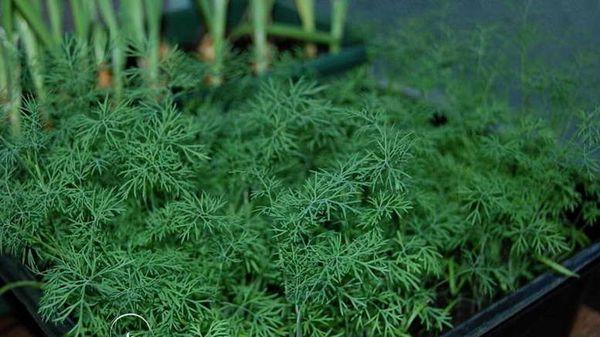
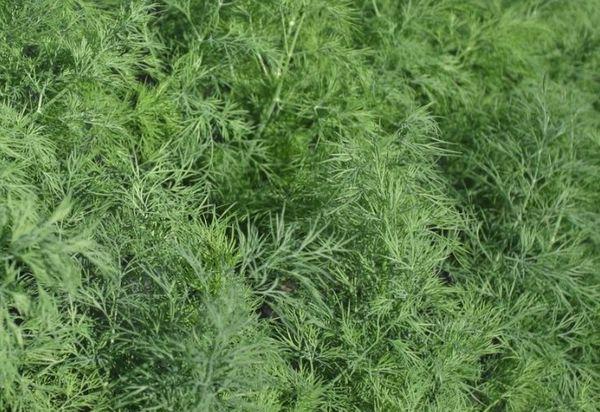
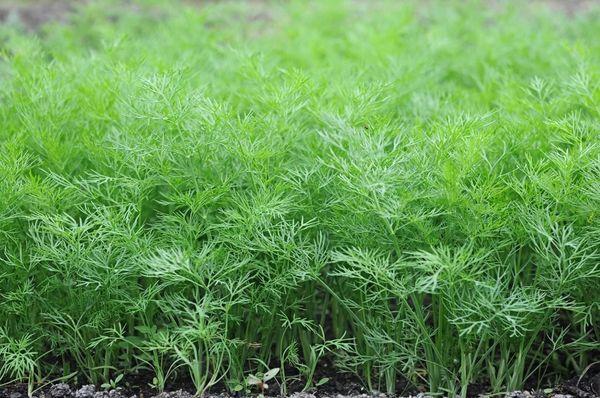
This abundantly foliated dill variety is considered a mid-early variety. It boasts large, richly green leaves with a waxy coating, as well as a medium-sized, upright, convex umbel. The shoots grow up to 130 cm in height.
The culture contains many useful elements and can be used for long-term storage.
This variety is grown with repeated sowings in spring and summer, with approximately two weeks between plantings.
Productivity
The crop matures within 40 days. Dill sprouts two weeks after planting and begins to bloom on the 70th day.
One bush can yield up to 20 grams of dill, and one square meter can yield up to 3.5 kg. The harvested yield can be affected by untimely or insufficient watering, as well as heat.
Resistance to diseases and pests
This leafy green is considered a moisture-loving crop, so it doesn't tolerate dry weather well. It also doesn't tolerate light frosts. This is indicated by young shoots turning black and wilting.
At the same time, to dill diseases Abundant foliage has high resistance.
Pros and cons of culture
This variety of crop has a number of advantages:
- Productivity is at a high level.
- Excellent foliage.
- The plant is not demanding in terms of soil, with the exception of acidic soil.
- The plant is unpretentious in care.
- No pre-treatment is required before use.
- The product can be stored for a long time using several methods.
One of the plant's shortcomings is its inability to tolerate low temperatures. Even a slight frost can damage the harvest. Therefore, it is recommended to cover the bushes with plastic film at night.
Planting dill
Propagation of the crop by seeds occurs in spring and autumn.
Time
Seeds are often sown in early spring. The crop thrives at temperatures between 2 and 3 degrees Celsius, so planting occurs immediately after the soil thaws. Sow the seeds in moist soil to avoid watering the plant afterwards.
To get greens in early spring, they are sown before winter. Planting occurs in late autumn, when the soil temperature is 3-4 degrees Celsius. Otherwise, the seeds will not germinate before winter.
Selection and preparation of seeds
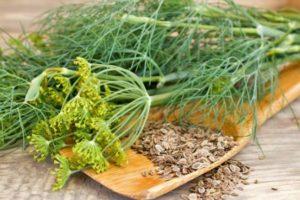
Seeds are collected from healthy, fully ripened plants. Up to 8 grams can be harvested from a single plant. High-quality seeds are moist and cool to the touch.
Before planting, soak the seeds in an ash solution for two days to speed up germination. This soaking time of two days weakens the protective layer of essential oil that coats the seed coat.
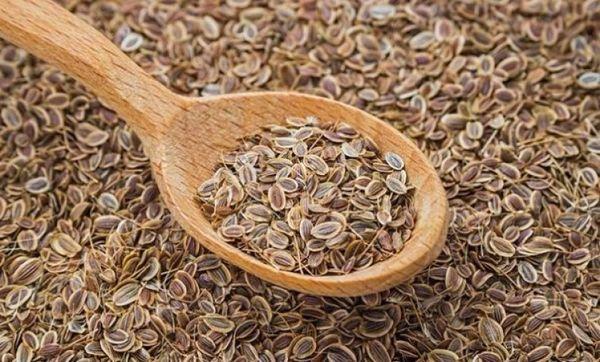
Alternatively, the seeds are placed in a gauze bag, dipped in warm water, the temperature of which should not exceed 50 degrees, and then dried.
Soil and plot
This prolific foliage species prefers light loamy, sandy, or neutral soil that absorbs moisture well. It doesn't thrive in an acidic environment, so it should not be planted in limed soil.
The area for planting greens should be well-lit. Shaded beds cause plants to stretch, turn pale, and lose their beneficial properties.
In early spring, begin cultivating the soil, digging it to a depth of 20 cm and leveling it with a rake. Ideally, prepare the bed in the fall.
Sowing patterns and depths
The green harvest will be good if planting is done correctly.
How to sow crops in early spring:
- A sunny area is selected.
- The bed is prepared by fertilizing it with humus and manure, and then watered well.
- After 2 days, to allow the soil to settle, you can sow.
- It is necessary to make wide furrows of 5-6 cm and water them generously.
- Sow seeds in a snake-like pattern into moistened soil. The seeding rate is 1 gram per square meter.
- Sprinkle 1-2 cm of soil on top.
- After planting, the rows are not watered to prevent the seeds from being washed deep into the soil.

Autumn sowing of greens is carried out in the same way as in spring, but the seeds need to be planted 3-4 cm deep.
Favorable and unfavorable neighbors
The crop gets along well with various vegetables and is capable of repelling garden pests with its own aroma.
In addition to cucumbers, cabbage and tomatoes, the plant grows well with onions and lettuce, garlic and potatoes.
It's not recommended to plant greens near carrots, fennel, caraway, or parsley. Celery is also considered an unfavorable neighbor. Don't sow greens where celery grew last season.
Care
The culture does not require special care, but regular procedures are necessary to help the plant grow and develop.
Watering
Water treatments are a must in care.
Dill is watered daily or every other day, depending on weather conditions.
Top dressing
If the soil was well fertilized when preparing the area for greenery, then during growth the greenery does not need to be fertilized; the available nutrients are sufficient for it.
When a plant's leaves change color, it's growing poorly, or it's not getting enough nutrition, fertilize it with urea—dissolve 1 teaspoon of the product in a bucket of water.
Fertilizing dill It is carried out up to 2 times a month, since the culture can accumulate nitrate compounds.
Soil care
It's important to weed and loosen the soil regularly. Hilling should be done several times per season.
Pests and diseases: treatment and prevention
The abundant-leaved species rarely gets sick, but illnesses are still observed.
Possible pathologies of dill include:
- Downy mildew – use washing soda and laundry soap to combat it. Dilute 20 grams of each ingredient in 5 liters of water and treat the crop.
- powdery mildew - the crop is treated by spraying with a weak solution of copper and manganese chloride;
- Cercospora leaf spot – copper oxychloride is used as a treatment. 20 grams of the solution is diluted in 5 liters of water, and the crop is then systematically sprayed with the solution;
- Fusarium wilt - the first symptoms are treated by spraying with Fundazol, Topsin.

As a preventative measure, to avoid damage to dill, before planting, the seeds are soaked in warm water or treated in a solution of manganese.
To avoid the risk of infectious diseases, avoid planting herbs too close together. Since dill is eaten fresh, chemical treatments should not be used.
Gardeners' reviews of the Abundant-leaved dill
Albina Stepanovna from Gus-Khrustalny has been sowing "Obilnolistny" dill for several years. The shoots are nice and fluffy. Since she grows the greens for her own consumption, she sows only two rows; one packet is sufficient. The greens sprout evenly, but the plants require constant thinning. Albina recommends planting the seeds more spacingly to avoid weeding. Dill has a rather intense scent.
Gardener Yulia from Volgograd plants the plant in mid-April and then covers it with plastic wrap. It's important for the soil to warm up, as the crop can germinate in the summer. Warm weather conditions are essential for a good harvest of Oblilnolistny dill. Yulia loves planting this variety for its dark green leaves, pleasant aroma, and flavor. For the winter, she dries and freezes the plant. Dried dill has a vibrant aroma, so she uses it as a seasoning for meat dishes.
Related posts:
 Basic rules for growing and caring for dill: how many days it takes for it to sprout, how it grows, and when it ripens into greens
 How to choose the best dill varieties for growing greens without umbrellas in open ground and greenhouses
 Growing bush dill for greens, describing its varieties, and harvesting
 Medicinal properties and contraindications of dried and fresh dill, its use in folk medicine
 Characteristics and description of the Alligator dill variety
 How to grow dill in a greenhouse in winter, the best varieties, why the spice gets sick, and how to sow them correctly
 Why dill doesn't grow in the garden: reasons and solutions
 Carrot care guidelines for outdoor cultivation to ensure a good harvest