
- The main reasons why dill doesn't sprout or grow in the garden
- Landing errors
- Choosing a location
- Illumination of the area
- Bad soil
- Bad seeds
- Incorrect landing
- Care mistakes
- Watering mode
- Top dressing
- Diseases and pests of dill
- How to speed up the germination and growth of dill?
- Planting late varieties
- Conclusion
Dill plantings Dill can be found in almost every garden or homestead plot, but it's not uncommon for a gardener to replant their beds several times, but the crop fails to grow. Why dill doesn't grow well or at all in the garden? To solve the problem, a novice gardener will need to know the causes and solutions.
The main reasons why dill doesn't sprout or grow in the garden
The plant grows poorly for a number of reasons; let's look at the main ones in more detail.
Landing errors
Garden greens respond by refusing to develop due to a number of errors at the preparatory stage and during the process of planting seeds in open ground.
Choosing a location
Before beginning work, a gardener will need to decide on a planting location for the herbs. The plant requires little time to cultivate. Dill is an easy-to-grow garden herb that will thrive in any location. However, to ensure a bountiful harvest, it's important to provide the plant with the minimum growing conditions.
It's preferable to plant beds in a sunny, well-ventilated area with light soil. Planting in swampy beds or areas with high groundwater levels is not recommended.
Important! Dill beds require moist soil. Cracks in the soil and the formation of a thick crust on the surface will cause premature sprouting of undeveloped seeds. Such planting material should not be used.
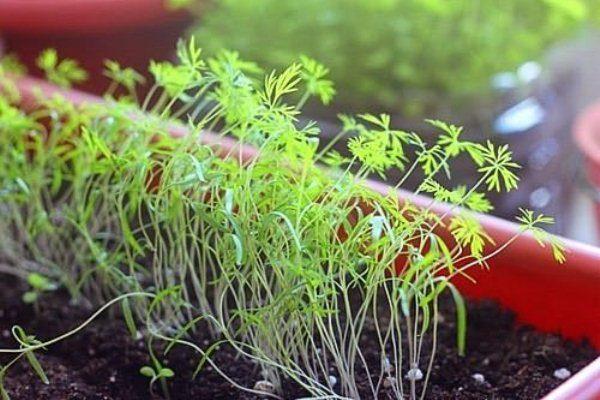
Illumination of the area
The plant, especially in hot southern regions, is best planted in slightly shaded areas, but the bushes should receive at least 10-12 hours of natural light. Plants growing in the open will need to be covered with a covering material to prevent the young grass from burning.
Bad soil
This easy-to-grow plant requires minimal fertilization with all types of fertilizer. In early spring, this should be a nitrogen or organic solution. In summer, potassium-phosphorus fertilizers with added organic matter will be essential for growth.
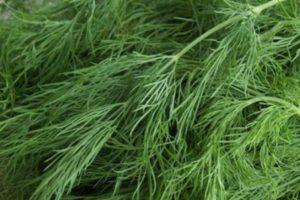
To plant dill, highly acidic soils will need to be limed. Add 200 grams per square meter of the bed.
Bad seeds
If the seeds are old or were purchased from a dishonest seller, this may be the reason for the delayed emergence of shoots; in the worst case, the dried-out planting material will simply fail to produce sprouts.
Before purchasing, it is recommended to visit gardening forums and read information about the best varieties and where to buy.
Many experienced gardeners buy dill seeds at the pharmacy, where they are sold as medicine. However, this doesn't guarantee fresh seeds from high-yielding dill plants. However, this method is preferable in terms of saving money.
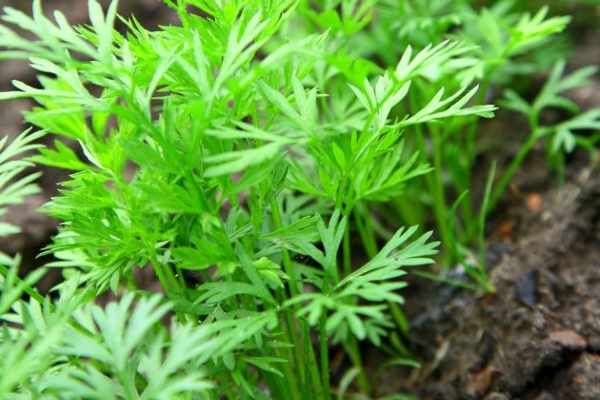
Incorrect landing
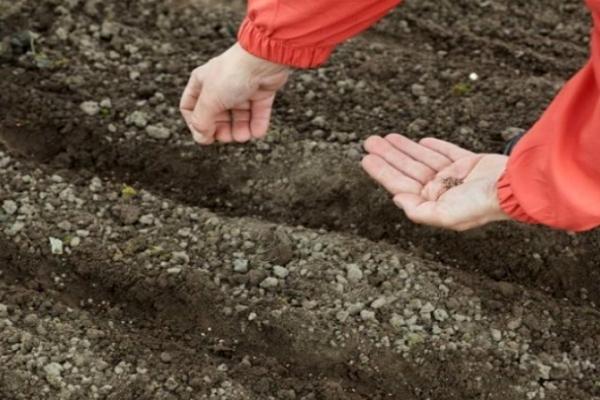
The development of greenery can be inhibited due to several mistakes gardeners make when planting seeds in open ground:
- the seeds were not pre-soaked in potassium permanganate and growth enhancer - this significantly increases the time it takes for the sprouts to emerge to the surface;
- You cannot throw planting material from a great height - the delicate sprouts and the surface of the seeds can be damaged, and growth will stop;
- When planting, water the furrows or the surface of the bed with warm water—this ensures the seeds receive adequate nutrition and oxygen. Planting in dry soil will kill the seeds.
- To provide yourself with aromatic dill greens, when planting around the perimeter of the bed, after 2-3 weeks, water the soil with a sprayer, and repeat the planting of seeds;
- The maximum depth for planting seeds is 20 millimeters; deep planting increases the germination time of the seedlings, which emerge weakened and stunted.
Tip! Don't add large amounts of organic matter and mineral fertilizers to the soil, as this will increase nitrate levels in the leaves. Pre-soaking a bunch of grass in purified water 2-3 hours before eating will help reduce the level of harmful substances.
Care mistakes
Insufficient fertilization and other plant care work can slow down plant development, while an excess of water and organic matter also has no beneficial effect on the plant.

Watering mode
In hot climates, the plant requires light watering at least twice every 7 days. Based on this rule, gardeners adjust the frequency of soil watering without increasing the amount. During dry periods, water the plants every other day, while in rainy summers, rainfall will provide sufficient moisture.
After each watering, it is essential to loosen the soil and add an additional layer of mulch.
Top dressing
To provide the plant with fertilizer, apply it when preparing the bed for planting. To do this, take 5 kilograms of turf soil and humus, add 200 grams of superphosphate and 300 grams of wood ash. Mix the ingredients thoroughly. If the soil is highly acidic, add 200 grams of quicklime and spread the mixture evenly over one square meter of the bed.
Diseases and pests of dill
Dill is prone to blackleg, powdery mildew, and phoma. This is caused by overwatering and dense planting. Preventative soil loosening, mulching, and maintaining proper watering can help prevent this.
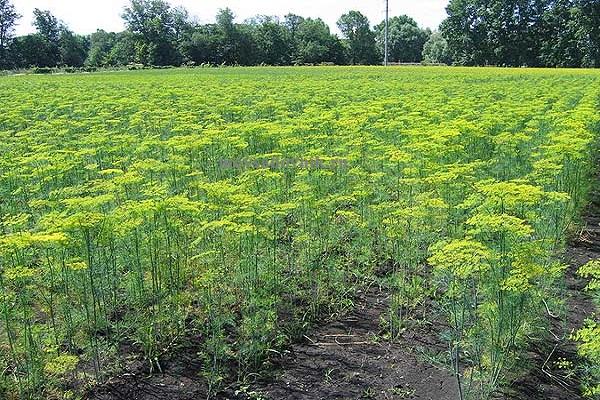
If the stems of the bushes begin to turn black or the foliage becomes covered with a white coating, spraying with a copper sulfate solution or another solution is recommended. Popular remedies include a soda solution and washing the bushes with a solution of 30 grams of laundry soap dissolved in 10 liters of water.
Among the pests, we should highlight the scourge of all garden plants: aphids. A soap solution and blocking the ant paths with trapping belts come to the rescue.
How to speed up the germination and growth of dill?
Planting seeds in the spring, especially during sudden temperature increases, increases the risk of soil drying out and forming a hard crust on the surface. To avoid losses, follow a few simple steps:
- When soaking seeds, add potassium permanganate to the water, dilute the growth activator in it, and soak the planting material for 10-14 days. These seeds develop faster, and sprouts appear earlier;
- the soil of the garden bed should be rich in nutritious mineral and organic compounds, which are added several months before planting the seeds;
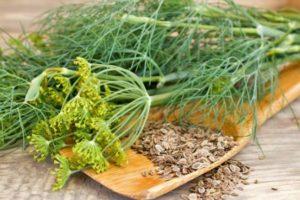
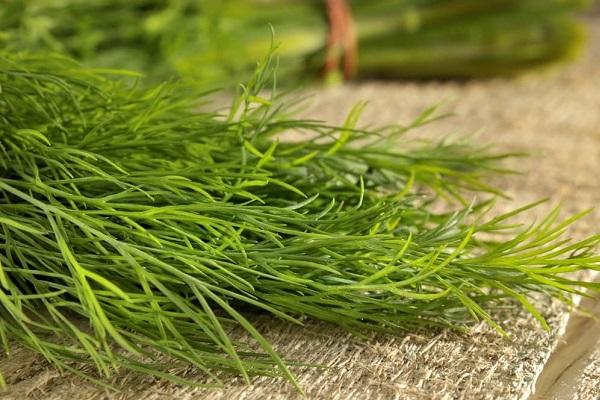
- Gardeners are advised to pre-grow dill seedlings in a box or milk carton. However, if you follow the recommendations already listed, this labor-intensive procedure won't be necessary.
- Plant growth may be slowed by excessive application of potassium or lime; when using them, it is necessary to follow the recipe for preparing nutrient soil;
- at growing dill and other plants, it is necessary to ensure good ventilation of the plantings; the minimum row spacing when planting bush dill is 200 millimeters.
Planting late varieties
This planting method allows you to extend the harvest of aromatic dill throughout the summer. Late-ripening dill is planted from late May to mid-June. However, such plantings will require light shade with a tarp made of covering material and daily watering with a small amount of water until the sprouts emerge. Subsequent care follows the standard plan.
This method allows you to get young leaves, and the plants do not have time to bloom before the onset of cold weather.
Conclusion
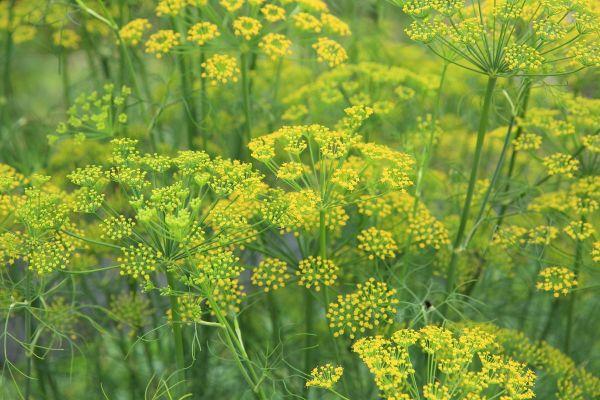
To obtain a decent harvest of aromatic and delicious dill foliage throughout the season, simply plant several varieties and stagger their planting times. Regardless of the variety, dill beds require minimal maintenance. By providing the plants with the proper conditions, every gardener reduces the risk of stunting the growth and development of this aromatic herb.
Related posts:
 How to choose the best dill varieties for growing greens without umbrellas in open ground and greenhouses
 Basic rules for growing and caring for dill: how many days it takes for it to sprout, how it grows, and when it ripens into greens
 Recipes for pickling fresh dill for the winter at home in jars, proportions, and storage
 How to grow dill in a greenhouse in winter, the best varieties, why the spice gets sick, and how to sow them correctly
 The best eggplant varieties for growing in a polycarbonate greenhouse: planting and care
 Medicinal properties and contraindications of dried and fresh dill, its use in folk medicine
 Growing bush dill for greens, describing its varieties, and harvesting
 15 simple recipes for pickling tomatoes in jars for the winter