
In summer, a housewife has no problem choosing herbs for various dishes. But in winter, finding a solution can be challenging. This article discusses how to properly pickle dill in jars for the winter, discusses the beneficial properties of this herb, the specifics of preparing it for canning, and provides several examples of the most popular recipes.
Composition and beneficial properties of dill
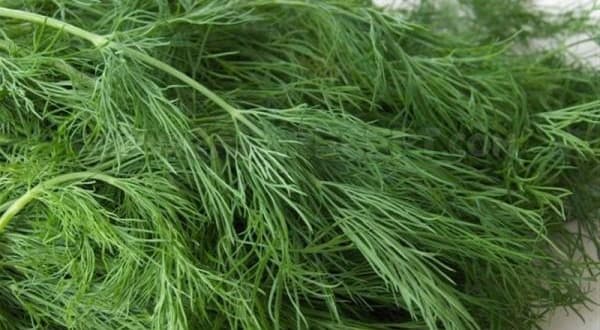
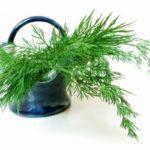
Dill is an annual herb from the Apiaceae family, widely grown throughout the world. Dill leaves contain large amounts of vitamins C, E, P, and B. The herb is rich in various organic acids, essential oils, and beneficial macro- and microelements; it is also low in calories.
Dill has a beneficial effect on human health. It has the following beneficial properties:
- helps to improve immunity and has a general strengthening effect;
- counteracts various infectious diseases due to its bactericidal properties;
- supports the functioning of the cardiovascular system, recommended by doctors for use by those suffering from hypertension;
- normalizes kidney function, has a diuretic and choleretic effect;
- It has a positive effect on the digestive system, relieves spasms, and prevents increased intestinal gas formation. Dill accelerates the breakdown of heavy foods, which has a beneficial effect on digestion.
- has a positive effect on the endocrine system, normalizes the female menstrual cycle;
- has a calming effect, is effective as a remedy for insomnia;
- relieves headaches;
- slows down the aging process, allowing you to prolong youth;
- disinfects the oral cavity, eliminating possible inflammatory processes and freshening breath.
 Please note! Despite its many benefits, cases of individual intolerance have been reported. Also dill is contraindicated people suffering from low blood pressure.
How to properly prepare dill
When preparing fresh dill for canning, there are some subtleties, without which the preparation will not be successful.
When preparing grass, it is necessary to take into account the following recommendations:
- Do not use water that is too hot or too cold to wash greens. These temperatures should be room temperature;
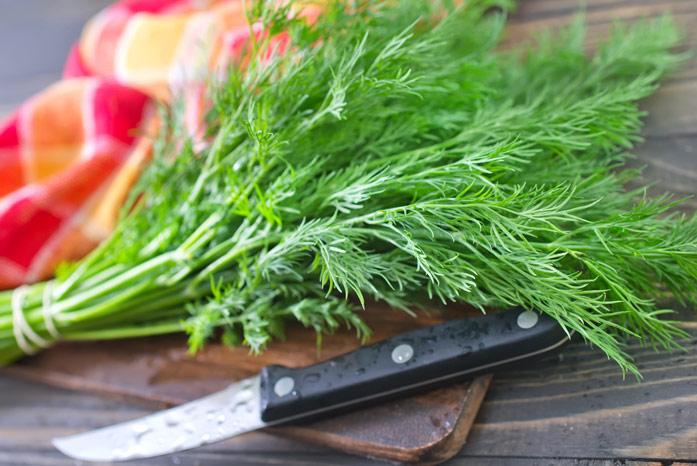
- Before chopping, wash the dill and spread it on a clean, dry cloth to allow excess liquid to naturally drain. Another drying method is to hang whole sprigs on a stretched rope.
- When placing the herbs for drying, avoid direct sunlight to avoid overdrying the raw materials;
- In order to maintain hygiene, it is necessary to prevent exposure of the product being prepared to wind and insects;
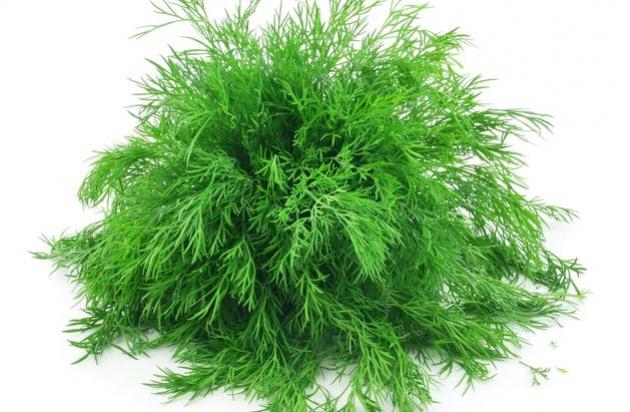
- Only thin sprigs, without stems, are used for canning. But don't rush to throw away the leftovers. They are suitable for pickling cucumbers and other vegetables.
The listed measures will allow save in dill useful qualities, protecting the workpiece from the adverse effects of various factors.
We calculate the optimal proportions of ingredients
Pickling dill at home doesn't require any special skills, but it does require careful calculation of the ingredients' ratios.
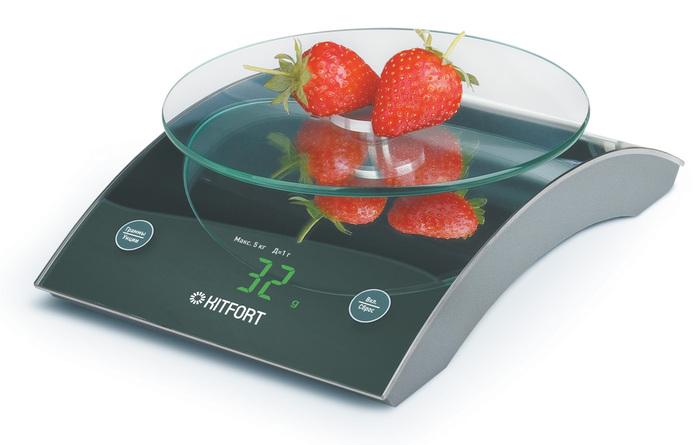
A housewife should always have kitchen scales at home, which allow her to accurately measure out any product.
The settings of such a device allow you to set various units of measurement, including grams, milliliters, and others.
Measuring cups are used to measure liquids. However, in this case, it's important to keep in mind that the same volume of different components will vary in weight. When determining the proportions of ingredients, it's important to correctly adhere to the ratios specified in the recipe. However, blind adherence to the instructions isn't always necessary – it's important to use the specified ingredient values wisely to avoid potential errors and inaccuracies.
Methods for pickling dill for the winter in jars
There are many recipes for pickling dill. Below are the most popular ones.
Classic recipe
When pickling dill according to the classic recipe, you will need to prepare the following in advance:
- cutting board;
- a sharply sharpened knife;
- jar and lid;
- masher.
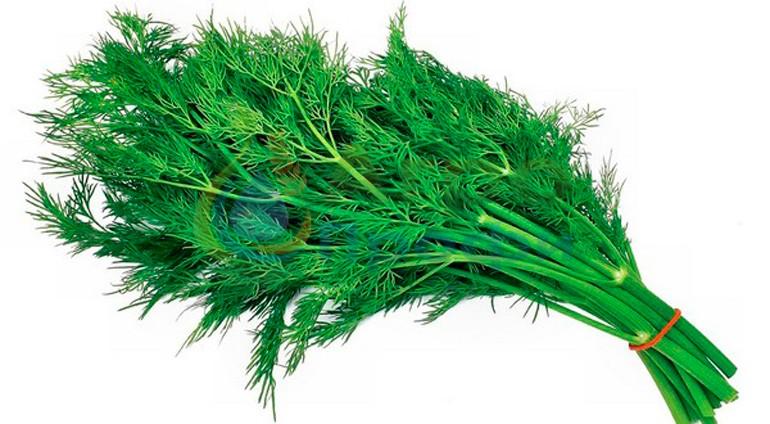
The only ingredients you'll need are salt and dill. Here's how to make it:
- collected or purchased grass undergoes the above-mentioned preliminary processing;
- dill is finely chopped;
- the jar is thoroughly washed and sterilized beforehand;
- The greens are placed in a container in layers: alternating two tablespoons of herbs with one teaspoon of salt;
- After every two layers, using a pestle, the contents are pressed to compact the contents of the jar and squeeze the juice out of the plant;
- In the given order, the container is filled completely, closed with a lid and placed in the refrigerator.
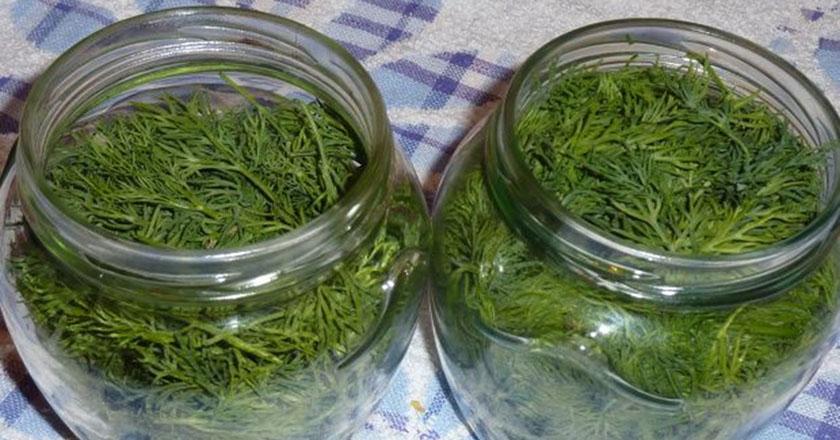
When cooking using this preparation, it is necessary to take into account that it contains a certain amount of salt, in order to avoid its excess in the dish.
Dill in vegetable oil
Another method for preserving dill for the winter, where the word "salt" isn't quite applicable, is using vegetable oil. This product is used as a preservative. It's poured over the dill in jars. This allows the greens to be preserved for a long time if stored in the refrigerator. The oil, infused with the dill aroma, is perfect as a piquant seasoning for various salads, imparting a unique and inimitable flavor. This method doesn't require salt.
Another option involves preparing:
- three hundred and fifty grams of dill;
- twenty grams of citric acid;
- eight grams of salt;
- three cloves of garlic;
- two bay leaves;
- four grams of sugar;
- two hundred and fifty milliliters of refined sunflower oil.
Preservation procedure:
- washed greens are placed in sterilized containers;
- In a frying pan or saucepan, heat the oil over the fire for eight minutes, and at the very beginning of the process, add citric acid and peeled and quartered garlic cloves;
- the resulting mixture is cooled slightly and, while hot, is poured into jars with herbs;
- The container is sterilized for about eight minutes and gradually cooled.
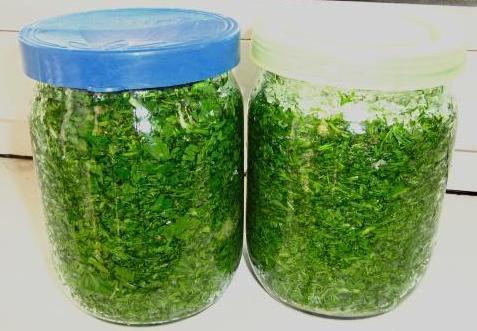 It is important not to overdo the sterilization time so that the herbs retain their beneficial properties without becoming fried.
With vinegar
A few more ways to do it dill preparations Some methods involve marinating in a vinegar solution. One involves sterilization, in a slightly acidic brine.
To prepare the marinade, you will need:
- three hundred grams of eight percent vinegar;
- fifty grams of sugar;
- thirty grams of salt.
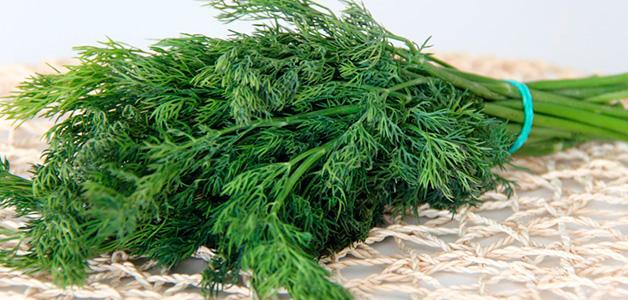
The herbs are pre-treated as described above. There's no need to chop the dill. After separating the large stems, the herbs are placed in jars and compacted. The prepared marinade is brought to a boil, poured into individual containers, and the jars are sealed. The containers are sterilized in a water bath for 45 minutes, during which 20 minutes are allocated to preheating the jars to 90 degrees Celsius (190 degrees Fahrenheit) and 25 minutes are allocated to maintaining the temperature.
Cooling after sterilization should be gradual.
Another option is to use a vinegar dressing. The ratio of ingredients is the same as in the recipe above, but you'll need 30 grams more vinegar, no sugar, and 15 grams of salt. The vinegar is pre-mixed with two tablespoons of water.
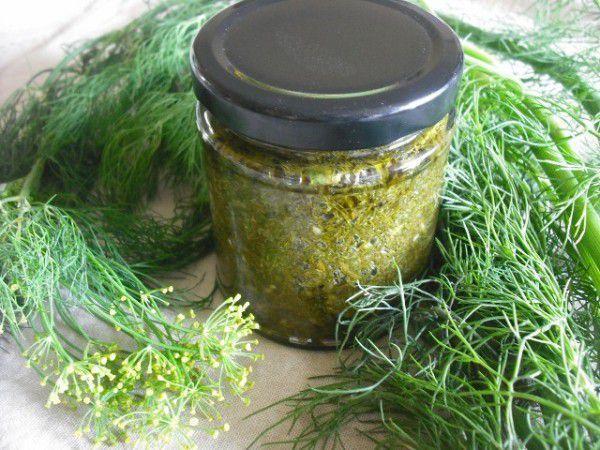
The preparation method does not require sterilization. Place the dill in a container, cover with the mixture, and store in a cool place.
With citric acid
To prepare salted dill for the winter using citric acid, you will need to first prepare the following ingredients:
- six hundred grams of greens;
- one medium-sized lemon;
- fifteen grams of sugar;
- four allspice peas;
- ten grams of salt;
- twenty grams of citric acid.
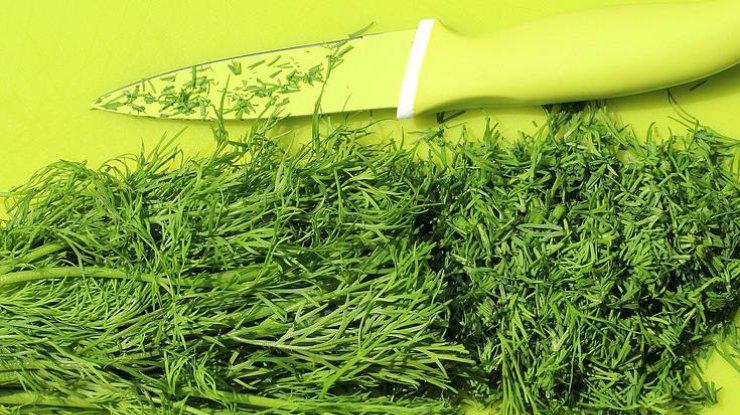
Preparation of canned food is carried out in the following sequence:
- The greens and lemon are washed thoroughly. The surface of the citrus fruit is thoroughly scrubbed with a brush, but not scraped off;
- the container is sterilized;
- dill is finely chopped, lemon is cut into thin slices, up to five millimeters thick;
- The ingredients are placed in a container in layers: lemon, then a two-centimeter layer of dill. The layering should begin and end with the lemon;
- The marinade is prepared. After mixing all the above ingredients, place the container on the stove. Boil for seven minutes;
- The marinade is poured into jars with the preparation, rolled up and sterilized for a quarter of an hour.
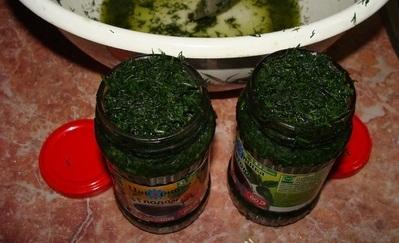
The workpiece is covered and kept in this state for about a day, after which it is placed in a cool place.
Take a look Also
Dried herbs
For those who don't want to waste time on complicated jarring recipes, simple methods for drying herbs are suitable.
There are several similar recipes for preserving dill:
- In bunches. The roots are removed, the grass is formed into small bunches and tied at the base with thread. The bunch is hung by the branches until completely dry. Avoid direct sunlight, contact with insects, foreign odors, and drafts;
- Spread out on a sheet of paper. The prepared greens are spread out on the paper and left until completely dry. The preparation is turned daily. Drying conditions are similar;
- Mechanically. The prepared herbs are placed on a baking sheet and placed in an oven or a specialized dryer. They are dried at a low temperature for five to six hours.
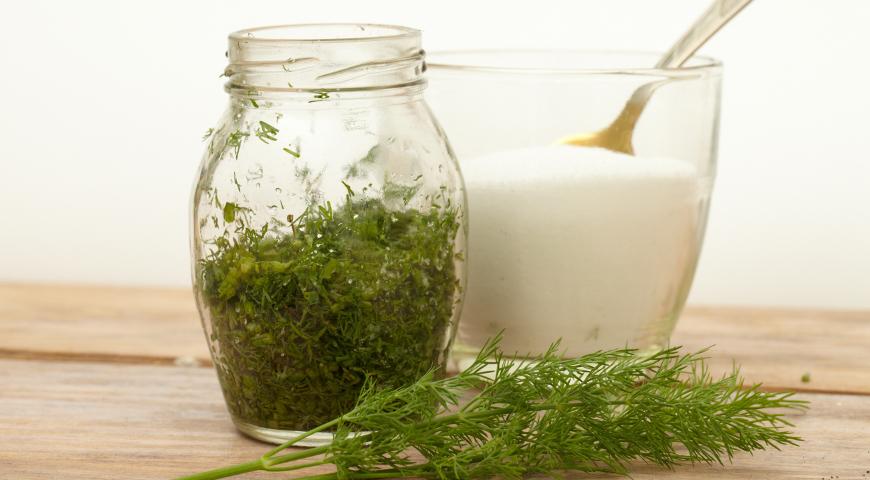
This dill is perfect as a seasoning for any dish, adding a spring flavor.
Frozen greens
These methods have a significant advantage over the above, since they allow the grass to remain fresh.
There are also several known methods:
- Bunches. Similarly prepared, the bunches are wrapped in cling film or foil and placed in the freezer's vegetable drawer. If necessary, the required amount is removed and separated from the main mass;
- chopped. The herb is chopped, packaged in bags, sealed hermetically, and placed in the freezer;
- In freezing molds. Finely chopped herbs are placed in molds and filled with liquid or oil in a two-to-one ratio. The product is frozen for two hours, transferred to bags, and stored in the freezer. This method allows you to portion the herbs before freezing.
Frozen greens retain all their valuable nutritional qualities in full.
How to properly store prepared herbs
If dill was harvested without sterilization, it should be stored in the refrigerator only. Sterilized dill can be stored in a cellar or other cool place. As can be seen from the material presented, dill harvested this way can be used year-round, allowing you to reap its beneficial benefits at any time of year.
Related posts:
 The best recipes for preparing and storing dill for the winter at home
 How to choose the best dill varieties for growing greens without umbrellas in open ground and greenhouses
 How to freeze dill in the refrigerator for the winter: the best recipes
 Description of the best dill varieties for open ground and for greens, what the plant looks like
 How to dry dill at home for the winter
 How to keep dill fresh in the refrigerator and freezing methods at home
 Characteristics and description of the Alligator dill variety
 Basic rules for growing and caring for dill: how many days it takes for it to sprout, how it grows, and when it ripens into greens