
- What is necessary for long-term storage of canned goods?
- Humidity and temperature indicators
- Room illumination
- Where is the best place to store jars of preserves?
- Cellar
- Balcony
- We place canned food in the apartment
- The nuances of storing various cucumber preparations
- Marinating
- Pickles
- Canned food
- Preserving barrel cucumbers
- How long can winter preparations be stored?
- Before opening the can
- After uncorking
- Tips and recommendations
- Conclusion
Pickled cucumbers are considered a traditional snack, prepared by almost every housewife. Canned cucumbers should not be stored at room temperature, as they will spoil quickly. Therefore, it is recommended to figure out how to store pickles in an apartment in advance.
What is necessary for long-term storage of canned goods?
To ensure that canned cucumbers don't spoil for a long time, you need to understand what's needed for long-term storage.
Humidity and temperature indicators
It's recommended to decide in advance at what temperature to store pickled cucumbers. Some believe that pickles will last a long time at 20-25 degrees Celsius, but this is far from true. Under such conditions, canned vegetables spoil quickly, causing the jars to explode.
When storing canned vegetables, use cellars where the temperature remains at 5°C (41°F), with humidity levels of 85-95%.

Room illumination
Some people believe that lighting has no effect on the shelf life of canned vegetables, but this is not true. Experienced home cooks recommend ensuring that the room where the canned vegetables are stored is not too bright. It is recommended to protect canned vegetables from direct sunlight, as it negatively affects the shelf life and taste of the preserves. Therefore, the room where the cucumber jars are stored should be windowless.
Where is the best place to store jars of preserves?
There are several common places that are often used to store pickled cucumbers.

Cellar
Most often, canned vegetables are stored in special cellars. These are underground cavities designed for storing food. These structures consist of an upper and a lower section, the latter of which is sunk into the ground to a depth of two and a half meters. The cellar walls are lined with brick or lined with wooden beams. Since the cellar is underground, it offers ideal conditions for storing preserves. The temperature inside rarely rises above 6 degrees Celsius.
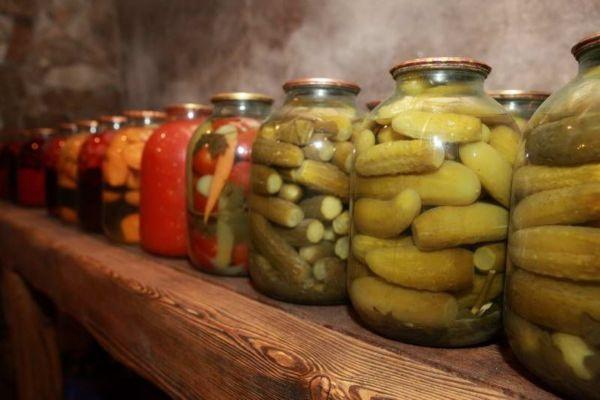
Balcony
Apartment dwellers can store their pickled cucumbers on the balcony, if they have one. If properly furnished, the balcony is ideal for storing pickled cucumbers. The windows should be covered with thick fabric to block sunlight. A heating unit should also be installed to regulate the temperature in the winter.
We place canned food in the apartment
Storing canned food in apartments is challenging, especially if they don't have a balcony or loggia where you can store the jars for the winter. Finding a suitable place for canning in a heated room can be very difficult. If a suitable spot isn't available, you can set up a pantry under the kitchen windowsill. You can also use a kitchen cabinet that will not let in any light.

The nuances of storing various cucumber preparations
There are several nuances to storing different cucumber preparations that you should be familiar with.
Marinating
Most often, housewives pickle freshly picked cucumbers and preserve them for the winter. It's recommended to figure out how to store pickled vegetables in advance to avoid problems in the future. In a cellar, these snacks will keep for two years. However, at room temperature, their shelf life is reduced to 3-4 months. To prolong their shelf life, thoroughly sterilize the containers before sealing.
Pickles
Pickles preserved in brine have a much shorter shelf life than pickled snacks. To prevent pickles from spoiling quickly, you'll need to carefully monitor the humidity and temperature of the storage area. If the temperature is too high, the brine will begin to sour and spoil.
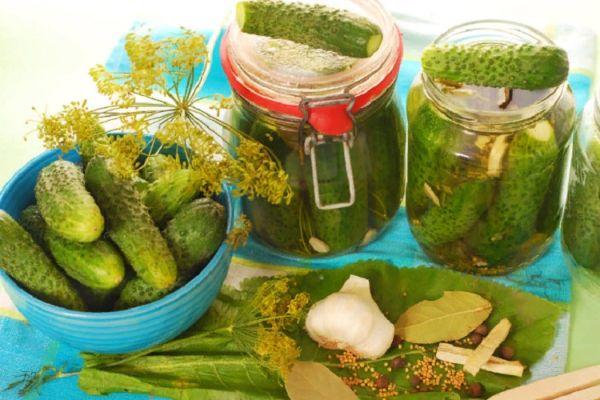
To ensure that these pickles don't spoil for a longer time, it is recommended to store them in one-liter containers.
Canned food
Canned pickles, often preserved for the winter, have the shortest shelf life. It's recommended to store them only in suitable conditions. Storing them in an apartment with temperatures between 18 and 25 degrees Celsius is contraindicated. High temperatures will cause the pickles to spoil quickly.
Preserving barrel cucumbers
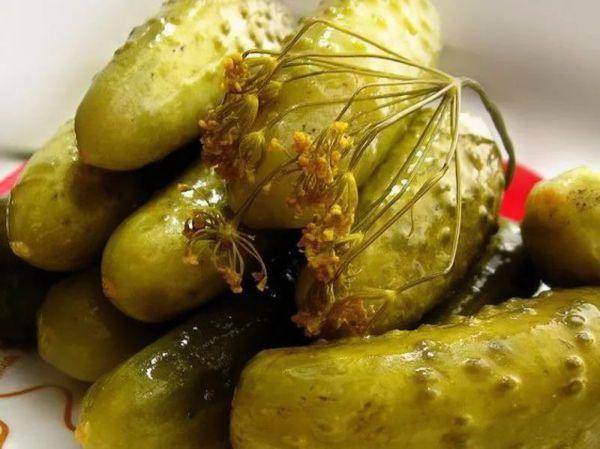
People often preserve cucumbers not in glass containers, but in wooden barrels. In this case, they are filled with a special brine, which must be kept at a temperature of 2-3 degrees Celsius. Finding such a cool place in an apartment is impossible, so they don't keep for long. However, if you move the barrel to the balcony in winter, the shelf life will be extended by several months.
How long can winter preparations be stored?
The shelf life of the prepared goods depends on whether the jar of pickles has been opened or not.
Before opening the can
Most often, people store canned foods in sealed containers. However, even hermetically sealed products have a shelf life. Experts recommend eating all canned vegetable snacks within a year of preparation. However, this isn't always possible, and unopened jars have to be stored for a second year. In this case, before using the preparations, they are checked for the presence of fungal infections.
After uncorking
Canned goods stored in opened jars have a much shorter shelf life because fungus develops quickly. Therefore, opened pickles should not be stored for long, even if refrigerated at low temperatures. Under such conditions, the pickle will spoil within fifteen days. At room temperature, the shelf life is half that.

Tips and recommendations
Here are some tips to help you preserve your pickled cucumbers longer:
- Canned products should be stored in a cool and dark place;
- cucumbers cannot be stored for a long time at a temperature of 15-25 degrees;
- To keep opened pickles from spoiling for a longer time, they are stored in the refrigerator.

Conclusion
People often prepare canned snacks from fresh cucumbers.
However, before you start making such preserves, you need to familiarize yourself with the specifics of storing them.
Related posts:
 The best eggplant varieties for growing in a polycarbonate greenhouse: planting and care
 Methods for planting and propagating cherries at home
 The best grape varieties for growing in the Urals, planting and care rules in summer
 Descriptions of the 20 best cherry varieties for the Moscow region, their planting and care
 How to properly dry winter garlic after digging and where to store it at home
 How to control carrot flies with medications and folk remedies
 Timeframes and methods for preserving grapes for the winter at home
 The health benefits and harms of cherries, rules of consumption, and their effects on the body