
- Long-term storage conditions
- How to choose the right varieties
- Preparation for storage
- Watering
- Top dressing
- Standardization
- How to harvest properly
- How to store properly
- Preparing the premises
- Basic methods and rules of storage
- Hanging
- On the green ridges
- In boxes and barrels
- On the shelves
- In the refrigerator
- A review of the best varieties for long-term storage
- Moldova
- In memory of Negrul
- Senso
- Moldovan Black
- Muscat of Alexandria
- Alden
- Storage features at home
- Best before date
- Consequences of violation of storage rules
- Tips and advice from experienced gardeners
Grapes are a delicious and nutritious berry. After harvesting, you want to keep the bunches fresh for as long as possible. But if you have a large harvest, you need to find alternative ways to store them so they don't spoil too quickly.
Long-term storage conditions
Before thinking about how to preserve the freshness of grapes or what to do with them after harvesting, you need to study the conditions for long-term storage of berries.
How to choose the right varieties
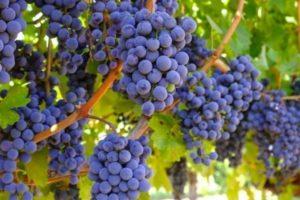
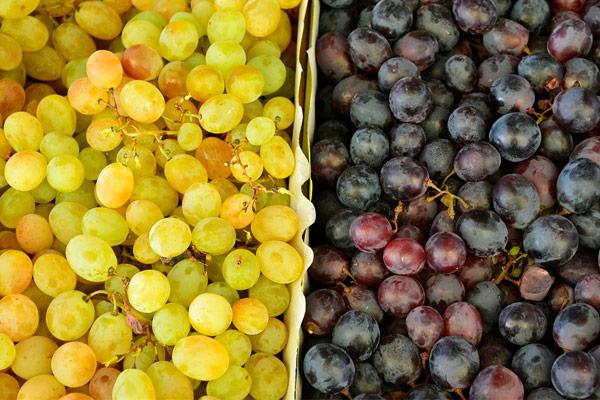
Late-ripening grape varieties store best. They have thick skins and stay fresh longer, even if left hanging on the vine. Black hybrids also have a long shelf life. Compared to white and green grapes, black-fruited hybrids can stay fresh much longer without fermenting.
Preparation for storage
Before harvesting, you need to know how to do it properly. By following all the necessary rules, you can keep your grapes fresh for much longer.
Watering
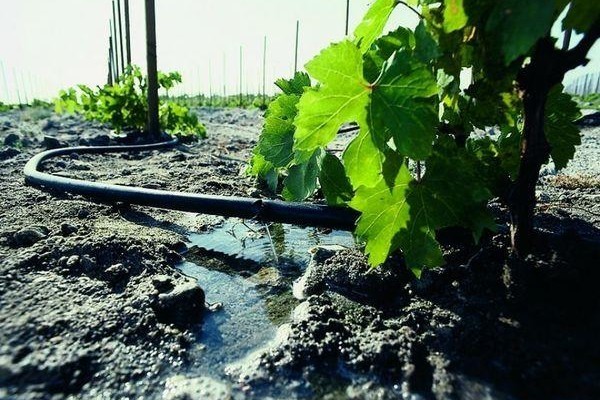
There shouldn't be long gaps between waterings. Otherwise, the skins will begin to harden and crack during ripening. Regular watering should be done in the spring and summer. In August, watering is stopped to allow the bunches time to ripen.
Top dressing
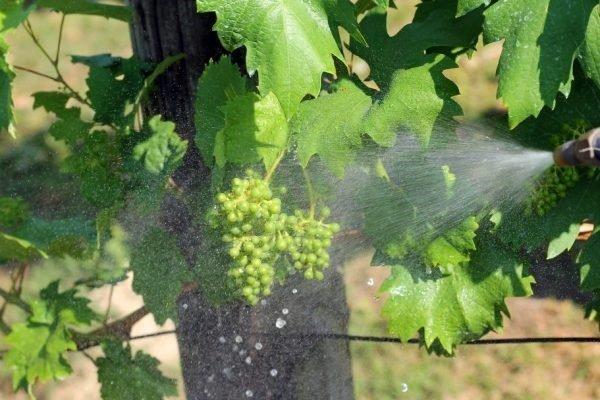
Regular fertilizing also has a positive effect on the shelf life of the harvest. Phosphorus and potassium are essential for the quality of grapes, so these mineral fertilizers are added to the soil as soon as the vines finish flowering.
They can be applied separately or as a complex fertilizer.
Standardization
Thinning grapes means evenly distributing the load on the vine. If a grapevine has too many buds and too many clusters, sooner or later the vine will exhaust all its strength and stop producing fruit altogether. Moreover, in this case, the clusters will be small. However, allowing too few clusters to form is also undesirable.
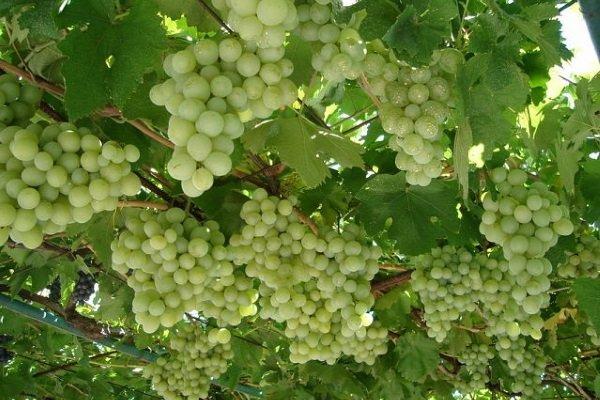
If the bunches of grapes become smaller year after year, the grapes become tasteless, and the number of branches only increases, it is necessary to cut off some of the branches to relieve the load on the vine.
How to harvest properly
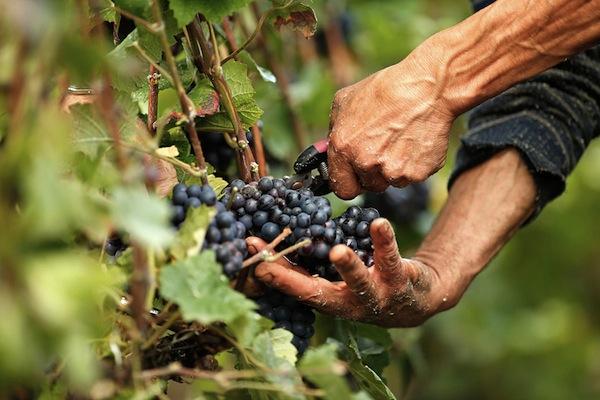
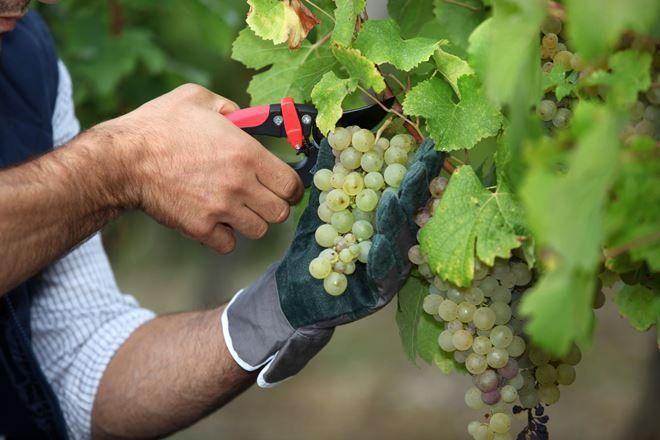
Grape harvesting should only begin once the bunches have reached technical maturity. This can be determined by the skins acquiring the characteristic color of the variety and the fruit becoming soft. The stems also turn brown.
It's recommended to harvest the bunches in sunny, dry weather. If it has recently rained, it's best to delay harvesting for 1-2 days. When harvesting, avoid rubbing off the waxy coating that covers the berries. Also, remove any dry or moldy fruit immediately to prevent the remaining fruit from spoiling.
How to store properly
The storage method determines how long cut bunches will stay fresh. First, choose a storage method. Then, decide on a storage location. This is a very important factor.
Rules for storing grape bunches:
- Moldy berries should be thrown away immediately to prevent the mold from affecting healthy fruit.
- When harvesting, carefully stack the bunches to avoid rubbing off the waxy coating, which increases the shelf life.
- The brushes should not be placed too close to each other.
- The berries should not be wet, otherwise they will ferment quickly.
To a large extent, the shelf life depends on the grape variety.
Preparing the premises
Dark, well-ventilated areas are best for storage. The harvest should not be exposed to direct sunlight. It's also important to keep the room cool. Berries spoil quickly at high temperatures.
Basic methods and rules of storage
There are many ways to store grapes after harvest.
Hanging
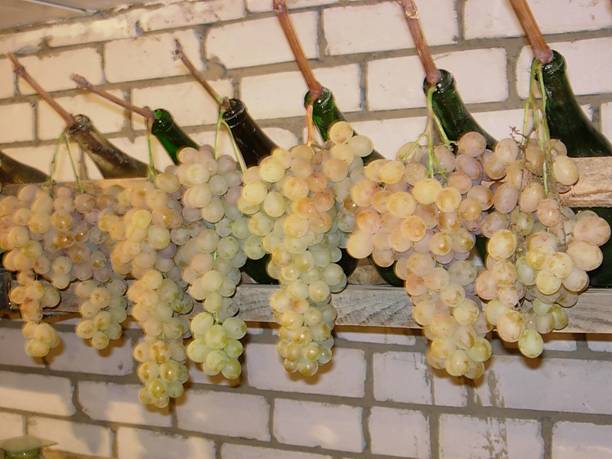
One way to keep grapes fresh is by hanging them. To do this, the bunch is cut off, along with part of the stem. The end of the stem is coated with melted paraffin or regular plasticine. A strong rope or metal wire is tied to the wire in advance in the room where the grapes will be stored. Special hooks are hung on the wire, which are then used to conveniently hang the bunches.
The harvest can be stored this way for up to two months. But the longer it hangs, the worse its flavor will be. The grapes gradually begin to shrivel and shrink in size.
On the green ridges
This method is similar to hanging. The bunches are cut with a portion of the green vine they hang from. However, unlike hanging on green combs, the grapes don't wrinkle and remain juicy longer.
The green combs are placed in jars filled with water and secured so that the trusses do not fall out. The water is boiled beforehand, cooled, and an aspirin tablet is dissolved in it. It is best to store the harvest in a cool, dark place. The water is always changed.
In boxes and barrels
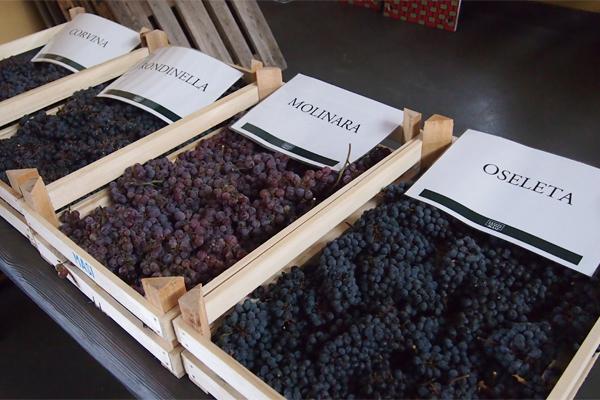
Wooden boxes or barrels are suitable for this method. The containers are pre-washed and disinfected. The boxes are approximately 20 cm high. Add sawdust, straw, or sand to a depth of up to 3 cm at the bottom. Add a layer of grape clusters. Sprinkle them with sawdust. Then add another layer. Continue this process until the boxes are full. Poplar or linden sawdust is best. Spruce sawdust is not recommended, as the grapes quickly absorb the scent of the pine needles.
On the shelves
A common method for storing grapes is on shelves or racks. The distance between them should be at least 20 cm, and the width should be approximately 80 cm. Before transferring the bunches, sprinkle sawdust or straw on the shelves. The bunches are laid out in a single layer. The grapes should not be tightly packed together. However, this method will not preserve grapes for long.
In the refrigerator
Another method is refrigeration. The bunches are laid out in a single layer in a large container and placed on the bottom shelf of the refrigerator. To extend shelf life, the bunches are cut off with the stems and placed in cool water. Then, they are refrigerated.

A review of the best varieties for long-term storage
But no matter how excellent the storage method, one cannot ignore the fact that some varieties simply cannot be stored for long periods of time due to their characteristics. This is especially true for thin-skinned, yellow, and green varieties.
Only dark-fruited varieties have a long shelf life.
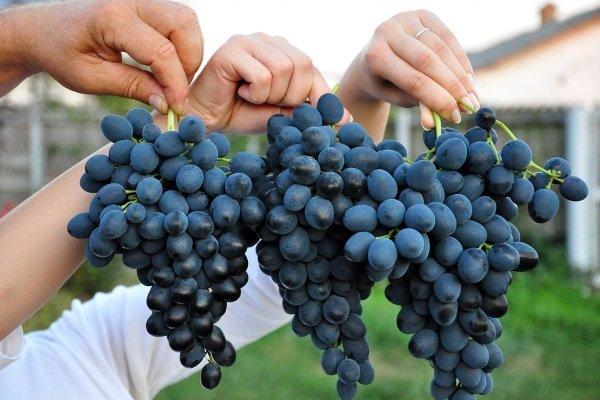
Moldova
This hybrid was bred in Moldova, as its name suggests. It's a late-ripening variety, with the harvest ripening around mid-September. The clusters are large, averaging 550-600 g. A maximum bunch weight can reach 1 kg. The bunch is cone-shaped. The grapes are a rich purple hue, with a high sugar content in the pulp, reaching 17%. Due to the dense skin, the grapes have a long shelf life after harvest.
In memory of Negrul
This hybrid is a table grape variety. The grapes have an unusual elongated shape. The clusters are cylindrical. The pulp has a high sugar content, reaching 17-19%. The berries are large, weighing from 5 to 9 g. The skin is eggplant-colored and covered with a thick waxy coating. The ripe pulp is juicy, honey-like, with a pleasant tart flavor. There are few seeds inside, no more than 2-3.
Senso
Fully ripened clusters are medium-sized, weighing from 250 to 355 g. The shape is conical. The fruits are large and elongated. The skin is dark purple, covered with a thick waxy coating. Inside the pulp are 2-3 seeds. The flesh is juicy, crisp, with a pleasant tart flavor. This hybrid is considered mid-early. Ripening period is approximately 150 days. The yield is good.
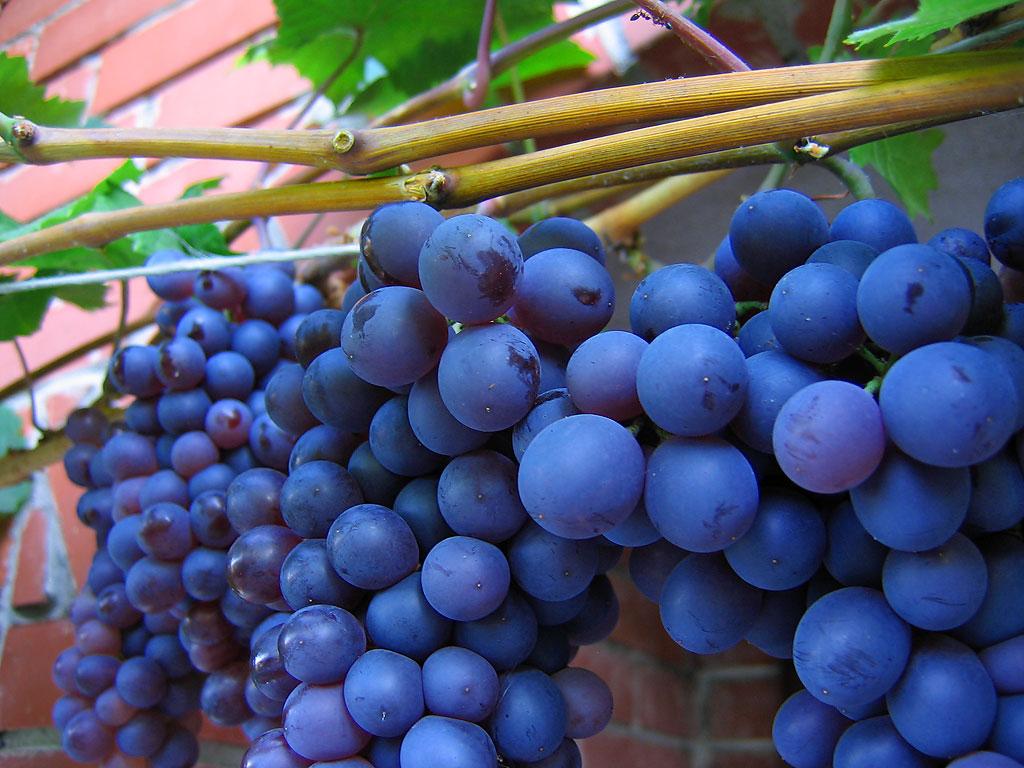
Moldovan Black
Ripe bunches are large, elongated, and conical in shape. Grape density varies depending on pollination. This hybrid is a late-ripening variety. The harvest begins to ripen in early October. The fruits are dark blue or dark red, with a thick waxy skin. Sugar content is average, around 16%.
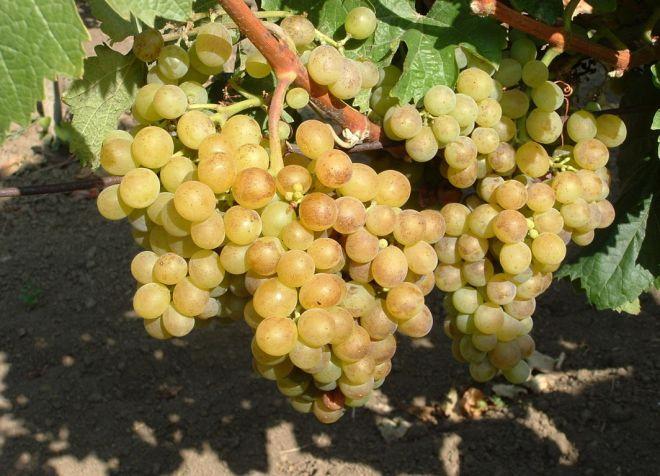
Muscat of Alexandria
A late-ripening hybrid, the growing season lasts approximately 150-160 days after fruit set. The berries are medium to large in size, with a regular, round shape. This hybrid is one of the few exceptions that boasts a long shelf life despite its light green skin. This is possible thanks to its dense skin. The clusters are large, varying in shape and density. To ensure the harvest lasts longer, the bunches are harvested on a sunny, dry day.
Alden
A mid-early hybrid with a harvest season. The clusters can be harvested in the second half of August. Its advantages include resistance to severe frosts down to -28°C (-28°F) and resistance to powdery mildew. The clusters are medium-sized and cylindrical when fully ripe. The grapes are round, with a dark purple skin and a noticeable thick wax layer.
Storage features at home
First of all, to ensure long-term storage of grapes at home, you must pick them immediately and leave only whole berries. If good grapes come into contact with moldy or cracked berries, they will quickly spoil. Do not wash the bunches before storing. The waxy coating on the bunches affects their shelf life. If this is washed off, the harvest will not last long.
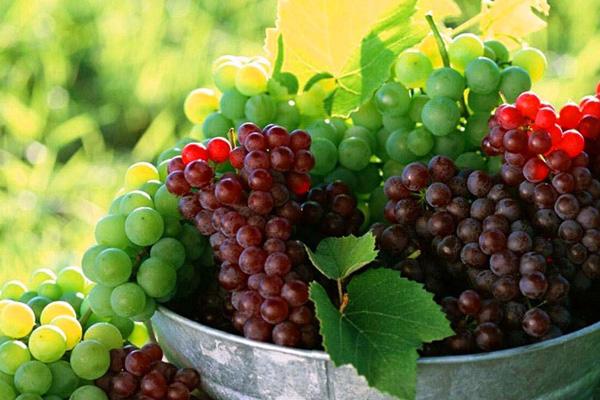 If the fruits are slightly damp, they should be dried first. The bunches are laid out on a towel until dry. It's best to avoid any foreign odors in the room where the grapes are stored. The grapes quickly absorb these odors, which can negatively impact their flavor.
Best before date
With proper storage conditions, the harvest can stay fresh until spring. For example, it will last the longest if the clusters with green ridges are placed in water. The shelf life can be up to six months. But again, this depends largely on the variety. On average, the shelf life is from a few weeks to several months.
Consequences of violation of storage rules
If grape storage rules aren't followed, their shelf life will naturally be shortened. The more serious the errors, the worse the impact on shelf life. The fruit may begin to mold, ferment, or dry out.
Tips and advice from experienced gardeners
Tips and recommendations from gardeners to help extend the shelf life of their grape harvest:
- It's best to store the harvest at 0 degrees Celsius. At above-zero temperatures, the water in the berries will evaporate quickly, causing them to dry out faster.
- It's not recommended to cut the clusters while there's still dew on them. It's best to wait until it evaporates.
- The bunches should be removed for storage as late as possible.
- The best varieties to store will be those with a high sugar content in the pulp, the optimal value is at least 15%.
- Berries can be frozen. Just make sure no more than 8 hours pass between picking and freezing.
- Varieties that are not prone to shedding even after the bunches reach technical maturity are distinguished by their long shelf life.
- For pruning, you need to prepare the tool in advance. Pruning shears or scissors should be sharpened to avoid kinks. This is important both for the shelf life and the health of the entire vine. You can periodically wipe the pruning shears with rubbing alcohol.
- When harvesting, it is best to wear soft gloves to avoid touching the berries and removing the waxy coating.
- When inspecting berries, it is advisable to use thin scissors or tweezers to cut off damaged fruits.
- The harvest needs to be inspected regularly. Even if ideal conditions are created, there's always a risk of mold developing. The sooner it's detected, the more healthy bunches can be preserved.
- Humidity in the room where the bunches are hung should not exceed 80%. To lower the humidity, place containers of charcoal in the room and change it periodically.
By following these tips, you can increase the shelf life of harvested grapes to 4-5 months.
Related posts:
 How to grow grapes in the Moscow region in open ground without a greenhouse
 Beginner's Guide to Growing Grapes in Open Ground in Central Russia
 Description of the Julian grape variety, planting and care instructions
 Description of the Krasotka grape variety, planting and care technology
 Description of 30 varieties and types of Muscat grapes, planting, cultivation and care
 The ripening time of grape vines by variety, how to speed up the process, and what to treat the plant with
 Rules for growing grapes in a greenhouse at your dacha, planting and care
 The best grape varieties for growing in the Urals, planting and care rules in summer