
- Advantages of winter sowing
- What are zoned varieties?
- Varieties for the Leningrad Region
- Gribovsky
- Kibray
- How to plant dill in winter
- Features for the Leningrad Region
- Seed preparation
- How to plant
- How to care
- Watering
- Top dressing
- Weeding
- Shelter from the heat
- Pest control
- Disease prevention
- Collection and storage
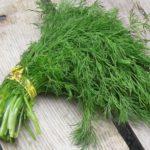
Dill is a common garden plant, known for its spicy aroma and ease of care. There's probably not a single garden or dacha plot where this spice isn't planted. Dill's chemical composition is diverse: riboflavin, acids (ascorbic, nicotinic, oleic), and many other beneficial elements, including essential oil. This is why dill is so beloved by gardeners who know the various ways to sow it. Let's take a look. planting dill varieties before winter in the Leningrad region.
Advantages of winter sowing
- Early shoots.
- Quick harvest.
- Possibility of replanting and harvesting several crops per season.
- Frost and pest resistant seedlings.
- You can save time during spring gardening work.
What are zoned varieties?
Regionalized greens are those varieties that thrive best in a given region. They possess the most valuable qualities and increased yields. Furthermore, these varieties are characterized by increased resistance to climate conditions, local pests, and diseases.
Zoned varieties are included in the State Register of Breeding Achievements to ensure food security. These varieties are approved for use and cultivation.
Varieties for the Leningrad Region
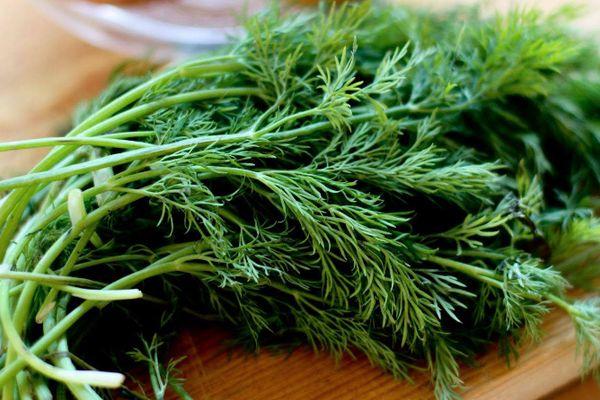
As is well known, the region's climate is quite capricious, and not every type of dill will thrive there. Currently, Kibray and Gribovsky are recognized as the best varieties for the Leningrad Region. Let's describe their characteristic features.
Gribovsky
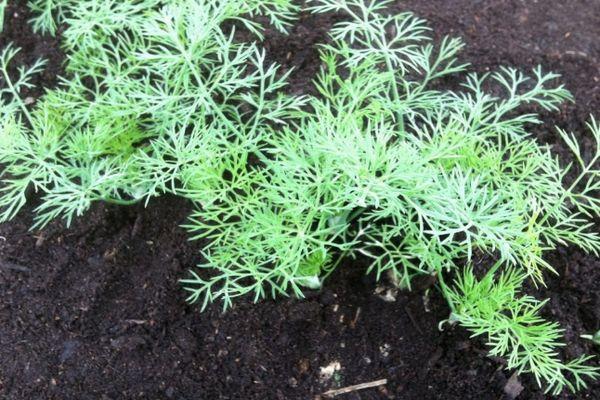
This species is one of the most widespread and well-known. It has gained popularity for its frost resistance, early yield, and disease resistance. The bush grows to a height of approximately 25-30 centimeters. The bush consists of rosettes with several leaflets. The leaves are up to 20 centimeters long and about 15 centimeters wide.
It's recommended to grow this variety in a greenhouse, but it can also be grown outdoors. Many even grow these greens on balconies.
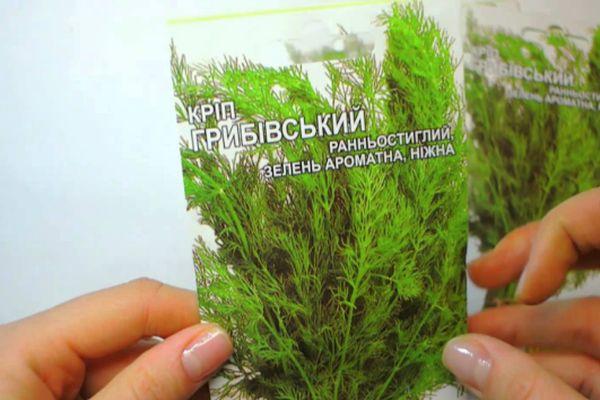
The greens take up to 45 days to mature. Sowing can begin as early as April. With a good yield and proper greenhouse care, a single bush can yield up to 70 grams of greens.

Kibray
Kibray is common in the Leningrad Region and is also a favorite among local gardeners. It's considered a late-ripening variety, ripening within two months. It features large green leaves up to 45 cm tall. It's renowned for its high yield, with a single bush capable of yielding at least 65 grams.
How to plant dill in winter
Winter planting usually begins in the fall (preferably in October), before severe frosts hit. It's a good idea to fertilize the soil before planting. You can use either mineral or organic fertilizer. This will ensure higher-quality, healthier plants.
Conditions for sowing:
- the temperature at night should not be below -3 WITH;
- daily range from 0 to +3 WITH;
By the way, dill shoots They can withstand frosts down to -4 degrees, and the seeds can begin to germinate at a temperature of +3.
Features for the Leningrad Region
Seed preparation
Before planting, soak the seeds in warm water for 2-4 days. It's helpful to add a little wood ash (up to 20 g) to the water. After soaking, dry the seeds in the sun.
How to plant
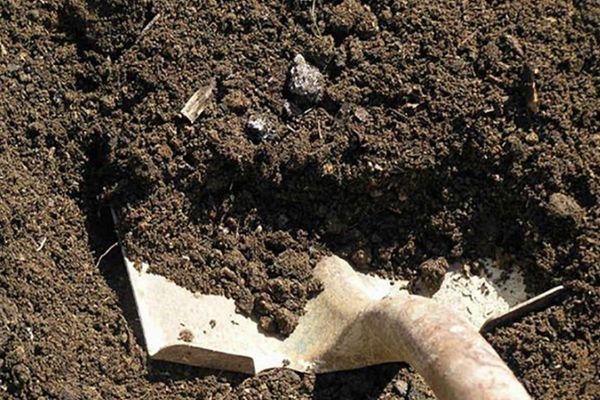
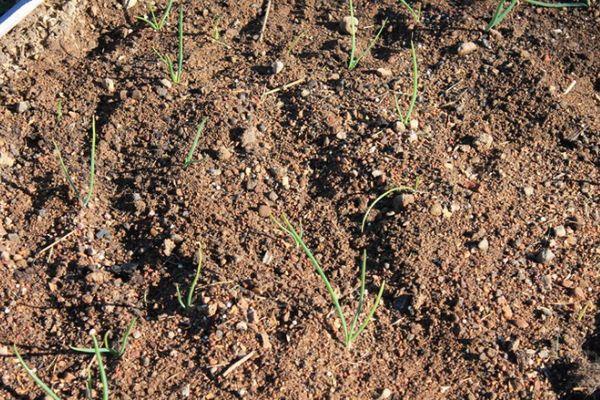
The bed is dug over, large clods of soil are broken up, and fertilized. Furrows are then formed (from north to south), the depth of which should be slightly greater than when planting in the spring. The distance between rows should be up to 20 cm to prevent the plants from shading each other. Seeds are placed in the furrows and covered with soil (preferably humus, peat, or compost). Watering is not recommended.
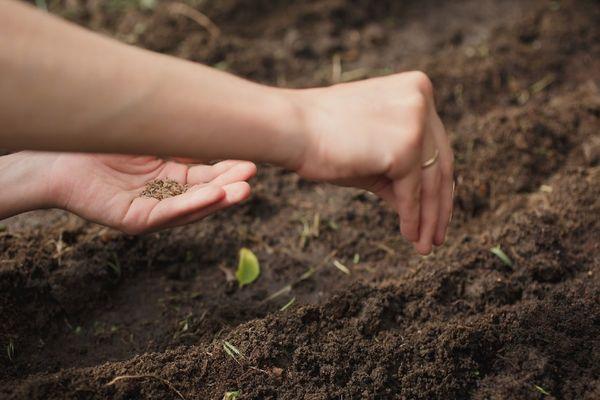
To prevent a crust from forming on the surface, the bed is sprinkled with mulch; this will also retain heat and moisture.
How to care
Watering
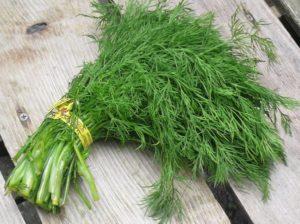
As soon as the first shoots appear, it's important to water the plants regularly—at least once a day, and more often during hot summer periods.
Take a look Also
Top dressing
Fertilizing the soil is a crucial component for achieving a high yield. Therefore, it's best not to be lazy and try to feed your greens at least twice during the growing season. Cow manure and chicken manure are popular options. Mix one part manure with six parts water. For chicken manure, the ratio is 1 part to 20 parts water. Mineral supplements can also be added at a rate of 1 tablespoon per 10 liters of water.
Weeding
Every weed is a sure thing for the harvest. To ensure your dill grows beautifully and nutritiously, you'll need to weed regularly. Weeding and loosening the soil once a week is recommended to prevent unwanted plants from growing.
Shelter from the heat
Sweltering summer days are common in the Leningrad region. To prevent the emerging dill from being scorched by the sun or wilted by the hot air, it's necessary to create shade using tension curtains.
Pest control
Harmful insects can be repelled by sprinkling the soil with tobacco dust mixed with sand in a 1:1 ratio.
Disease prevention
Crop rotation is beneficial, meaning planting dill in different locations each year. Typically, varieties common in a region are disease-resistant, so it's best to use them rather than experimenting with other types of herbs.
Collection and storage
Dill typically takes about 40 days to mature. Young plants, about 5 cm tall, are best for eating. You can harvest the entire crop at once if you plan to replant, or prune the plants gradually as they grow. The dill is then dried or frozen. Frozen dill is believed to be more flavorful and better preserves all its properties.
Related posts:
 Description of the best dill varieties for open ground and for greens, what the plant looks like
 Characteristics and description of the Alligator dill variety
 How to choose the best dill varieties for growing greens without umbrellas in open ground and greenhouses
 The best recipes for preparing and storing dill for the winter at home
 Recipes for pickling fresh dill for the winter at home in jars, proportions, and storage
 How to keep dill fresh for the winter at home, the best ways
 How to freeze dill in the refrigerator for the winter: the best recipes
 Description and rules for growing dill of the Gribovsky variety
