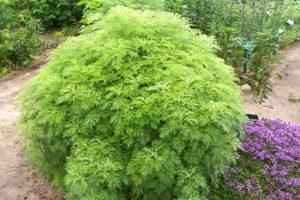
It's hard to imagine a modern kitchen without dill. A sprig of fresh herbs is always welcome, enhancing the flavor and enhancing any culinary masterpiece. Marinades, salads, and first and second courses are incomplete without dill. Planting dill before winter allows you to harvest fresh herbs at the very beginning of spring, when the body especially needs vitamins, and it's also a way to get several harvests per season.
Dill varieties for autumn sowing
There are early-ripening, mid-season, and late-ripening varieties. Early-ripening plants are best for winter sowing. They quickly produce fresh greens, and when sown in the fall, the vibrant, aromatic seasoning will appear on the table two weeks earlier than when planted in the spring.
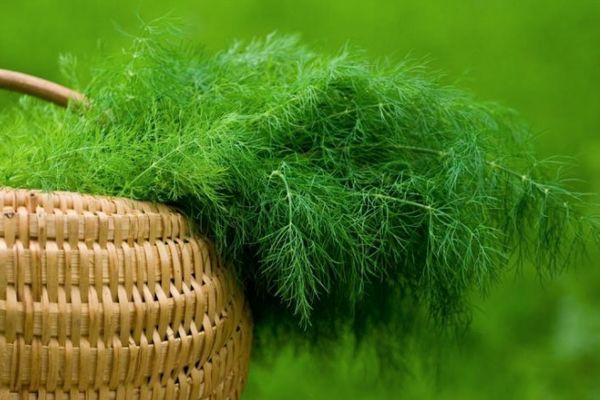
Important: Early-ripening varieties bloom very quickly, and their seeds and umbels are used for preserving. To ensure fresh greens from early spring to late fall, it's best to create several small beds with different planting and development times.
Popular varieties among gardeners include: Grenader, Gribovsky, Samotsvet, Aurora, Ranee Chudo, Vologda Lace, and Umbrella. Plants sown in the fall are generally more tolerant of temperature fluctuations and disease. Dill easily tolerates temperatures down to -4°C.
Early-ripening varieties only need 35 days to delight homeowners with an abundance of fresh greenery. The first shoots appear two weeks after the soil warms and the weather improves, which usually occurs in mid-April.
When is the best time to sow dill: in autumn or spring?
This depends on the owner's preferences. To ensure fresh greenery appears soon after warm weather sets in, it's best to plant in the fall. However, keep in mind that severe frosts, coupled with unstable April weather, can destroy the plants.
Many gardeners self-seed dill seeds, which allows them to grow greens with virtually no effort.
Timing of winter planting
When planting dill in the fall, timing depends on the region where you live. Sow the seeds when temperatures reach a stable temperature of between 3°C and 0°C.
Take a look Also
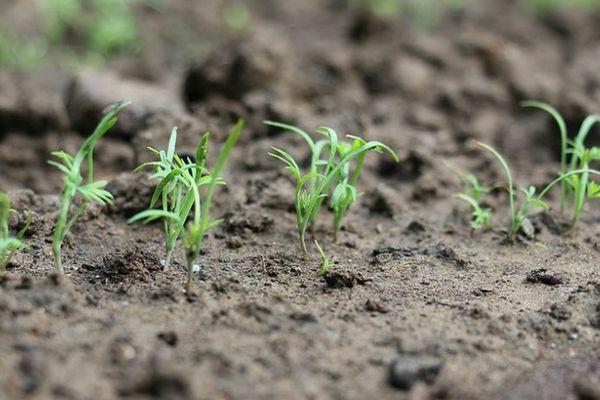
If the weather is warmer, there's a good chance the seeds will germinate and be killed by the subsequent cold snap. In that case, there won't be any early spring greens on the table.
In most regions, plant seeds are sown in November. This cold, pre-winter month is ideal for allowing the seeds, placed outdoors, to safely await the warmth of spring.
Seed preparation
When planting in the fall, no seed preparation is required. Simply select the appropriate variety. Planting material used in the fall should not be pre-soaked. In this case, dry seeds should be sown in dry soil, in previously prepared and fertilized beds. Avoid watering the soil after planting the seeds in the fall, otherwise they will die in the cold.
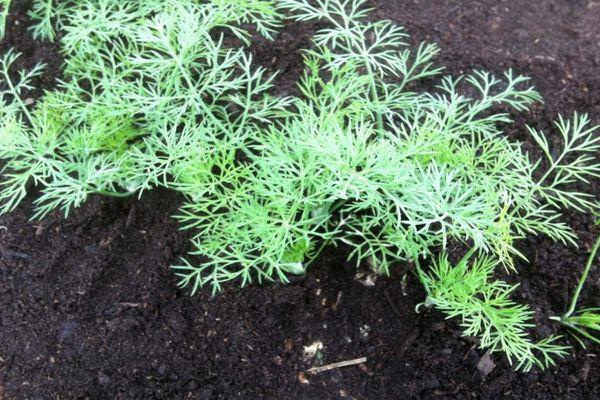
Preparing the beds
To ensure dill sown in the fall sprouts evenly and yields a good harvest, several conditions must be met:
- Choose a sunny or partially shaded area with light soil for the bed. The plant dislikes shade and high soil moisture.
- It does well in a spot previously used for tomatoes, beans, and cabbage. Dill doesn't tolerate proximity to carrots and celery. Avoid planting it near fennel, as this will cause cross-pollination, significantly altering the flavor of each plant.
- Organic fertilizers are added to the open ground at a rate of 5 kilograms per square meter of area, and the soil is dug up.
- The plant prefers neutral soils. In alkaline soils, the foliage takes on a reddish tint; in acidic soils, it turns yellow.
After preparing the bed, you can cover it with cardboard or agrotextile; this will keep the soil light and prevent weeds from growing and compacting the soil.
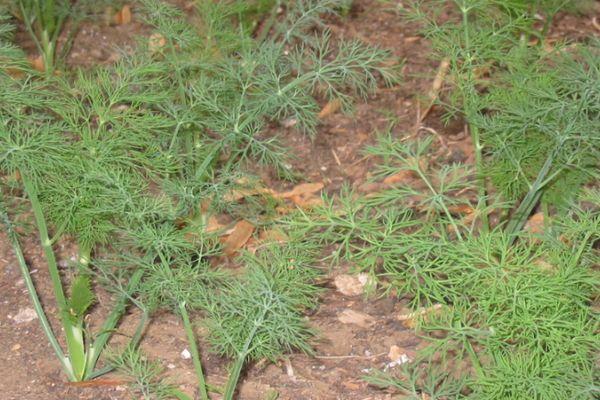
Landing
Sow seeds before winter in pre-prepared beds. The consumption of planting material increases by 25% when planting before winter. Plants should be planted when temperatures reach between 3°C and 0°C. In most Russian regions, this is early November. In such weather, the seeds are guaranteed not to germinate until spring.
Planting takes place after the first frost. In the fall, the planting material should not be soaked. The soil in the bed should also remain dry during fall planting. Do not water it after the seeds have been planted.
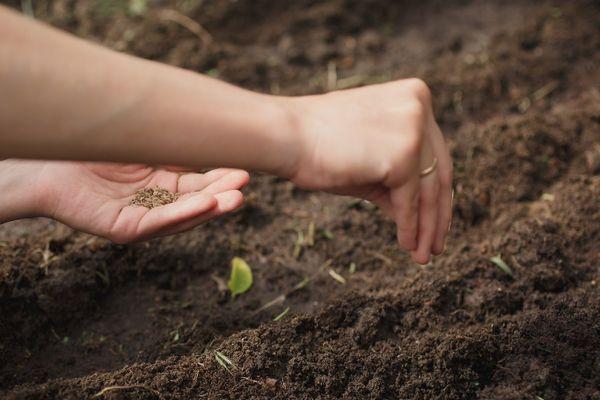
The distance between rows in beds for early varieties is 10-15 centimeters, and approximately 2 grams of seeds are used per 1 square meter of area. In the fall, seeds should be planted 1-1.5 centimeters deeper than in the spring to protect them from freezing.
After planting, the bed is mulched with straw, compost, or sawdust. If the first snow has fallen during planting, rake it away from the bed and return it to its original location after planting.
Care
Plants don't require additional fertilization in the spring; the nutrients added to the soil in the fall during bed preparation are sufficient. This only applies to early varieties planted in the fall. Weed the bed and thin out the bushes as needed. This will result in stronger, bushier plants with lush, aromatic foliage.
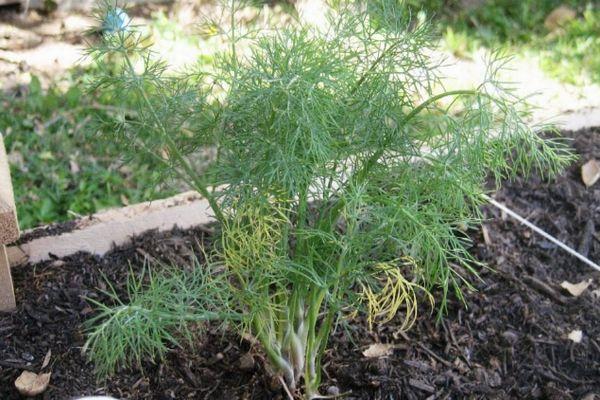
Since they prefer breathable, light soil, it's necessary to loosen the space between the rows after the seedlings emerge. Water the plants 1-2 times a week, avoiding overwatering or overdrying. If the fall planting was done correctly, the garden bed will be green as early as mid-April when warm weather sets in.
Harvesting
When green leaves appear, they are torn off by hand or cut off with scissors.
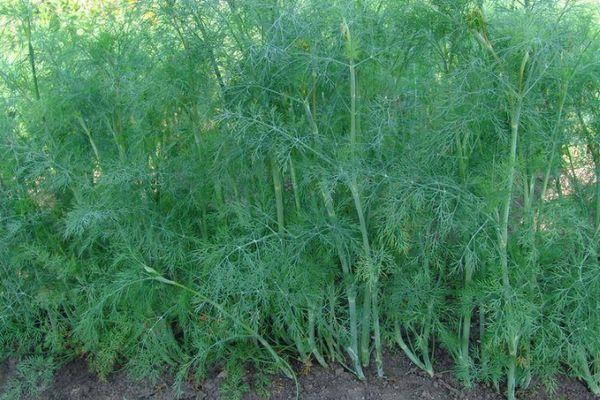
So that in case of planting early ripening varieties of dill The first harvest was large, and it was ready after just 35 days. It is harvested in the morning, after the dew has disappeared. Dill is delicious fresh or dried. Many housewives prefer to store it sprinkled with salt. However, early-ripening varieties are usually not stored for long periods; in April and May, the vitamin-rich first greens are eagerly eaten fresh.
Related posts:
 Is it possible to soak treated cucumber seeds before planting and how to do it correctly?
 The best eggplant varieties for growing in a polycarbonate greenhouse: planting and care
 How to properly plant peas in a greenhouse and open ground
 Carrot care guidelines for outdoor cultivation to ensure a good harvest
 How to propagate and grow peas, cultivation technology, and care in open ground
 Timing and rules for planting carrots in winter, which variety is best to choose
 Causes and treatment of eggplant pests and diseases, how to combat them at home
 Methods for planting and propagating cherries at home