
- Why does dill turn yellow, red, or grey?
- Dill diseases
- Peronosporosis
- Powdery mildew
- Fomoz
- Verticillium wilt
- Cercospora leaf spot
- Blackleg
- Fusarium wilt
- Pests
- Umbrella blinds
- Striped shield bug or Italian bug
- Aphids (Latin: Aphidoidea)
- Carrot psyllid (Latin: Psyllidae)
- Dill moth
- Carrot fly
- Caterpillar
- Prevention and treatment of diseases
- Fertilizers to prevent yellowing and drying of dill
- Why does dill taste bitter?
Dill typically grows in the garden as a weed, without much effort on the part of the gardener. Attention is focused on more demanding crops. But this can lead to a situation where the dill harvest is lost, leaving no substitute, even though it's used in almost all marinades. Therefore, dill diseases are an important issue, and their control should begin with prevention.
Why does dill turn yellow, red, or grey?
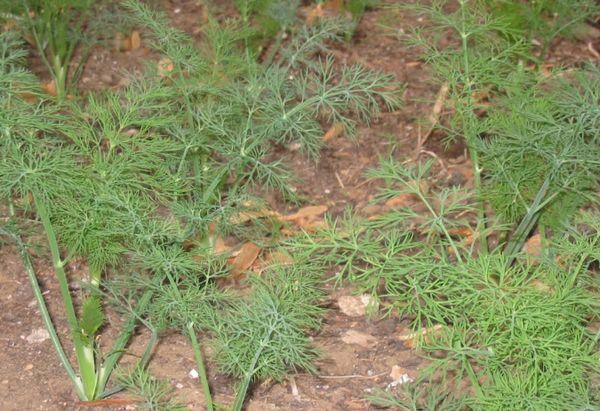
Noticing strange changes in the shoots in their garden, the owner begins to wonder why the dill is turning red and what to do now. Another, no less dangerous, situation is when dill turns yellow or gray. Let's try to figure out the best course of action when faced with such problems.
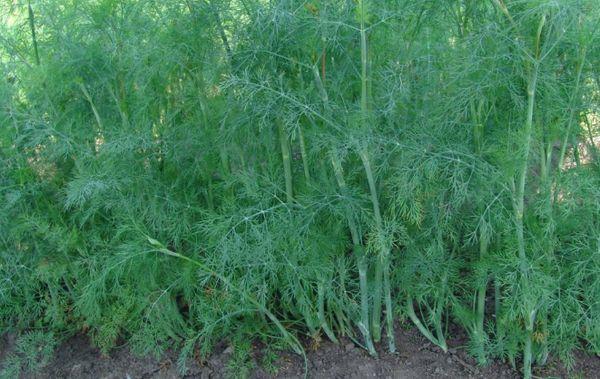
Yellow color indicates a lack or excess of water. To determine why dill is turning red, you need to check the soil pH where it's planted. Gray color almost always indicates a fungal infection. Fungus is the most common and difficult problem for plantings.
Dill diseases
Dill diseases are primarily fungal in nature and caused by the spread of harmful microflora on the plants. The consequences of poor soil cultivation are also worth mentioning.
Important! Insufficient soil aeration, lack of fresh air in greenhouses, overwatering, or excessive mineralization can all contribute to disease development.
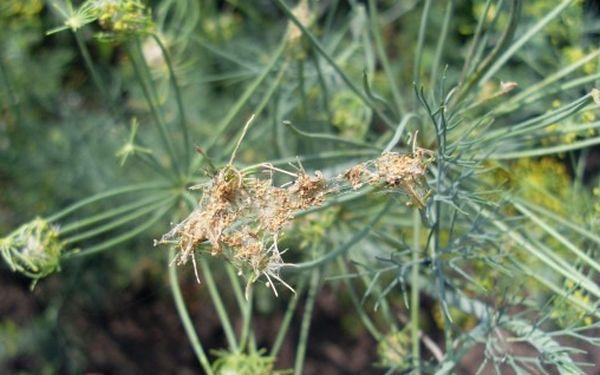
Peronosporosis
Downy mildew is detected by the appearance of chlorotic spots on the leaves. The spots first turn yellow, then brown, and develop into a grayish coating on the underside of the leaf.
Control of downy mildew begins with seed preparation. Before planting, warm the seeds to 50°C and then rinse with cool water. As a preventative measure, it's recommended to remove last year's plants, or better yet, burn them and fertilize the soil with ash. At the first signs of downy mildew on the leaves, they can be sprayed with Bordeaux mixture. This effective remedy has a very simple recipe:
- 100 grams of lime.
- 10 grams of copper sulfate.
- 10 liters of water.

Powdery mildew
Powdery mildew is a white coating on the leaves and stems of dill caused by a specific fungus. This infection is typical in dill grown under plastic or in poorly ventilated areas.
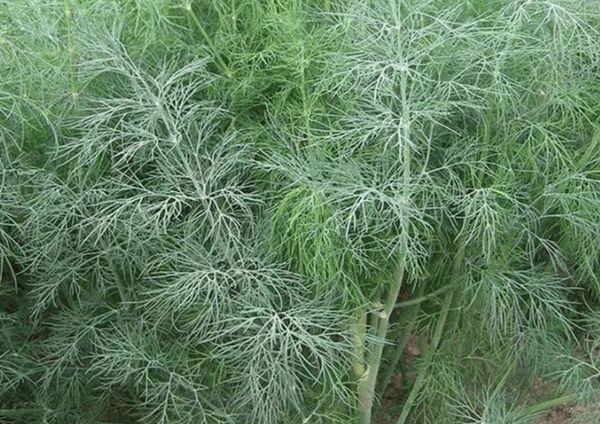
Once the plant turns white, it loses its flavor and aroma and is no longer suitable for consumption. In addition to standard preventative measures, spraying with potassium permanganate or antibiotics is also used to control the disease.
Fomoz
Phoma leaf spot is a disease caused by the fungus Phoma Anetti Sacc. All parts of the plant are affected, and the lesions appear as long, dark spots with black specks. The disease also destroys seed germination. The fungus spreads through the air from other nearby umbelliferous plants or from unharvested remains of the previous year's crop.
Verticillium wilt
Verticillium wilt is also caused by the fungus Verticillium dahlia. It is most often spread through soil and insect vectors. When the mycelium germinates, it blocks the plant's blood vessels, causing the dill to turn yellow in the sun and then die completely.
Cercospora leaf spot
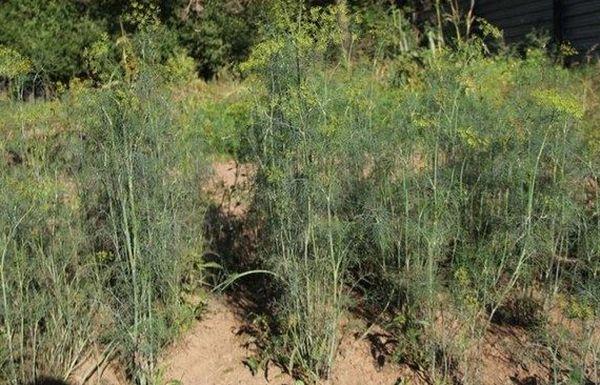
Cercospora leaf spot is a precursor to leaf spot, characterized by white spots that gradually become lighter. The disease is transmitted by poorly treated seeds, previous year's shoots, and parasitic insects.
Blackleg
Blackleg is a very common disease. It is characterized by widespread damage to plants planted in the same area. It is seed-borne but is caused by improper care:
- insufficient soil loosening;
- overwatering;
- too tight fit;
- excess of nitrogen fertilizers.
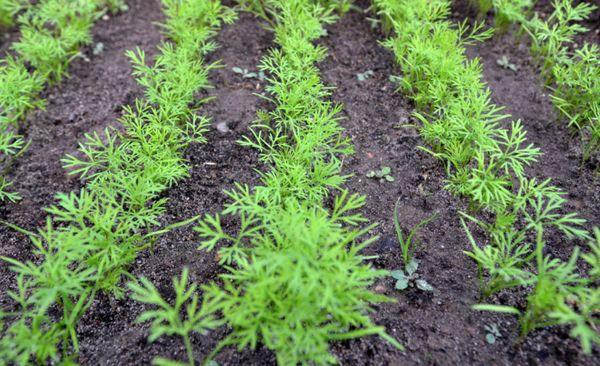
As the disease progresses, the root stalk of young plants softens and dies. Eventually, the entire plant dies.
Fusarium wilt
Fusarium wilt is caused by another fungus. The plant gradually turns from green to brown, from the lower petals to the upper ones, and dies completely. Risk factors include overwatering and overheating.
Pests
Pests are the second danger factor for dill plantingsA wide variety of insects are ready to pounce on plants. Pest control should begin in the spring—when insects are just beginning to emerge from their winter shelters and have not yet laid eggs. The earlier you begin treating your plot, the fewer problems you'll have during the season.
Umbrella blinds
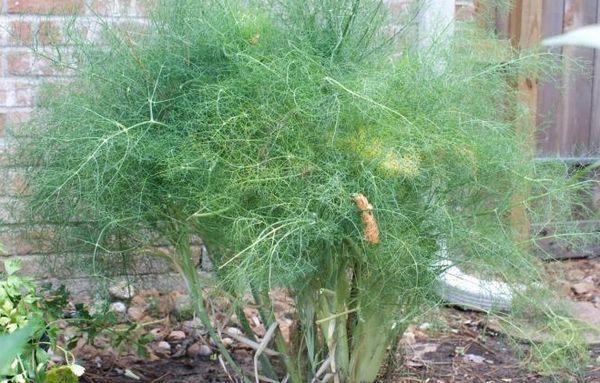
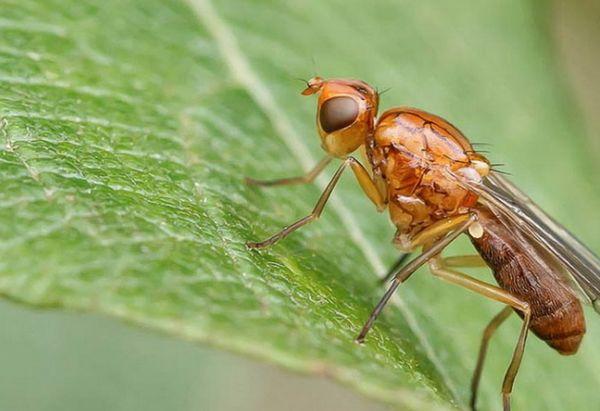
A very common pest, it overwinters in last year's grass. In the spring, these tiny bugs emerge and begin sucking the sap from the young shoots of umbelliferous plants. After dill is attacked by the insects, it begins to branch, and seeds either fail to form at all or only in small numbers.
Striped shield bug or Italian bug
This pest attacks all plants, including dill. After damaging the plant, it usually dies, which is why it is so dangerous. It overwinters under the leaves and emerges when the average daily temperature exceeds 10°C. One to two generations of insects can develop per year.
Aphids (Latin: Aphidoidea)
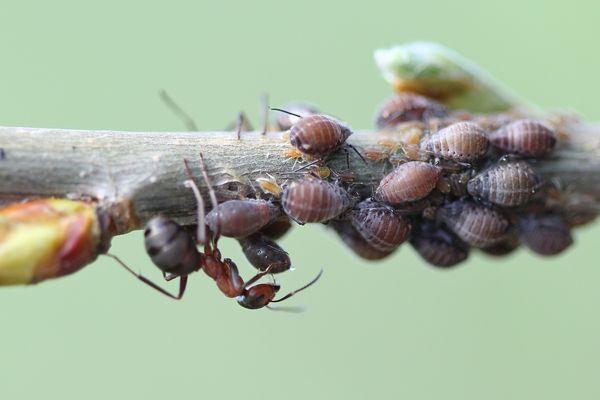
These well-known green bugs often appear on dill. They not only eat the leaves but also carry diseases, so it's important to get rid of them as quickly as possible. They eat the leaves at an incredible rate.
Carrot psyllid (Latin: Psyllidae)
A small green fly that overwinters on coniferous trees, and in the spring begins sucking sap and laying eggs in young shoots. When it lands on the plant, it releases a toxin that causes the leaves to change shape (curly).
Dill moth
The moths emerge in early May and lay eggs in the seed heads of carrots, celery, parsley, and dill. The larvae consume the plant, forming a thin web and destroying the seeds.
Carrot fly
Fly larvae damage plant roots, leading to developmental defects or death. The main reason for the appearance of these pests is the constant lack of rotation of crops grown in the same area.
Caterpillar
A wide variety of caterpillars eat plant leaves, not only preventing them from developing fully but also transmitting fungal diseases. While butterflies are wonderful, caterpillars are a real scourge for gardeners.
Prevention and treatment of diseases
The most effective treatment is prevention. Harvest control will be greatly simplified if you follow a few gardening guidelines:
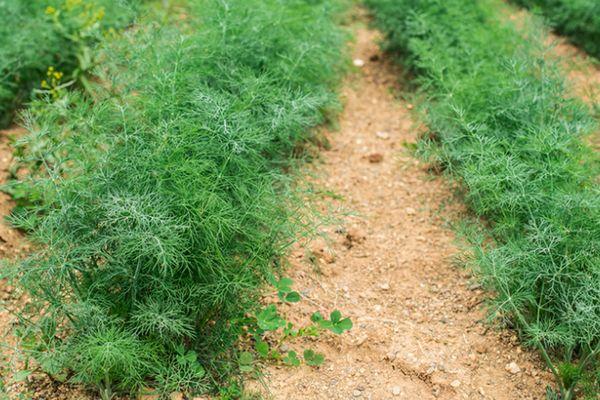
- plant dill in a new place every year;
- in autumn, dig up the beds deeply;
- destroy last year's tops and leaves, preferably by burning;
- destroy wild-growing umbrella plants, such as hogweed, in the area around the site;
- control the level of moisture in the beds, preventing overwatering;
- do not plant too frequently;
- Disinfect seeds before planting using a solution of potassium permanganate.
If the plantings are affected, you can spray them with one of the suitable compounds, but it is best to give preference to organic solutions:
- infusion of citrus peels (100 grams of peels per liter of water, infused for three days);
- infusion of onions and garlic (200 grams per liter of water);
- laundry soap dissolved in water (200 grams per 10 liters);
- tobacco infusion (50 grams per liter);
- diluted ash (50 grams per liter).
If nothing helps, you can resort to special fungicides, copper oxychloride, or Bordeaux mixture.
Fertilizers to prevent yellowing and drying of dill
Fertilizers can help if the soil in your area is depleted or wasn't initially fertile. Fertilizers used include:
Organic fertilizers:
- river silt;
- peat;
- manure.
Such fertilizers must be left to sit for about a year before being applied to the soil, otherwise their application will only cause harm.
Inorganic fertilizers:
- saltpeter;
- urea;
- ammonia water;
- anhydrous ammonia.
Each fertilizer requires precise application rates. The required amount can be determined either through trial and error or by submitting a soil sample to an agricultural laboratory to determine the optimal ratio.
Why does dill taste bitter?
The taste of dill can be affected by:
- fungal infection;
- plant damage and growth disturbance;
- lack of sunlight;
- soil features.
Therefore, it is important to monitor the condition of plants and, at the first signs of disease, take measures to save the plant.
Dill is an unpretentious plant, but you should still remember the rules for growing garden crops.
Then you can fully enjoy the aroma and taste of dill with sour cream or hot potatoes.
Related posts:
 How to choose the best dill varieties for growing greens without umbrellas in open ground and greenhouses
 Recipes for pickling fresh dill for the winter at home in jars, proportions, and storage
 Description of the best dill varieties for open ground and for greens, what the plant looks like
 Growing bush dill for greens, describing its varieties, and harvesting
 Characteristics and description of the Alligator dill variety
 Basic rules for growing and caring for dill: how many days it takes for it to sprout, how it grows, and when it ripens into greens
 Medicinal properties and contraindications of dried and fresh dill, its use in folk medicine
 The best recipes for preparing and storing dill for the winter at home