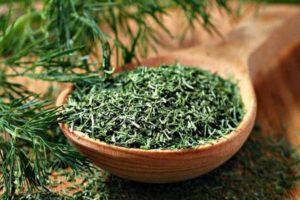
Dill is a spicy, umbelliferous plant commonly used as a seasoning. It's hard to imagine vegetable salads without it; it enhances the flavor and garnishes first and second courses. There are many varieties of this plant, differing in growth rate, flavor, and pest and disease resistance. Salute dill is a late-ripening variety with aromatic foliage and a high yield.
Description of the variety
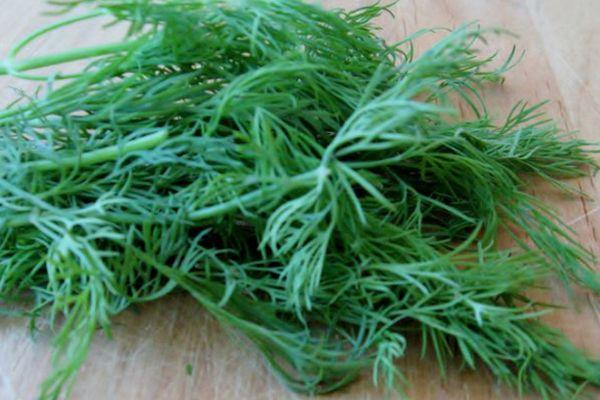
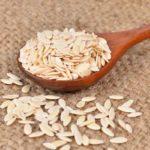
Salute was developed by Russian breeders in the 1990s and is suitable for greenhouse and open-field cultivation, as well as commercial sown. It is a bush variety with dense, dark foliage, reaching a height of approximately 50 centimeters and 1.2-1.5 meters during flowering. It forms a robust rosette with 20-30 vertically arranged leaves, moderately covered with a waxy coating. It produces flat, round, aromatic, light-brown seeds.
The petioles are up to 16 centimeters long, and the leaves are large. The plant has a light green stem with dark stripes. Salute rarely bolts or yellows, and one plant produces about 100 grams of greens. The harvest is done in several stages (3-4), yielding 3-4 kilograms of fresh greens per square meter. This variety is suitable for fresh consumption, retains its flavor when dried, and is also suitable for canning.
Growing
Dill is an unpretentious crop, but in order for the plant to yield a rewarding harvest, it needs to be provided with high-quality care.
Sowing dates
Late-ripening varieties, including Salute, are sown in May, with a second planting in August-September. It is a plant that produces two harvests per season. Late-ripening varieties are not suitable for winter sowing.
One and a half months after the first shoots appear, Salute can already be cut for greenery.
Soil preparation
The plant prefers sunny sites with light, neutral soil. It doesn't tolerate proximity to celery, and it shouldn't be planted near fennel due to the risk of cross-pollination.

In the fall, dill beds are dug deeply and organic fertilizer is added. Apply 3.5 kilograms of manure or 5 kilograms of compost per square meter. The greens will not grow well in areas with high soil moisture.
Seed preparation
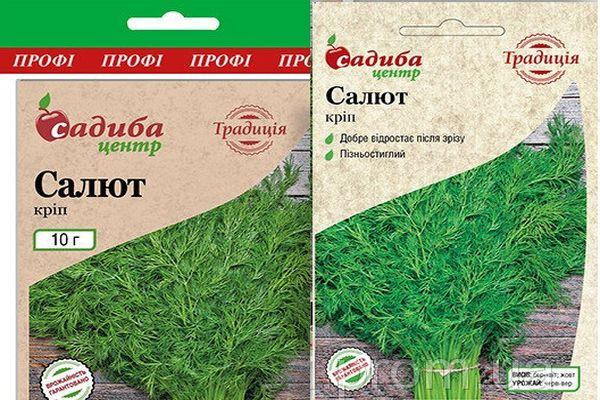
The high essential oil content of dill seeds inhibits germination; to ensure rapid, uniform germination, soak the seeds first. There are several ways to prepare the seeds before sowing:
- The selected seeds are washed in water (27-30°C), and any that float to the surface are removed. The seeds are then tied in cheesecloth and soaked in water for about two days. The water is changed every 4-6 hours. Gardeners say that melted snow or spring water is best for soaking.
- The seeds are thoroughly washed with warm water, then soaked for 4-6 hours, after which the water is drained, and the seeds are soaked in a saturated solution of potassium permanganate for another 3-4 hours.
- The seeds are washed and soaked in a solution of growth stimulants (Humate, Zircon, Epin), in accordance with the manufacturer's recommendations.
- Soaking seeds in a wood ash solution enriches them with microelements and improves germination. Add 2 tablespoons of ash to a liter of water, and strain the infusion after 2 days. After filtering, soak the seeds in the prepared mineral solution.
After soaking, the seeds are dried and used for sowing. Salute is not sown before winter, so it is usually not sown without soaking.
Sowing
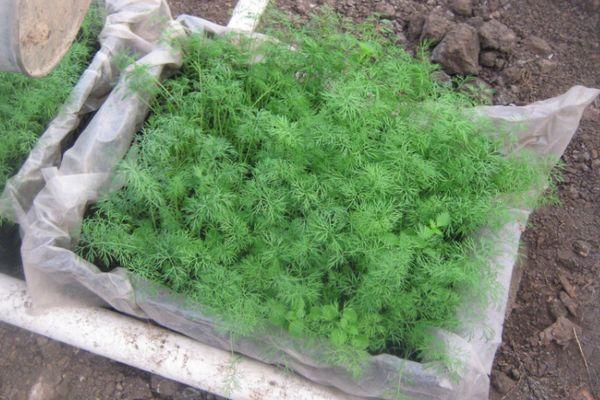
The soil in the bed is loosened thoroughly, and furrows 2 centimeters deep and 20 centimeters apart are created using a stake. The furrows are watered and pre-prepared seeds are sown. The planting rate is 1 gram of seeds per square meter of area. Since Salute is a bush variety, it is not sown in a carpet pattern.
Care Features
Dill needs thinning. Soon after the seedlings emerge, thin the bed to ensure fresh herbs are ready for the table.

Weeding
Weed the dill as weeds appear. Weeds hinder the growth of the plants and rob the soil of essential micronutrients. Since dill grows best in light soil, the soil in the bed should be loosened periodically.
Watering
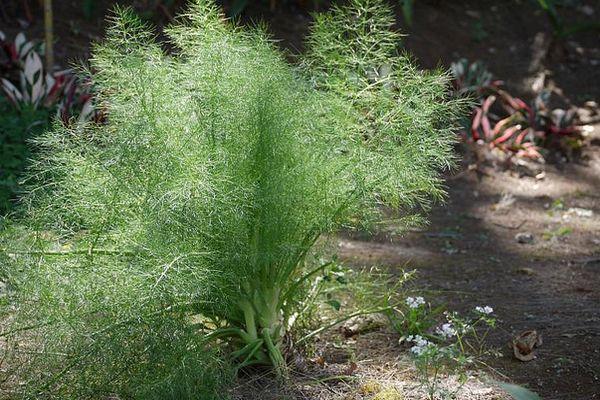
Water the dill It needs water, but it doesn't like over-watered soil. Water when the soil starts to dry out; once a week is sufficient.
Top dressing
If fertilizer was applied to the dill bed in the fall, you can get by without additional feeding. However, if the plant is growing slowly, you can apply a root dressing using mullein and urea. Use one teaspoon of urea and half a liter of mullein per 10 liters of water.
Advantages and disadvantages
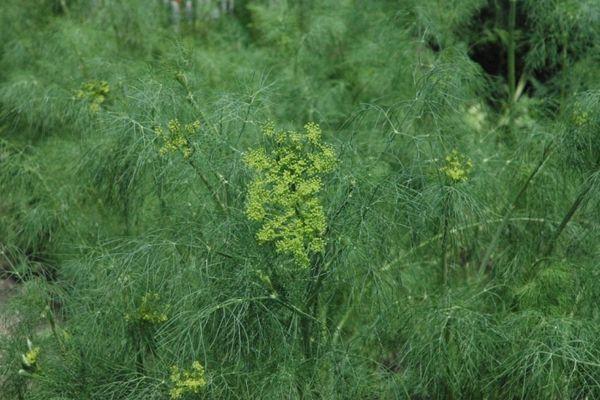
When planted too densely, plants of this variety begin to rot, but this happens more often when grown in greenhouses.
Pests and diseases
Diseases can be avoided by practicing proper crop rotation. Dill doesn't like being planted next to carrots and celery. Dill is not susceptible to diseases. With proper planting location and timely soil loosening, soaking seeds makes them more resistant to pests and diseases.
Plants are treated with a potassium permanganate solution three to four times per season. Pests are removed by hand, and regular weeding and soil loosening reduce the risk of infestation. Plants affected by pests and diseases are best destroyed. Dill is not treated with fungicides, as it is consumed as food without prior cooking.
Harvesting and storage
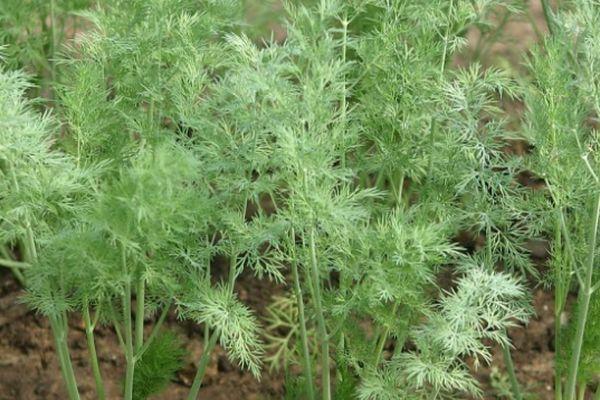
Dill is harvested 45-55 days after germination. The greens are used fresh, chopped, and dried in the shade, then pickled. Dill umbels are used to make marinades. Store in dry, cool, well-ventilated areas.
Salute dill is a productive variety that is resistant to pests and diseases. Over decades of cultivation, it has earned a loyal following among gardeners and farm owners.
Related posts:
 Description of the best dill varieties for open ground and for greens, what the plant looks like
 Characteristics and description of the Alligator dill variety
 How to choose the best dill varieties for growing greens without umbrellas in open ground and greenhouses
 Description of the Salute tomato and cultivation techniques for the variety
 Description and rules for growing dill of the Gribovsky variety
 How to properly plant dill in open ground and a greenhouse: secrets of agricultural technology
 Recipes for pickling fresh dill for the winter at home in jars, proportions, and storage
 Is it possible to soak treated cucumber seeds before planting and how to do it correctly?